

Tesla says it will start selling Cybercabs by end of year
Tesla announced plans to sell its autonomous, steering-wheel-free Cybercab by the end of 2026, amid an ongoing federal safety investigation.

Stock photo for illustration only, not from the actual event
- Tesla plans to begin selling its autonomous Cybercab by the end of 2026.
- The gold-hued vehicle features two seats and lacks a steering wheel or pedals.
- NHTSA has launched an official investigation into the vehicle's safety compliance.
- An unsupervised version of Full Self-Driving is slated for Q2 of next year.
Tesla announced on Wednesday that it plans to start selling its Cybercab to customers by the end of the year, even as federal regulators investigate whether the autonomous vehicle meets established vehicle safety standards. The gold-colored, autonomous two-seater is notably designed without a steering wheel or other traditional manual controls.
The electric vehicle maker first floated the concept of selling the autonomous vehicle to third parties last month during its Cybercab event held in Austin, alongside an online interest form for potential robotaxi buyers. However, it remained unclear at the time whether Tesla would follow through with the commercialization or how the sales process would be structured.
This strategic shift highlights Tesla's push to directly commercialize dedicated autonomous fleets by selling purpose-built vehicles to third-party operators, rather than relying solely on software updates for consumer-owned vehicles. While this approach could accelerate robotaxi deployment, it also places the company on a direct collision course with evolving federal regulations and safety oversight.
Tesla CEO Elon Musk has spoken for years about establishing a massive fleet of low-cost robotaxis. Until recently, those plans primarily centered on converting privately owned Tesla vehicles into self-driving taxis via over-the-air software updates, though that broader vision has taken longer to materialize than originally anticipated.
Currently, vehicle owners can subscribe to Full Self-Driving (Supervised), an advanced driver-assistance system that automates many navigation tasks while still requiring a human driver to remain attentive and ready to take over. Although Tesla routinely pushes software updates to enhance the system, active human supervision remains mandatory.
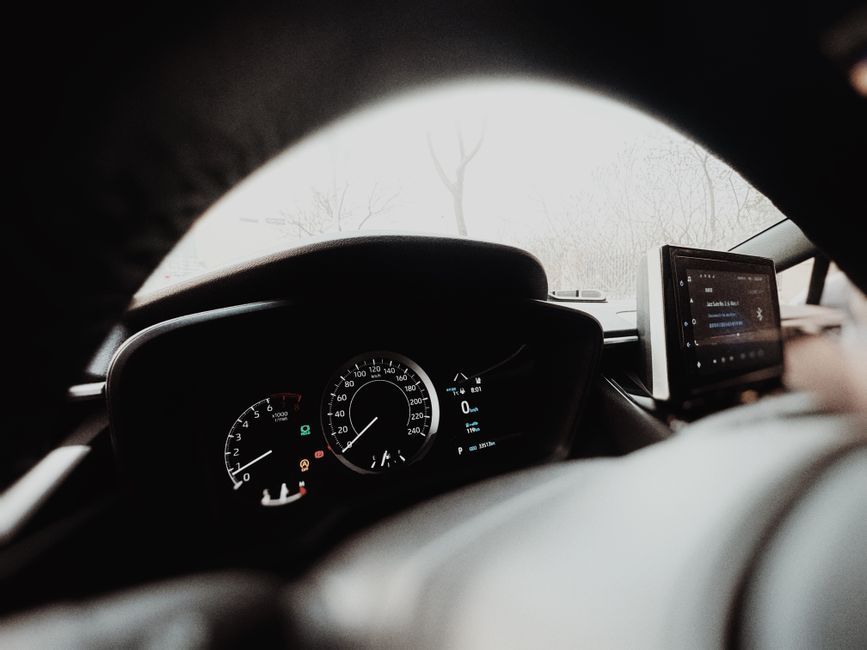
Stock photo for illustration only, not from the actual event
Musk stated on Wednesday that an unsupervised version of FSD would be rolled out to customers in the second quarter of next year, marking yet another timeline shift for owners who purchased or subscribed to the software years ago. If both targets are met, third-party fleet customers could purchase the Cybercab and operate it as a robotaxi service before individual Tesla owners gain access to equivalent autonomous capabilities in their personal cars.
Nevertheless, a significant regulatory hurdle threatens to disrupt these fleet deployment plans. The National Highway Traffic Safety Administration announced last month that it had opened an official investigation into the Cybercab, just hours after the vehicles commenced operations on public streets in Austin.
"examiner the process and technical data on which Tesla relied when certifying the Cybercab and related issues."
NHTSA
Federal Motor Vehicle Safety Standards mandate manual controls such as brake pedals, rearview mirrors, and side mirrors. Traditionally, automakers self-certify their compliance with these regulations, a practice Tesla followed for the Cybercab, despite current rules not officially accommodating vehicles lacking manual controls.
While the Department of Transportation has recently proposed removing those requirements for dedicated autonomous vehicles, NHTSA intends to thoroughly examine the technical data and certification processes relied upon by Tesla. The eventual outcome of this federal inquiry could ultimately determine whether Tesla or any third-party operator can legally deploy the Cybercab on public roads.
Source: TechCrunch
Found something wrong in this article? Report an issue with this article
Comments
Leave a Comment