

Tesla targets Q2 2027 to let customers add cars to its robotaxi network
Tesla sets a Q2 2027 goal for customer-owned robotaxis while reporting that over 75 percent of new buyers chose Full Self-Driving in North America.

Stock photo for illustration only, not from the actual event
- Tesla targets Q2 2027 for customer cars to join its robotaxi fleet
- VP Ashok Elluswamy states V15 software will unify Cybercab and Model Y
- Over 75 percent of new North American buyers opted for FSD this quarter
- Company faces strict regulatory hurdles and a history of missed deadlines
Tesla has officially established a new timeline during its third-quarter earnings call, announcing plans to allow vehicle owners to opt their cars into its autonomous robotaxi network by the second quarter of 2027. This marks the first concrete timeframe provided by the automaker for a promise that has been discussed for years.
According to Ashok Elluswamy, Tesla’s VP for Autonomous Driving, the software powering Cybercabs and the Model Y is identical. The company intends to release this software to customers as part of the upcoming V15 rollout. The primary requirement is ensuring that a customer’s Model Y can operate within Tesla's designated geofences and fleet management systems to achieve full autonomy.
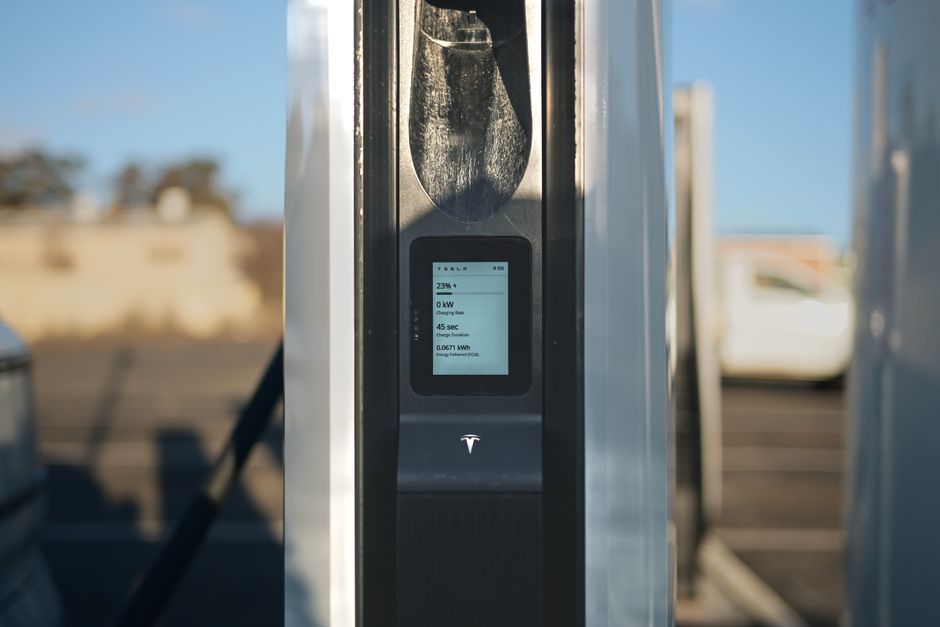
Stock photo for illustration only, not from the actual event
"We suspect somewhere around Q2 next year is when we can turn on some of the first customer vehicles to be part of the robotaxi fleet."
Ashok Elluswamy, VP for Autonomous Driving at Tesla
It remains crucial to approach this deadline with caution given CEO Elon Musk’s established pattern of setting ambitious targets that frequently slip by years or fail to materialize. Back in 2019 at the company’s inaugural AI Day, Musk promised that customer vehicles would generate passive income as autonomous robotaxis operating similarly to Uber or Airbnb, alongside a prediction of one million robotaxis on roads by 2020. Neither promise has materialized yet, with current operations limited to a few hundred robotaxis in Texas and Florida, alongside dozens of driverless Cybercabs in Austin.
Setting a target for mid-2027 allows Tesla to maintain investor confidence amidst flattening revenues and dipping profits in traditional vehicle sales. While underlying driver-assistance software continues to make incremental progress, transitioning consumer-owned vehicles into driverless commercial fleets involves state-level regulatory approvals, insurance acquisition, and legal frameworks that extend far beyond pure technological development.
Despite broader financial dips, Full Self-Driving adoption proved to be a bright spot for the company this quarter. Tesla reported that over 75 percent of new vehicle buyers in North America chose to add Full Self-Driving (Supervised), representing a significant jump of nearly 20 percentage points compared to the previous quarter. Additionally, Tesla launched a new Robotaxi safety website disclosing that its vehicles have accumulated 3.3 million autonomous miles, up significantly from the 380,000 unsupervised miles reported in July.
Even if the network opens up to customer vehicles, formidable regulatory hurdles persist. Unsupervised ride-hailing requires specialized local permits, commercial insurance remains difficult to acquire, and operating personal autonomous vehicles as driverless passenger taxis remains illegal in most jurisdictions. Hardware constraints also separate older Model 3 and Model Y vehicles from dedicated autonomous platforms like the Cybercab.
Source: The Verge
Found something wrong in this article? Report an issue with this article
Comments
Leave a Comment