

the hidden landscape of the digital world: energy demands
designboom report reveals data centers consumed 485 terawatt-hours of electricity in 2025, projected to approach 950 terawatt-hours by 2030.

Stock photo for illustration only, not from the actual event
- the digital world relies heavily on physical servers, energy, and water
- global data centers consumed roughly 485 terawatt-hours in 2025
- electricity consumption could reach 950 terawatt-hours by 2030
- ai expansion drives massive computational and resource demands
the digital world is frequently described as immaterial, an invisible space where information moves seamlessly between devices. concepts like the cloud suggest an ethereal realm where photos and files reside without taking up physical space. in reality, these files occupy physical servers located inside data centers, sustained by massive networks, cooling systems, and physical energy infrastructure.
every online search, video stream, and artificial intelligence query relies entirely on systems that consume energy, water, land, and raw materials. from mineral extraction and semiconductor manufacturing to physical data centers and electronic waste, the infrastructure supporting modern digital life carries a substantial environmental footprint.
as computational demand continues to grow, architects, engineers, and designers face fundamental questions about resource sustainability. according to the international energy agency (IEA), data centers consumed approximately 485 terawatt-hours of electricity in 2025, and the agency projects this figure could approach 950 terawatt-hours by 2030, largely driven by artificial intelligence expansion.
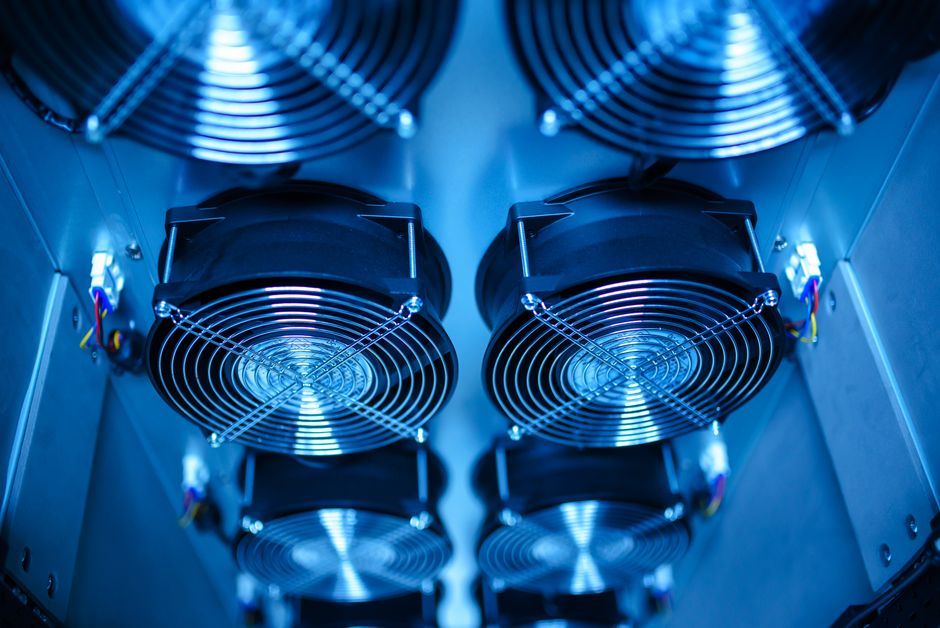
Stock photo for illustration only, not from the actual event
the environmental footprint of digital technology begins long before a device is powered on. smartphones, computers, and servers depend on minerals extracted through global supply chains. copper carries electricity and data across physical networks, while specialized metals are utilized in circuit boards, batteries, and semiconductor components, creating industrial pollution during extraction.
analyzing these trends, the explosive growth of artificial intelligence introduces unprecedented strain on global power grids. even as hardware efficiency improves per calculation, the exponential rise in total computational tasks ensures that overall energy consumption continues to escalate.
semiconductor manufacturing introduces additional environmental complexities. a 2023 study examining environmental disclosures from 28 semiconductor companies reported roughly 789 million cubic meters of water withdrawals and 149 billion kilowatt-hours of energy consumption, illustrating the vast scale of resources required to build modern computing hardware.
furthermore, data centers require robust supporting infrastructure, including backup power systems and intensive cooling equipment. because computing hardware converts electricity into heat, thermal management remains critical, requiring mechanical refrigeration, air systems, or liquid cooling depending on local climate conditions and available resources.
Source: designboom
Found something wrong in this article? Report an issue with this article
Comments
Leave a Comment