

David Fincher Cut 60 Pages From Tarantino's Cliff Booth Script
Director David Fincher took over directing Quentin Tarantino's screenplay The Mis-Adventures of Cliff Booth and cut about 60 pages from the original script.

Stock photo for illustration only, not from the actual event
- Quentin Tarantino penned the screenplay for The Mis-Adventures of Cliff Booth
- The project serves as a follow-up to Once Upon a Time in Hollywood
- David Fincher stepped in to direct the feature film project
- Fincher proceeded to trim approximately 60 pages from the original script
The Hollywood film industry is buzzing with excitement as legendary filmmaker Quentin Tarantino has written a brand new screenplay titled The Mis-Adventures of Cliff Booth. This upcoming feature serves as a direct follow-up to his critically acclaimed hit Once Upon a Time in Hollywood, bringing the fan-favorite character back to the forefront for another cinematic chapter.
However, despite penning the script himself, Tarantino decided to step aside from the director's chair for this project. Instead, he handed over the directing reins to fellow visionary filmmaker David Fincher, allowing a fresh perspective and a different creative lens to shape the cinematic vision of the story.
Collaboration between A-list directors like David Fincher and Quentin Tarantino is a rare and fascinating event in modern cinema, given their distinctly contrasting filmmaking styles. Fincher's decision to cut 60 pages highlights his signature precision and streamlined storytelling approach, which often favors tight pacing and visual economy over sprawling dialogue-driven sequences typical of Tarantino's style.
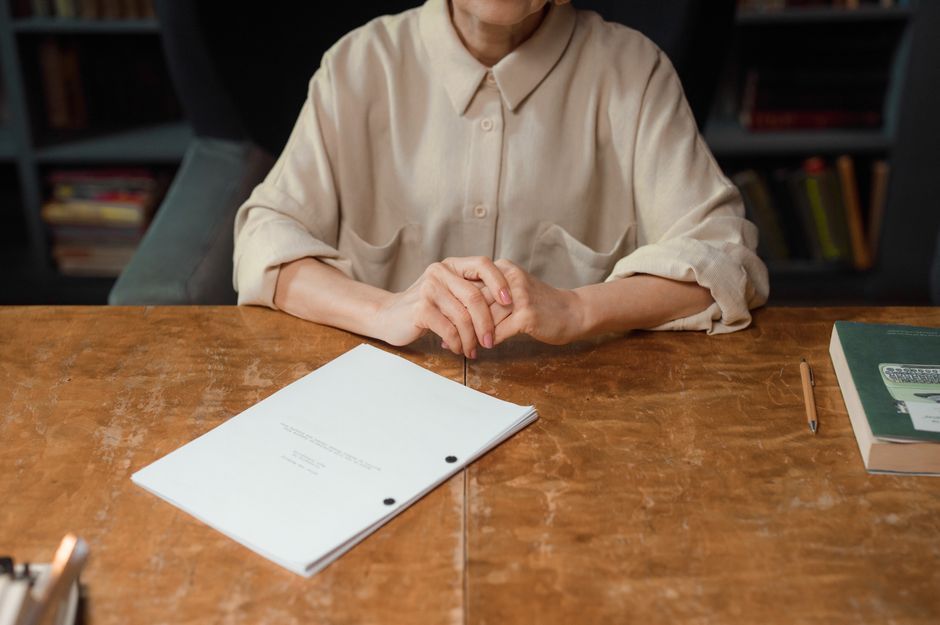
Stock photo for illustration only, not from the actual event
This major script revision marks a crucial milestone in the pre-production phase as David Fincher took his editorial scissors to the project, cutting roughly 60 pages from the screenplay that Tarantino originally delivered. Dropping that substantial amount of material will undoubtedly reshape the narrative structure and pacing, leaving moviegoers eager to see how the final adaptation translates to the screen.
Source: IGN Movies
Found something wrong in this article? Report an issue with this article
Comments
Leave a Comment