

Phil Vickery: Rugby World Cup winner turns bodybuilder at 50
Former England rugby captain and 2003 World Cup winner Phil Vickery, 50, has transitioned into bodybuilding after facing mental health struggles and a CTE diagnosis.

Stock photo for illustration only, not from the actual event
- Former England rugby star Phil Vickery has entered bodybuilding competitions at age 50
- He was part of the England squad that won the 2003 Rugby World Cup in Australia
- His current stage weight is around 99kg, lighter than his playing days of 118kg to 135kg
- He has faced mental health battles and a probable CTE diagnosis following his retirement
Phil Vickery, the former England rugby captain who lifted the World Cup in 2003, has surprised the sporting world by embarking on a new journey as a competitive bodybuilder at the age of 50. The transformation began following a challenge from his friend Lee Powell and guidance from physical trainer Dave Campbell, leading Vickery to step onto the stage at the Physical Culture Show in Hull, England, posing to the familiar strains of the World Cup anthem World in Union.
During his illustrious rugby career as a prop for Gloucester and Wasps, Vickery earned 73 caps for England and five more for the British and Irish Lions. The pinnacle of his playing days was victory at the 2003 Rugby World Cup in Australia, complementing a diverse post-retirement career that has included business ventures and winning Celebrity MasterChef.
However, life after professional sport has not been without serious challenges. Vickery has had to manage his mental health while dealing with a probable diagnosis of chronic traumatic encephalopathy (CTE), an issue tied to an ongoing litigation battle. He has openly discussed how losing the structured purpose of training after retirement led him to a low point.
"I think the one thing I really struggled with when I finished playing is I trained to play and I couldn't find that reason to train afterwards."
Phil Vickery
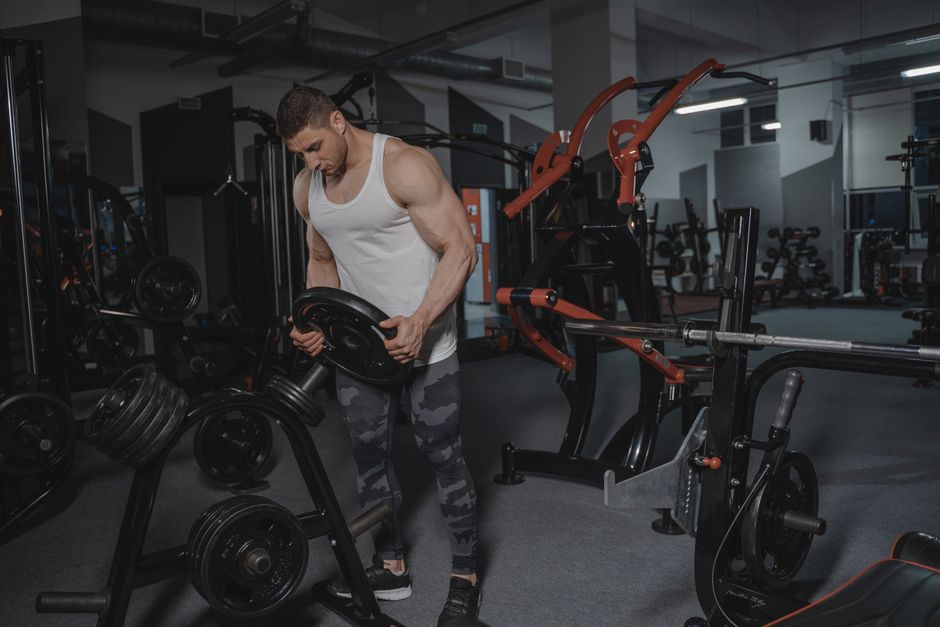
Stock photo for illustration only, not from the actual event
Rediscovering his passion for physical and mental fitness through bodybuilding has provided a vital outlet. His current regimen consists of three to four weightlifting sessions per week, combined with daily fasting cardio and a protein-rich diet to maintain his physique.
The transition from a high-impact contact sport like rugby to bodybuilding in one's fifties highlights the profound psychological adjustments retired athletes must navigate. The loss of athletic identity and structured training routines often triggers mental health hurdles, particularly for players managing neurodegenerative concerns. Finding new disciplines to channel physical and mental energy serves as a critical pathway for post-career well-being.
When Vickery competed on stage in Hull, he weighed approximately 99kg—significantly leaner than his playing weight, which typically ranged between 118kg and 135kg. He hopes to participate in more bodybuilding shows in the future, reminding others of the personal responsibility we hold, noting that everyone has the capacity to be an influencer.
Source: BBC Sport
Found something wrong in this article? Report an issue with this article
Comments
Leave a Comment