

Planet Mutualism: Redesigning Architecture with Nature
Exploring Posthuman Utopias and nature-centric architecture ahead of COP31, moving beyond human-centered design principles.

Stock photo for illustration only, not from the actual event
- Posthuman Utopias explores designing with the planet rather than just on it.
- Tracing the history of human-centric proportions from Vitruvius to modern datasets.
- Legal rights of nature recognized globally, including New Zealand's Whanganui River.
- Innovative use of living materials like bacteria, algae, and mycelium in design.
What does a house look like when it is designed from the perspective of a cat? What does a seawall look like when the client is an oyster, or a garden planted for a bee's vision rather than ours? These questions form the core of Posthuman Utopias, challenging us to stop designing on the planet and learn to design with it.
Written by Sofia Lekka Angelopoulou on October 22, 2026, the piece revisits French artist Marguerite Humeau's exhibition at the Arsenale four years ago. She presented imaginary beings constructed from seaweed, bone, and ocean plastic, prompting reflection on whether climate change and mass extinctions might lead animals to develop their own rituals, mythologies, and spiritualities.
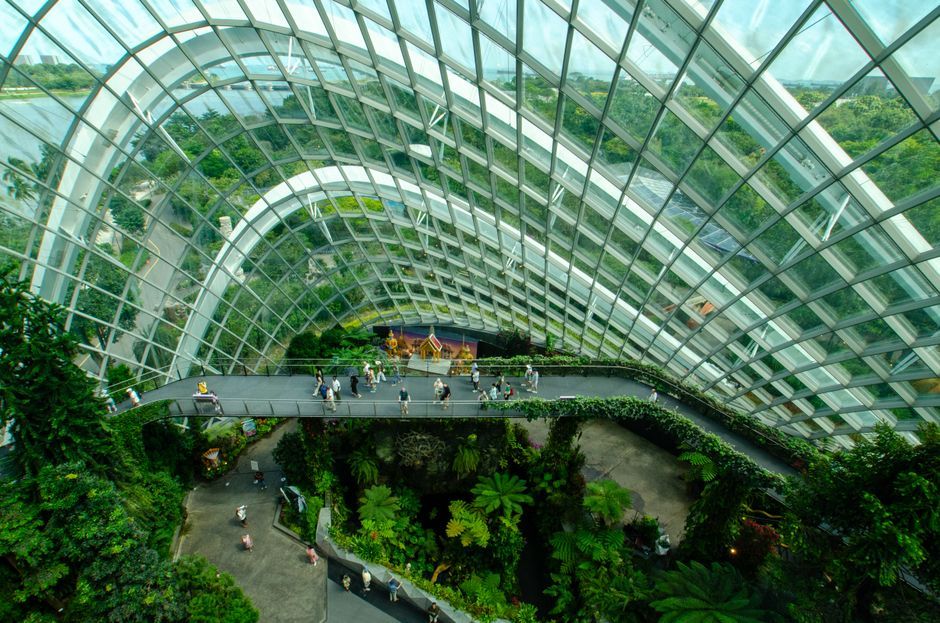
Stock photo for illustration only, not from the actual event
For centuries, human construction has been measured strictly by our own bodies. From Vitruvius deriving temple proportions from a man, to Le Corbusier scaling his Modulor to a six-foot-tall human in the late 1940s, design was inherently anthropocentric. By the 1950s, the human body was codified into datasets like Josephine, which became the baseline for industrial design and the height of the very doorways we walk through today.
The shift toward posthumanist design represents a fundamental paradigm evolution in architecture and urban planning. By moving away from resource extraction and treating non-human entities as active collaborators, designers are aligning with broader global environmental frameworks as governments prepare for climate summits like COP31.
This philosophical shift has deep historical roots, echoing Ian McHarg's 1969 publication Design with Nature, Rachel Carson's Silent Spring in 1962, and early ecological milestones that transformed how humanity views its relationship with the Earth's ecosystems.
Over the decades, these theoretical arguments have steadily translated into concrete law and policy. Ecuador wrote the rights of nature into its constitution in 2008, New Zealand granted legal personhood to the Whanganui River in 2017, and Kongjian Yu spent decades championing sponge cities before the concept became official national policy in China.
Source: designboom
Found something wrong in this article? Report an issue with this article
Comments
Leave a Comment