

Korrawit defends 4-day censure debate allocation
Chief Government Whip Korrawit Pongprasarnthakul compares past data from Prayut era, insisting the Bhumjaithai government provides ample time for the opposition.

Stock photo for illustration only, not from the actual event
- Chief Whip Korrawit outlines 45-48 hours allocated for debate
- Compares parliamentary data with former PM Prayut Chan-o-cha era
- Emphasizes government cooperation for legislative transparency
- Assures opposition has sufficient time to question ministers
Korrawit Pongprasarnthakul, serving as the Chief Government Whip, addressed the media regarding ongoing debates over the time allocation for the upcoming no-confidence session. He maintained that the Bhumjaithai-led administration remains transparent and accommodating, granting a full four-day window—amounting to roughly 45 to 48 hours—to ensure the opposition can thoroughly examine government policies.
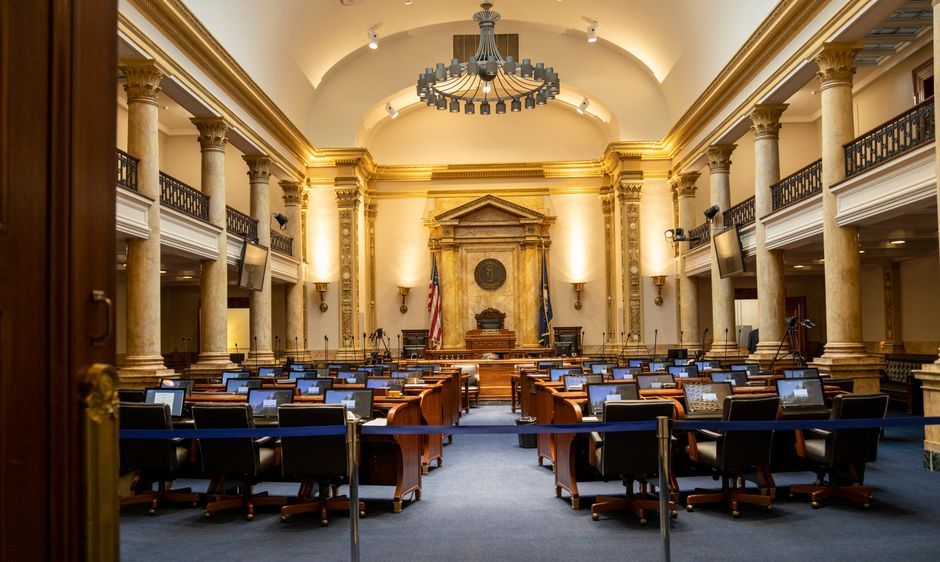
Stock photo for illustration only, not from the actual event
The Chief Whip presented comparative statistics from previous censure debates during the tenure of former Prime Minister Prayut Chan-o-cha. By highlighting historical figures, he argued that the current four-day schedule is fully consistent with parliamentary standards and offers adequate flexibility for members of parliament to execute their oversight duties without administrative obstruction.
This clarification follows initial concerns raised by certain opposition MPs who argued the allotted timeframe might restrict deep-dive inquiries into key state projects. Nonetheless, Korrawit stressed that the coalition whip committee thoroughly reviewed both regulatory constraints and projected agenda volume to maximize utility for the public.
“We confirm our sincerity, and past statistics clearly demonstrate that four days is the optimal duration for the debate.”
Korrawit Pongprasarnthakul
Setting temporal boundaries for parliamentary interpellations or no-confidence motions in the Thai political landscape routinely triggers friction between executive branches and opposition blocs. Time management serves as both an administrative tool for the speaker and a strategic constraint for critics. Utilizing historical comparative data allows the whip to legitimize procedural decisions and preempt accusations of suppression.
Concluding his remarks, Korrawit urged all legislators to utilize the available hours constructively, prioritizing substantive national issues over procedural disruptions or rhetorical clashes, thereby fostering a high-quality parliamentary exercise.
Source: Matichon Politics
Found something wrong in this article? Report an issue with this article
Comments
Leave a Comment