

Suchart Urges Proactive Action Against 2027 Marine Heatwave
DMCR holds seminar on Oct 21, 2026, to address Super El Nino impacts and formulate national policies ahead of the high-risk period in April-May 2027.

Stock photo for illustration only, not from the actual event
- Natural Resources Ministry orders proactive steps against 2026–2027 heatwave tsunami
- Special seminar held at Bangkok Art and Culture Centre on October 21, 2026
- Focus on national policy proposals ahead of high-risk months in April–May 2027
- Core strategy: Never wait for coral bleaching to occur before taking action
On October 21, 2026, the Department of Marine and Coastal Resources (DMCR), in collaboration with the Marine Science Association of Thailand and the For Sea Foundation, hosted a seminar titled 'Heatwave Tsunami: Prepare Protect Preserve' at the multipurpose room on the 1st floor of the Bangkok Art and Culture Centre. The event aimed to assess the severe impacts of the upcoming Super El Nino phenomenon spanning 2026–2027 on Thailand's marine ecosystems and coral reefs.
This strategic gathering brought together academics, government agencies, and the private sector to formulate national policy proposals. The primary objective is to establish preventive measures before entering the peak risk period between April and May 2027, when sea temperatures are projected to peak and threaten marine life significantly.
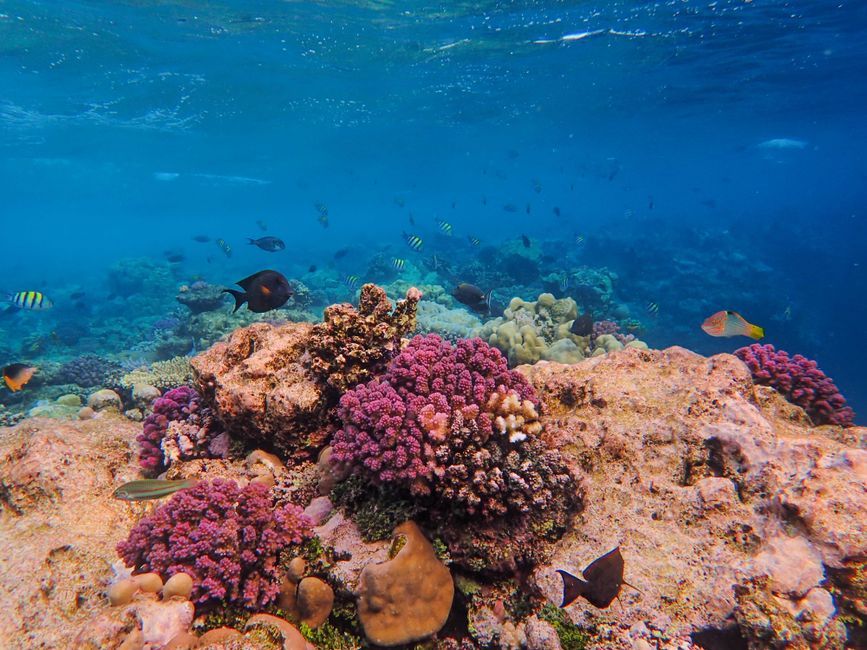
Stock photo for illustration only, not from the actual event
The seminar featured prominent figures sharing their insights, led by Dr. Pinsak Suraswadi, Director-General of the Department of Marine and Coastal Resources, alongside Mr. Ukkrit Satapoomin, Deputy Director-General of the DMCR, who joined scientists and environmental experts to exchange solutions for protecting Thailand's marine environments.
Describing severe marine heatwaves as a 'Heatwave Tsunami' highlights the urgent communication strategy used by scientists to emphasize climate risks that differ from past slow-onset changes. Waiting for widespread coral bleaching before responding is often irreversible, as marine ecosystems require years to recover. Shifting to preventive policies ahead of the 2027 dry season marks a crucial turning point for preserving Thailand's marine biodiversity.
Dr. Pinsak Suraswadi revealed directives received from Mr. Suchart Chomklin, Minister of Natural Resources and Environment, explicitly emphasizing that all sectors must abandon the reactive mindset of waiting for ecological disasters to unfold before initiating rescue efforts.
"Do not wait for coral to bleach before taking action; instruct the Marine Department to prepare for the heatwave tsunami."
Dr. Pinsak Suraswadi
Source: Khaosod Politics
Found something wrong in this article? Report an issue with this article
Comments
Leave a Comment