

SK Hynix: From Crisis to Global HBM Chip Leader
Trace the journey of SK Hynix from nearly going bankrupt during the 1997 Asian financial crisis to becoming the powerhouse behind global AI chips.

Stock photo for illustration only, not from the actual event
- SK Hynix evolved from an automotive affiliate to a global memory leader
- Survived the 1997 Asian financial crisis through government-mandated mergers
- SK Group acquired the company and made a massive bet on HBM technology
- Today, it stands as an indispensable infrastructure provider for global AI
The modern artificial intelligence boom relies entirely on advanced memory hardware, with South Korea's SK Hynix sitting at the very center of this ecosystem. However, the path to becoming a global powerhouse was fraught with severe financial trials and structural transformations from the very beginning.
Tracing its origins back to an automotive network affiliate, the company faced an existential threat during the 1997 Asian financial crisis. The severe economic downturn pushed the business to the brink of bankruptcy, necessitating a government-directed corporate merger to restructure its operations.
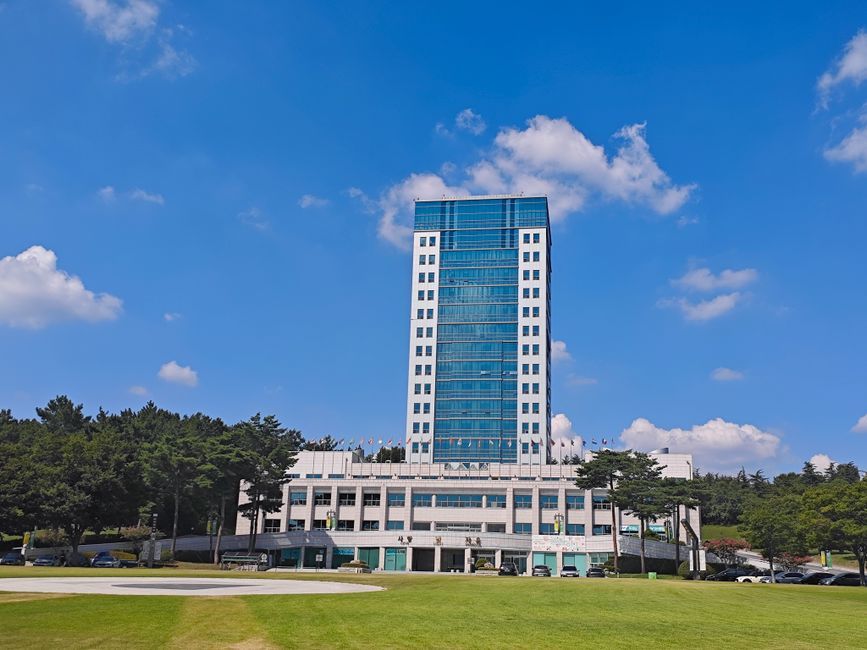
Stock photo for illustration only, not from the actual event
The transformation of SK Hynix from a near-bankrupt firm into the dominant player in High Bandwidth Memory (HBM) highlights the critical importance of long-term hardware vision in the tech sector. HBM addresses the severe data bottlenecks between processors and memory, which is essential for handling the massive workloads required by modern AI models. SK Group's willingness to invest heavily in a technology that the broader market initially dismissed proved to be a masterstroke for the AI era.
The true turning point arrived when SK Group took over the company and made a high-stakes gamble on HBM technology at a time when industry demand was virtually nonexistent. This bold investment eventually paid off exponentially, positioning the firm as the undisputed king of AI memory chips.
The journey of SK Hynix demonstrates that robust hardware infrastructure remains the invisible foundation driving every cutting-edge technological shift, proving that the future of software relies entirely on silicon innovation.
Source: Techsauce
Found something wrong in this article? Report an issue with this article
Comments
Leave a Comment