

Saudi Strikes Spill Over Into Gulf Tourism Industry
Houthi strikes in Saudi Arabia impact traveler sentiment across the UAE and Oman, causing softer forward bookings for regional operators.

Stock photo for illustration only, not from the actual event
- Houthi strikes on Saudi Arabia have spilled over, dampening travel demand in the UAE and Oman.
- Operators note that international travelers often treat the entire Gulf region as a single risk.
- Corporate demand and major Q4 events in Dubai are successfully holding up hotel bookings.
- CoStar data shows UAE hotel occupancy averaged 67.6% in September, down 12.3 points year-over-year.
Inbound travelers are growing increasingly hesitant about visiting other parts of the Gulf following Houthi strikes on Saudi Arabia. Hotels and tour operators across the United Arab Emirates (UAE) and Oman report softer forward booking numbers and a surge in safety inquiries, even though hard operational data shows a much lighter impact outside of Saudi Arabia itself.
Naim Maadad, CEO of Gates Hospitality, which oversees the luxury Six Senses Zighy Bay resort in Oman, explained that international media tends to apply a broad umbrella approach to the Middle East rather than separating individual nations. Combined with embassy travel alerts, insurance restrictions, and airlift limits, Maadad noted that his resort has experienced virtually no leisure tourism since the end of February, with almost all active bookings originating locally and booked at the last minute.
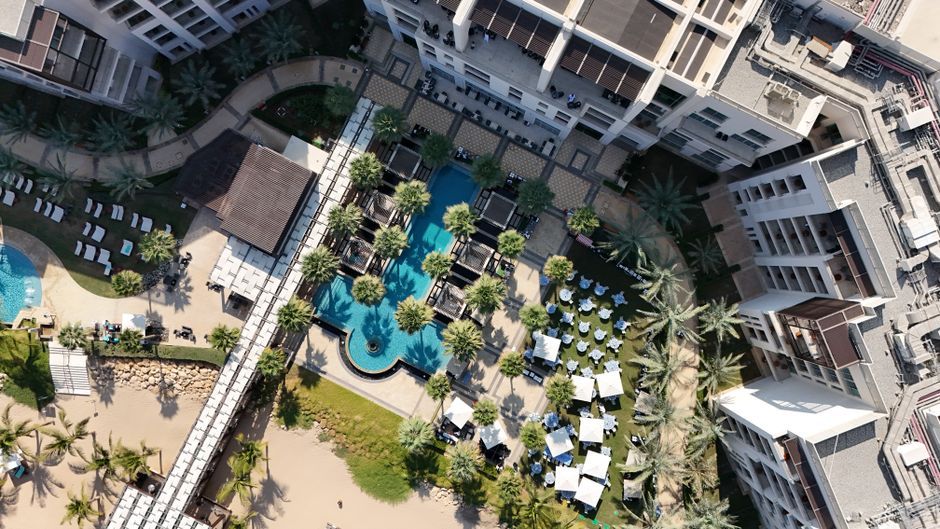
Stock photo for illustration only, not from the actual event
Geopolitical tensions in the Middle East frequently trigger widespread psychological fallout for regional tourism. Because overseas visitors often perceive neighboring nations as sharing identical risk profiles, incidents in Saudi Arabia directly influence travel confidence in destinations like the UAE and Oman, regardless of localized security measures.
While leisure demand has noticeably thinned out, corporate travel remains a notable exception. Dubai's busy fourth-quarter business calendar continues to support hotel performance, driven by major exhibitions and gatherings including:
- Big 5 Global
- Gulfood Manufacturing
- Gitex Global
Conversely, Saudi Arabia has chosen to postpone several major events, such as the Future Investment Initiative, due to the domestic situation.
"Unfortunately, the media doesn’t separate the Middle East as such and places an umbrella approach on the region, hence the spillover is a natural phenomenon."
Naim Maadad, CEO of Gates Hospitality
Hard data paints a mixed picture across the region. CoStar figures indicate that UAE hotel occupancy averaged 67.6% in September, marking a 12.3 percentage point drop compared to the previous year, with RevPAR declining by 23.7%. However, analysts note this erosion largely predates the recent strikes and stems from the U.S.-Iran conflict that began on February 28. Meanwhile, AirDNA reported that Saudi short-term rental nights fell 17% on October 10—the day Riyadh's airport was struck—with cancellations rising an additional 30% following October 6.
Source: Skift
Found something wrong in this article? Report an issue with this article
Comments
Leave a Comment