

Gradium Open-Sources Phonon 31M On-Device TTS Model
Gradium releases Phonon, a 31M-parameter on-device text-to-speech model family, available under the Apache 2.0 license.

Stock photo for illustration only, not from the actual event
- Gradium introduces Phonon, an on-device text-to-speech model family
- The English 31M model requires only 64.5 megabytes of storage
- Achieves a time-to-first-speech of about 7 milliseconds on laptop CPUs
- Distributed freely under the permissive Apache 2.0 license
The artificial intelligence landscape has taken another step forward as Gradium officially launches Phonon, a family of text-to-speech models engineered to operate directly on end-user devices. This architecture eliminates reliance on cloud servers, significantly improving processing speed and enhancing user privacy by keeping all audio generation local.
The flagship English release features 31 million parameters, striking a balance between vocal clarity and compact efficiency. The model occupies a mere 64.5 megabytes of storage space, making it exceptionally lightweight for deployment across various hardware environments.
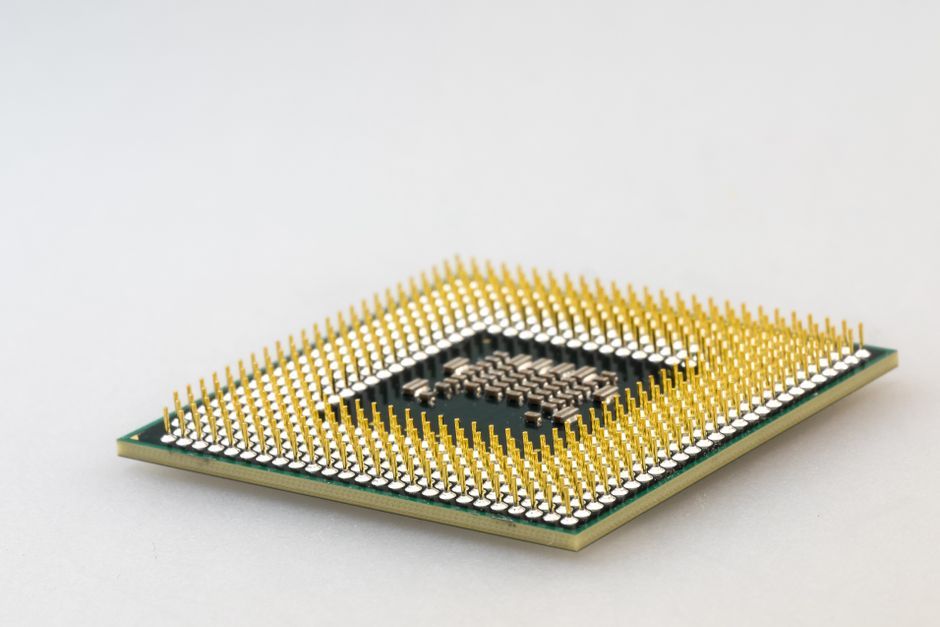
Stock photo for illustration only, not from the actual event
The creation of compact models like Phonon with just 31 million parameters highlights the growing momentum of On-Device AI. By processing workloads locally, developers can drastically reduce cloud infrastructure costs, minimize latency, and safeguard user data—key requirements for real-time applications such as voice assistants and navigation tools.
A standout technical achievement of the Phonon 31M model is its rapid response time. When executed on standard laptop CPU hardware, the system initiates speech output in approximately 7 milliseconds, delivering near-instantaneous audio generation.
Furthermore, Gradium has chosen to release the model under the Apache 2.0 license. This open-source approach empowers developers, researchers, and enterprises to integrate, modify, and build upon the technology for commercial and experimental purposes freely.
Source: MarkTechPost
Found something wrong in this article? Report an issue with this article
Comments
Leave a Comment