

Government Urged to Act as Fuel Prices and Floods Crush Households
Major fuel prices rose for the third time, adding 2.10 baht per liter amid severe floods, prompting calls for urgent government relief.

Stock photo for illustration only, not from the actual event
- Major fuel prices increased three times in a single month, rising by 2.10 baht per liter.
- Citizens face compounding crises with severe floods damaging homes and wiping out incomes.
- Standard advice to tighten belts fails as households have no expenses left to cut.
- Public demands prompt government action on fuel tax cuts and faster disaster relief.
The cost-of-living crisis has intensified following another fuel price hike of 0.60 baht per liter, marking the third increase in major fuel categories within a single month.
Calculated across all three adjustments, prices for certain fuel groups have climbed by a total of 2.10 baht per liter. This energy price surge has triggered a ripple effect across household budgets, elevating transportation costs, logistical expenses, and retail food prices.
Small-scale business operators, farmers, delivery riders, and daily wage earners relying on vehicles for their livelihood have absorbed a direct blow from these mounting expenses.
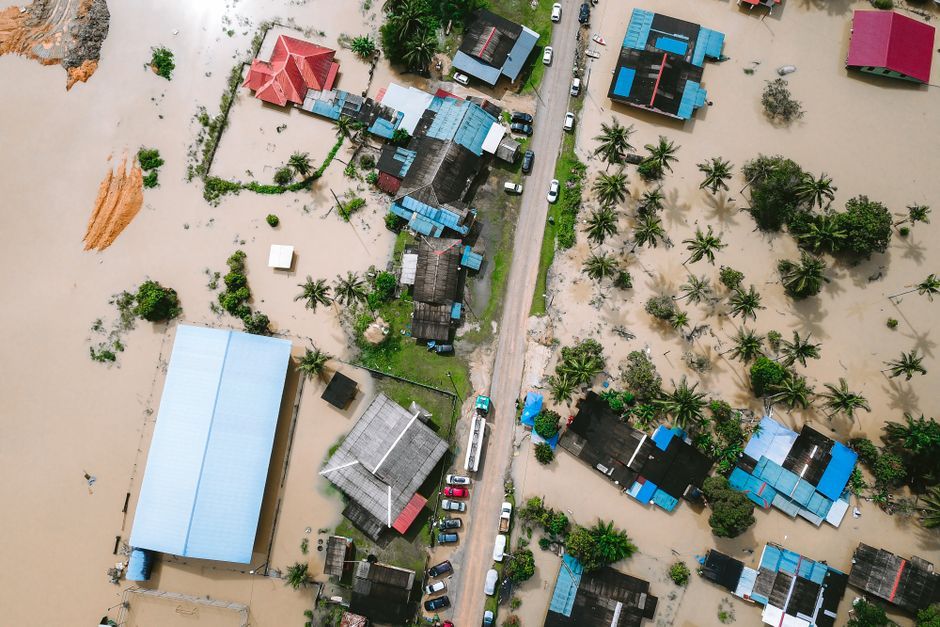
Stock photo for illustration only, not from the actual event
This financial strain is exacerbated as numerous citizens grapple with widespread flooding, leaving homes and properties damaged while leaving some families entirely stripped of income and forced to finance repairs.
The convergence of energy inflation and natural disasters highlights the vulnerability of grassroots households, indicating that traditional support mechanisms are inadequate for long-term survival.
While utility and food expenses climb alongside fuel costs, government relief funds remain delayed or insufficient compared to actual damages, forcing families to deplete savings or take on new debts.
Under these conditions, standard advice telling citizens to tighten their belts is no longer viable, as many households have already slashed expenditures to bare minimums where nothing else can be cut.
With fuel and food costs remaining unavoidable, the risk of escalating living expenses remains high if energy markets continue to fluctuate through the remainder of the year and into the next.
Although the government faces constraints regarding global market prices and the oil fund status, these limitations should not justify leaving citizens to bear the entire burden alone.
Authorities must urgently implement practical relief measures, including appropriate fuel tax reductions, public transport subsidies, and swift, widespread compensation for disaster victims.
Source: Khaosod Politics
Found something wrong in this article? Report an issue with this article
Comments
Leave a Comment