

NYC Horse-Drawn Carriage Tourism to End by Mid-2028
New York City Council passes legislation to phase out the 165-year-old carriage industry by May 2028 following a fatal tourist accident.

Stock photo for illustration only, not from the actual event
- New York City Council passed a bill to ban horse-drawn carriages by mid-2028
- All operating licenses will expire permanently at the end of May 2028
- A teenage tourist's tragic death revived long-standing animal welfare concerns
- Transport Workers Union plans to challenge the legislation in federal court
New York City is set to eliminate one of its most recognizable tourist attractions after operating for more than 165 years. The City Council has approved a legislative bill that will systematically phase out horse-drawn cabs around Central Park, setting a definitive expiration date for mid-2028.
This decisive action follows years of criticism regarding animal welfare and public safety. Momentum for the ban accelerated sharply in June after a teenage tourist from India, Romanch Mahajan, tragically lost his life in an incident involving a runaway carriage horse near the park grounds.
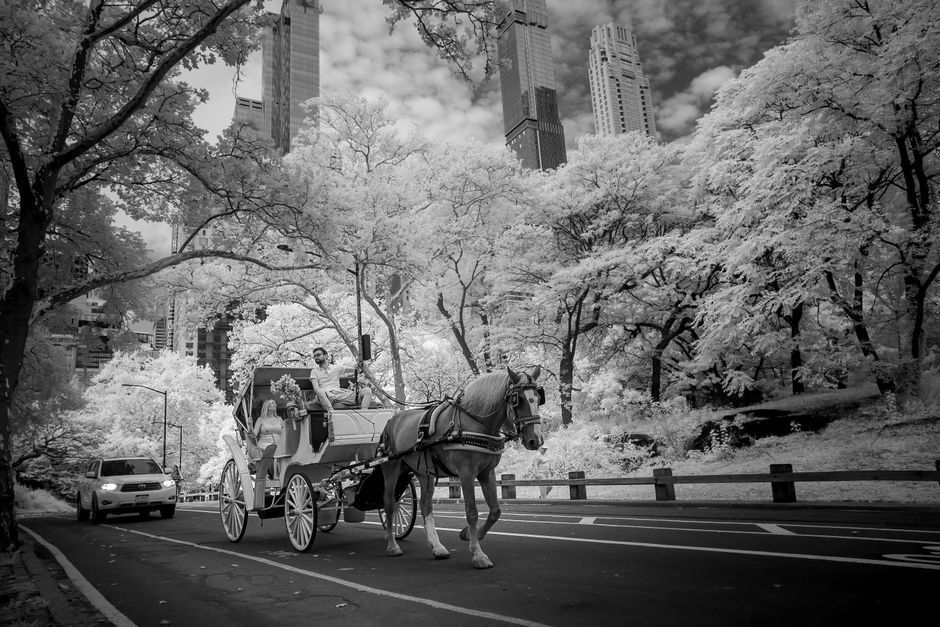
Stock photo for illustration only, not from the actual event
Data compiled from public records analyzed by Manhattan Borough President Brad Hoylman-Sigal revealed that authorities have documented 96 serious incidents and 40 horse deaths near Central Park since 1982, underscoring persistent hazards associated with the traditional street-level tourist rides.
"People from all over the world know about us and travel to New York to come for a carriage ride in the park. A ride in the park is folklore."
Conor McHugh, Carriage Driver and Stable Manager
Under the approved legislation, the issuance of new licenses for carriage horses, cabs, and drivers will halt permanently on June 1, 2028, with all active permits expiring at the end of May. The framework mandates a humane disposition plan for the animals and a transition program for more than 150 active drivers by April 2027, including potential business compensation. Special permits will remain available exclusively for parades, weddings, and film productions.
The decision by New York lawmakers highlights a broader global shift toward animal rights and stringent public safety standards in urban tourism. While historical traditions often draw visitors, modern municipalities are increasingly prioritizing risk mitigation over legacy attractions, forcing a transition toward alternative transit options like pedicabs despite their own regulatory hurdles.
Despite the impending closure, the Central Park Conservancy stated during July hearings that it does not anticipate a drop in overall park visitation, noting that the location attracts 42 million visitors annually. Meanwhile, Transport Workers Union Local 100 announced its intention to challenge the legislation in federal court as the bill heads to Mayor Zohran Mamdani for his signature.
Source: Skift
Found something wrong in this article? Report an issue with this article
Comments
Leave a Comment