

American Airlines Expects 2026 Loss, Eyes 2027 Profit
American Airlines CEO Robert Isom expects the carrier to return to profitability in 2027 despite facing $7 billion in soaring jet fuel costs this year.

Stock photo for illustration only, not from the actual event
- American Airlines projects a deeper full-year loss for 2026 with jet fuel costs reaching up to $4.70 per gallon in the fourth quarter.
- CEO Robert Isom insists the carrier can achieve profitability in 2027 if not for the massive $7 billion increase in fuel expenses.
- The airline continues investing in premium passenger experiences, including fleetwide Starlink, seatback screens, and upgraded cabin offerings.
- The carrier will slow its growth rate in 2027 to protect profitability while projecting fourth-quarter revenue growth between 19.5% and 22.5%.
American Airlines is navigating a challenging financial landscape as CEO Robert Isom revealed during a Thursday analyst call that the carrier anticipates closing the year with a deeper loss, primarily driven by soaring jet fuel expenses throughout the year.
Isom pointed out that fuel expenditures have expanded by $7 billion over the course of the year. With the airline projecting to pay as much as $4.70 per gallon for fuel in the fourth quarter, this specific cost burden is the sole barrier keeping the carrier from posting solid profits.
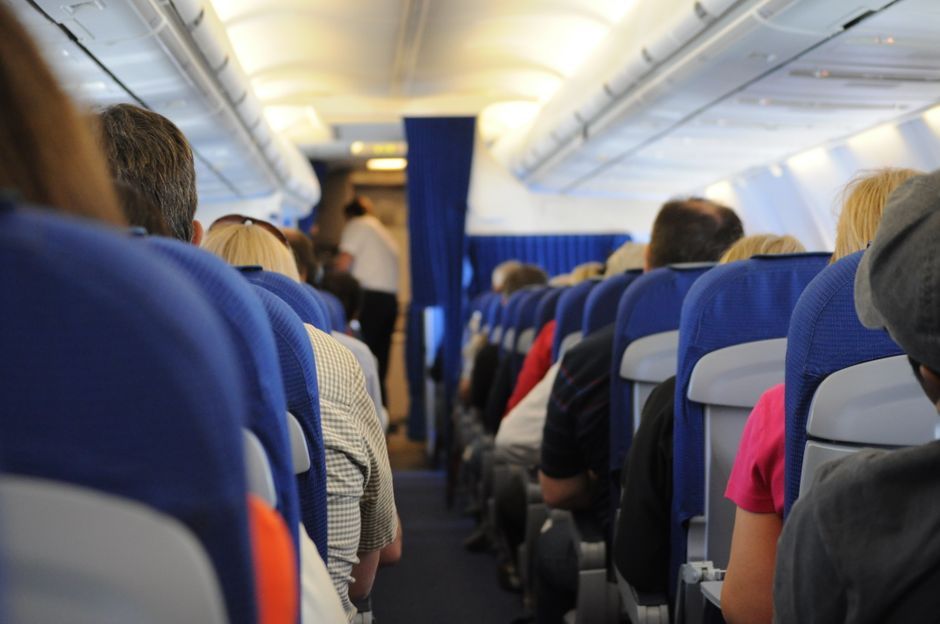
Stock photo for illustration only, not from the actual event
Despite the severe pressure from energy costs, Isom expressed strong confidence that the carrier can return to profitability by 2027. This optimism is fueled by ongoing investments in premium travel experiences, which have historically driven the bulk of industry profits, alongside plans to moderate capacity growth in 2027 if fuel prices remain elevated.
To attract high-value travelers, American Airlines has rolled out significant cabin upgrades. These initiatives include installing fleetwide Starlink Wi-Fi, adding seatback entertainment screens on domestic narrowbodies, increasing premium seating share, upgrading main cabin snacks, launching new international routes, and eliminating involuntary bumping policies, contributing to projected fourth-quarter revenue gains of up to 22.5%.
"We think we can be profitable next year, and that's driven by what we've seen this year. We've had fuel expenses now grow $7 billion over the course of the year. But for that, we'd be solidly profitable."
Robert Isom, CEO of American Airlines
Chief commercial officer Nat Pieper noted that the carrier's future strategy shifts toward international expansion and joint ventures with partners such as Alaska Airlines, IAG, JAL, and Qantas. Meanwhile, fourth-quarter capacity is forecasted to rise between 5.5% and 6.5%, outpacing rivals Delta Air Lines and United Airlines, which project roughly 2% growth due to American's ongoing efforts to rebuild its Chicago, Miami, Philadelphia, and Phoenix hubs.
Industry Context: Commercial airlines remain highly vulnerable to volatile jet fuel prices, which typically represent one of their largest operating expenditures. American Airlines' strategic pivot toward premium offerings and controlled capacity growth illustrates how legacy carriers adapt to cost pressures by leveraging technology like Starlink and enhanced service tiers to command higher ticket prices in a competitive market.
Addressing ticket pricing, Isom stated that there remains adequate room to push fares higher, noting that recent upward adjustments have successfully brought airfares back on par with pre-pandemic pricing levels.
Source: Skift
Found something wrong in this article? Report an issue with this article
Comments
Leave a Comment