

Hayden Clay Williams Reinterprets Everyday Objects as Glass Sculptures
Artist Hayden Clay Williams transforms ordinary items like egg cartons, traffic cones, and wet floor signs into sparkling stained glass sculptures.

Stock photo for illustration only, not from the actual event
- Hayden Clay Williams crafts familiar disposable objects into jewel-toned stained glass sculptures.
- Key artworks include a six-well egg carton, a roadside traffic cone, and a folding wet floor sign.
- Constructing the glass wet floor sign took the artist approximately three weeks.
- The fragility of the glass material contrasts playfully with the utilitarian nature of the original objects.
Artist Hayden Clay Williams is bringing a touch of suburban surrealism to familiar, disposable objects by reconstructing their everyday shapes using jewel-toned stained glass and soldered seams that catch and scatter natural light.
An ordinary paper egg carton is reimagined as a precious item, built from panels of turquoise, amber, and soft pink glass joined by silver-colored seams. When sunlight passes through the intricate structure, it casts colorful reflections onto the surface below, transforming a protective container into an object that requires protection itself.
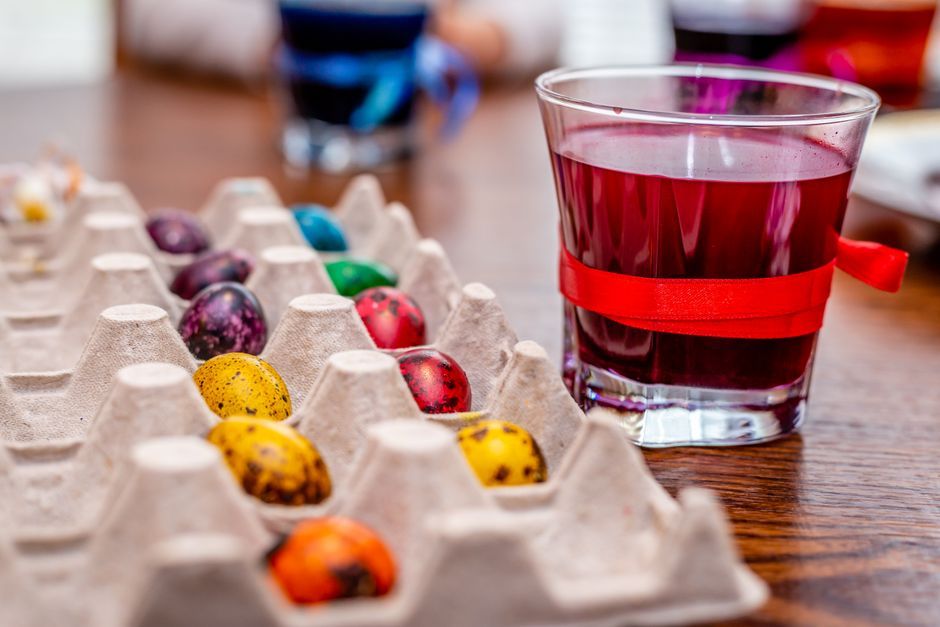
Stock photo for illustration only, not from the actual event
Williams applies this same playful approach to street safety markers and folding wet floor signs, retaining their recognizable silhouettes while replacing durable plastics with fragile, decorative glass typically reserved for lamps and windows. Among these, the Egg Carton (Six Wells) stands out as an intricate shallow container featuring six recessed compartments defined by detailed solder lines.
Another prominent piece is the golden glass wet floor sign, complete with a warning symbol at the center featuring a slipping figure assembled from textured glass pieces. This creates a clever paradox, as the warning sign itself becomes vulnerable to the exact hazard it depicts.
This transition from digital surrealism—such as Williams' previous 'World Underwater' rendered landscapes—into physical space highlights the artist's evolving exploration of altered materials. By materializing mundane manufactured goods in fragile stained glass, the works bridge the gap between industrial utility and fine art craftsmanship.
The physical creation process comes with distinct technical challenges. Williams spent about three weeks fabricating the wet floor sign, employing lead-free solder for the glass joints and a zinc frame for structural integrity, alongside a functional hinge that allows the two panels to rotate.
Source: designboom
Found something wrong in this article? Report an issue with this article
Comments
Leave a Comment