

Slothstart: A Local Gemma Agent That Overcomes Procrastination
Discover Slothstart, a command-line agent powered by local Gemma models that handles the dreaded first two minutes of your neglected tasks while you sleep.

Stock photo for illustration only, not from the actual event
- Slothstart is a command-line agent designed to tackle your neglected tasks.
- It automatically picks your oldest task overnight to generate a starter draft.
- Runs locally on your device to ensure complete privacy of your task list.
- Focuses strictly on lowering the activation energy rather than completing the task.
People rarely avoid a task because the overall workload is difficult; rather, they procrastinate because of the initial two minutes, such as staring at a blank page or a blinking cursor. This activation energy barrier is precisely what Slothstart aims to automate.
Created as a submission for Week 3 of the Hacktoberfest Open-Source AI Challenge under the theme Slow and Steady, the tool reads your neglected tasks.md file, picks the longest-standing item, and drafts a head start while you sleep.
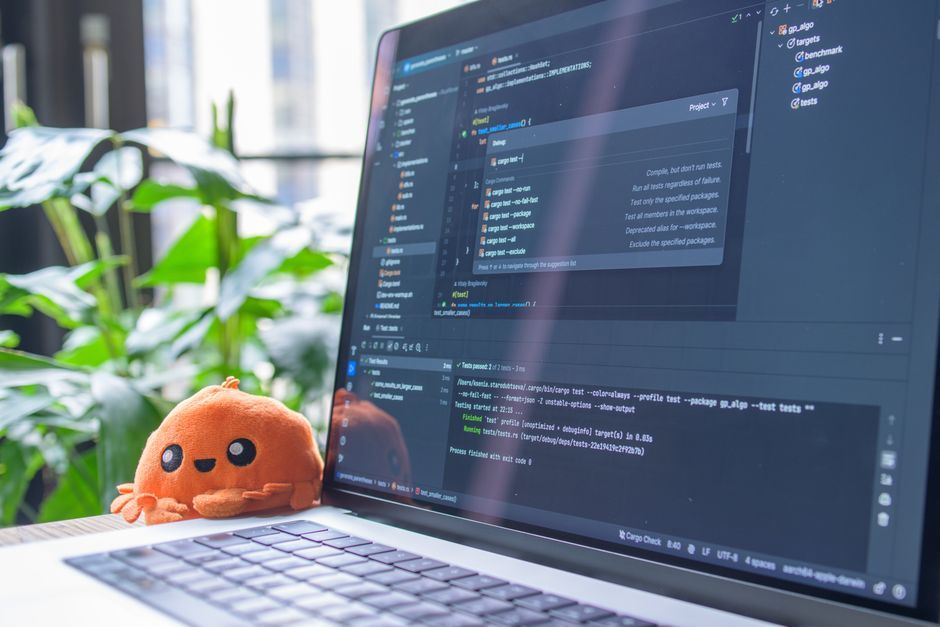
Stock photo for illustration only, not from the actual event
By morning, you wake up to a folder named starters/ where your dreaded tasks are already about 20 percent finished, featuring drafted emails, initial paragraph outlines, or project skeletons with TODO markers in every file.
Limiting the agent's scope to merely breaking the initial barrier is a clever design choice. Models that try to finish entire projects often produce errors and encourage dependency, whereas lowering the cost of beginning directly targets the root cause of procrastination without overstepping boundaries.
Operationally, the tool is deliberately slow. It processes tasks sequentially while monitoring the computer's thermal state, pausing whenever the hardware starts running warm. The developer tests it on a fanless MacBook Air M1, making it an ideal environment for this slow-and-steady engineering constraint.
Powered locally by Gemma 3, the setup prioritizes privacy. Task lists often contain deeply personal items like draft emails to professors or job applications, making local execution a safer choice than uploading avoidance habits to a third-party cloud server every night.
Source: Dev.to
Found something wrong in this article? Report an issue with this article
Comments
Leave a Comment