

Southeast Asia Haze Hits Malaysia Year-End Tourism
Severe haze from Indonesian forest fires blankets Malaysia and Singapore, driving November tour cancellations and threatening a struggling tourism season.

Stock photo for illustration only, not from the actual event
- Malaysian inbound tour operators face November travel cancellations
- Indonesia logs over 2,600 domestic flights disrupted by heavy haze
- Malaysia 47 million visitor target was out of reach before haze arrived
- Singapore shortens and moves sightseeing itineraries indoors
Thick haze stemming from Indonesian forest and peatland fires has drifted across the region, settling over neighboring Malaysia and Singapore and threatening year-end travel plans as inbound tour operators report rising cancellations.
Mohd Khalid Harun, president of the Malaysia Tourism Agency Association (MATA), told Skift that operators are witnessing a drop in bookings alongside trip cancellations, specifically impacting travel scheduled for November, though MATA has yet to compile national statistics on occupancy and cancellation rates.
Cross-border haze in Southeast Asia remains a recurrent environmental challenge, heavily influenced by seasonal winds and agricultural land-clearing practices in Indonesia. Beyond immediate public health concerns, these episodes deliver sudden economic shocks to the regional tourism sector, forcing operators to rapidly pivot itineraries to safeguard travelers.
The environmental pollution has also forced changes in Singapore, where outdoor sightseeing programs are being shortened or relocated indoors. Meanwhile, Indonesia's Transportation Ministry recorded 2,604 domestic flights impacted by haze between August 11 and October 19, including 1,420 cancellations or postponements. Regional carriers have also felt the squeeze, with Firefly suspending its six daily round trips between Subang and Seletar during October.
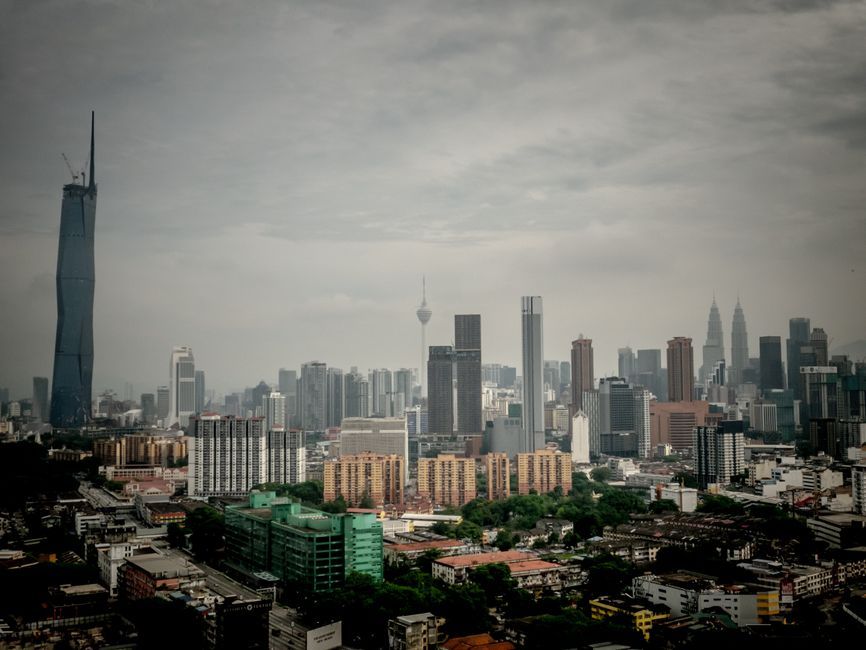
Stock photo for illustration only, not from the actual event
Industry players are actively adapting rather than halting operations entirely. Destination Asia suspended houseboat cruises within Tanjung Puting National Park in Kalimantan, pivoting instead to alternative destinations in Java, Bali, Lombok, and Komodo.
This environmental blow lands on a Malaysian tourism sector that was already tracking far below official expectations. Malaysia recorded 28.8 million international visitors from January through August, representing a 1.8 percent year-over-year increase. However, achieving the Visit Malaysia campaign goal of 47 million visitors would require 18.2 million arrivals between September and December—roughly a 31 percent surge over the same period last year, a target deemed mathematically out of reach long before the haze settled.
Source: Skift
Found something wrong in this article? Report an issue with this article
Comments
Leave a Comment