

Wales plans to ban steel pylons with underground cables consultation
The Welsh government launches a consultation to ban traditional steel pylons for lines up to 132kV, favoring underground cables to protect landscapes.

Stock photo for illustration only, not from the actual event
- The Welsh government announces plans to ban traditional steel electricity pylons.
- Plaid Cymru ministers strongly favor burying energy cables underground instead.
- Green Gen Cymru's Towy Valley pylon proposals sparked fierce local opposition.
- The company states undergrounding cables costs 4.5 times more than overhead lines.
The Welsh government has announced plans to prohibit the use of traditional steel pylons for supporting electricity lines within its jurisdiction. The policy shift aims to preserve natural landscapes and protect local communities from the visual and environmental impacts of large energy infrastructure.
This initiative follows a manifesto pledge made by Plaid Cymru prior to the Senedd election in May. Ministers from the party have consistently championed burying electrical circuits underground as a preferred alternative to erecting massive lattice structures across the countryside.
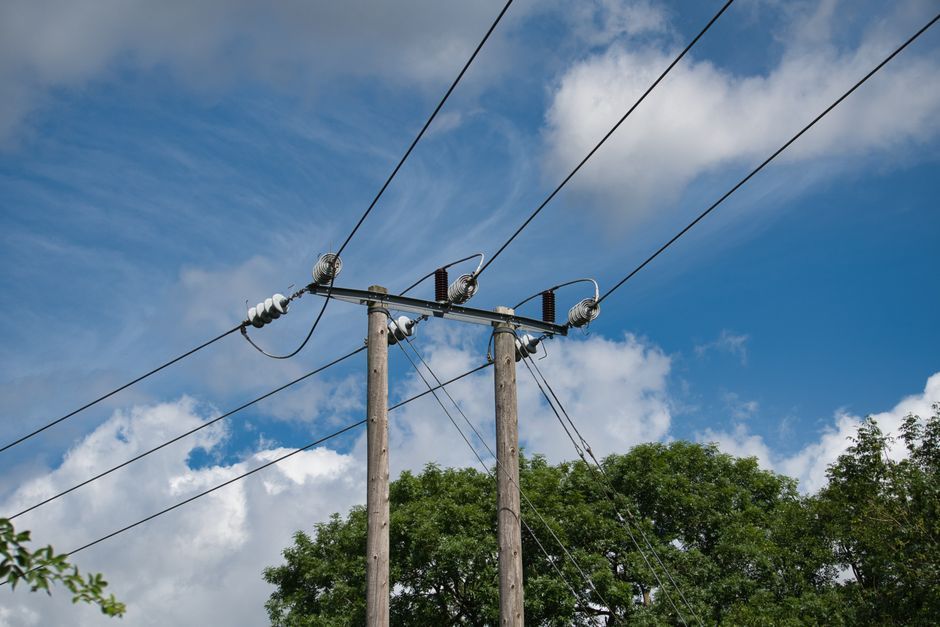
Stock photo for illustration only, not from the actual event
The policy launch comes amid fierce local backlash against a network of proposed pylons in the Towy Valley by Green Gen Cymru. The firm planned to connect onshore wind farms to the wider grid as part of a nearly £1bn investment by 2030, affecting regions including Carmarthenshire, Ceredigion, Powys, and Shropshire.
While the Welsh government argues that underground cables reduce visual intrusion, protect infrastructure from severe weather, and minimize hazards to wildlife and birds, the consultation document acknowledges potential drawbacks. It notes that undergrounding is generally more expensive to install and maintain while causing construction disruptions.
"We want to see infrastructure that is sensitively designed to minimise impacts on the environment and the communities that host them, while offering the maximum benefits for Wales."
Adam Price, Welsh Energy Minister
The debate over underground versus overhead power cables highlights a central challenge in expanding renewable energy grids worldwide. While burying cables preserves local aesthetics and shields lines from extreme weather, the substantially higher financial burden often triggers prolonged friction between energy developers, landowners, and regional policymakers.
The public consultation regarding this proposed regulatory change will remain open until January 15, 2027.
Source: BBC Science & Environment
Found something wrong in this article? Report an issue with this article
Comments
Leave a Comment