

Modeling HVAC Capacitor Replacement Rules as Code
Move away from messy spreadsheets and learn how to encode replacement rules and validate air conditioner parts using code.

Stock photo for illustration only, not from the actual event
- Replace manual lookup tables with programmed substitution rules
- Air conditioner run capacitors serve as a clean example for code modeling
- The exact same pattern applies to contactors, transformers, and air filters
- Strict safety precautions are vital before handling electrical components
Most ecommerce queries regarding whether a specific replacement part will fit are typically resolved using a lookup table, where someone manually maps part A to part B inside a spreadsheet. However, this approach falls apart when dealing with commodity electrical components, where thousands of unique part numbers actually boil down to just a handful of core electrical ratings.
For these scenarios, a better approach is to encode the substitution rules directly and check any candidate part against the original specification programmatically. Run capacitors found in air conditioners and heat pumps provide a clean and straightforward example. The label on an old component reveals nearly all necessary details, and the rules governing a safe replacement are concise.
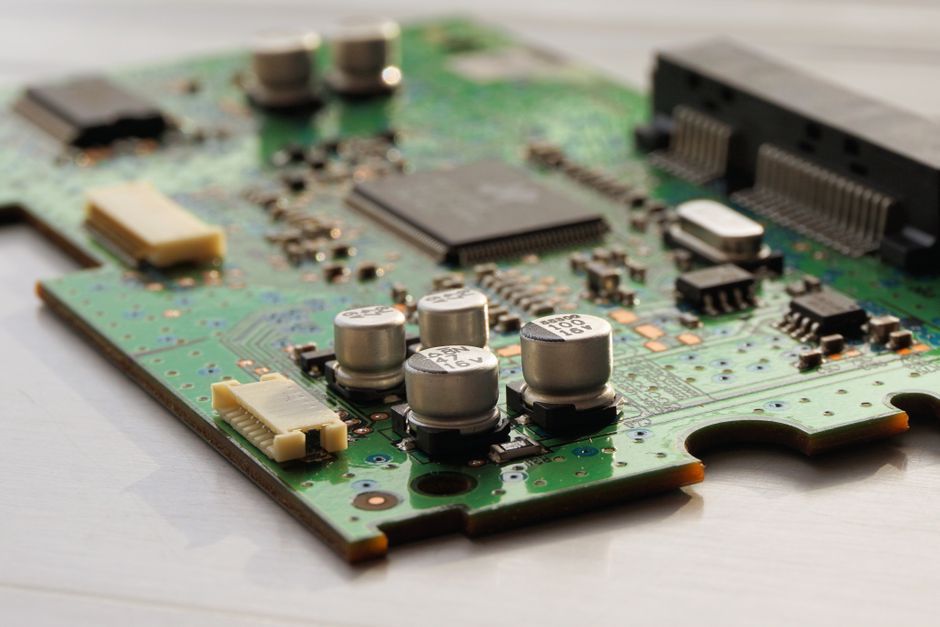
Stock photo for illustration only, not from the actual event
If you prefer the plain-English version of these rulescomplete with label photographs and crucial safety steps (keeping in mind that a capacitor can hold a dangerous electrical charge even after power is turned off)they originate from the HVAC Fitter capacitor guide. A practical worked example for a specific rating can also be found on their 45/5 MFD dual run capacitor specification page.
Translating physical engineering constraints and substitution rules into executable code (Rule-based Validation) eliminates human error prone manual data entry. By treating specifications as validation logic rather than static rows in a database, developers can effortlessly onboard thousands of new part numbers as mere data points, ensuring long-term system scalability and accuracy.
This exact same pattern applies smoothly to other HVAC components, such as contactors (evaluated by coil voltage and amperage), transformers (evaluated by VA and voltage ratings), and air filters (evaluated by nominal sizing dimensions). Once you encode the substitution rule a single time, every subsequent new part number simply becomes raw data processed by the rules engine.
Safety note: This guide focuses strictly on data modeling principles. If you intend to replace a physical capacitor yourself, you must turn off the power supply at the breaker box, disconnect the outdoor power switch, and safely discharge the capacitor beforehand, or alternatively hire a licensed HVAC technician to do the work.
Source: Dev.to
Found something wrong in this article? Report an issue with this article
Comments
Leave a Comment