

PS CEO on Running Private Terminal and Restraint
PS CEO Amina Belouizdad Porter discusses expanding private airport terminals, shorter service windows, and rethinking membership structures.

Stock photo for illustration only, not from the actual event
- PS operates private terminals at LAX, Atlanta, Dallas-Fort Worth, and Miami, with Paris upcoming.
- Services feature a strict window of about 90 minutes for departures and 17 minutes for arrivals.
- Pricing starts at $1,295 for the shared Salon and $4,850 annually for All Access membership.
- The brand strictly avoids in-salon brand sponsorships and marketing emails when members are not traveling.
Building a defensible business in premium travel requires more than luxury amenities; it demands years of regulatory groundwork and operational precision. PS has carved out a unique space in this sector by operating private terminals that allow commercial airline passengers to bypass public airport friction entirely, relying on a strict service window and years of accumulated trust.
Stepping into the PS private terminal in Los Angeles brings an immediate personal touch, as staff members instantly recognize returning guests and recall their previous preferences—a level of recall that modern hotels and exclusive clubs struggle to replicate.
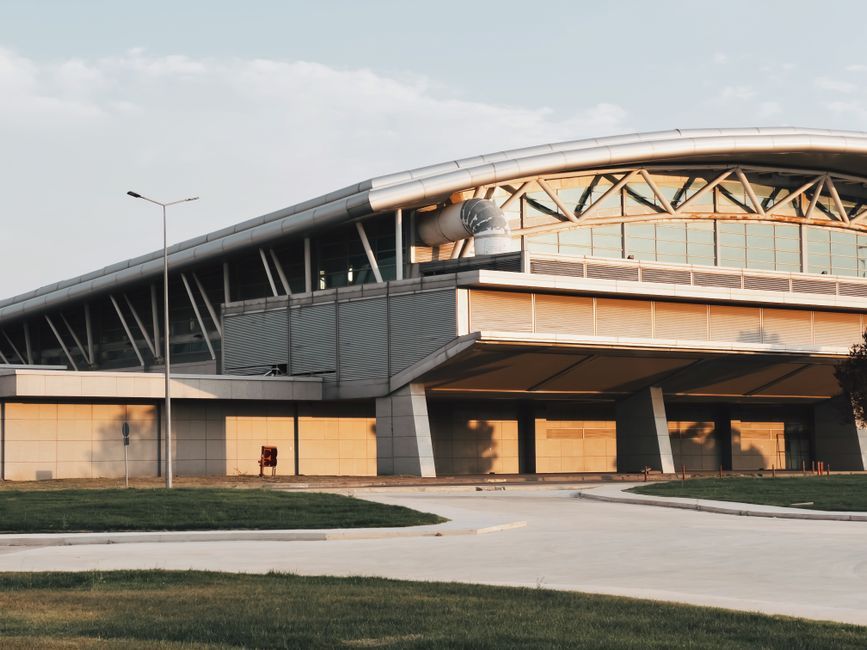
Stock photo for illustration only, not from the actual event
Amina Belouizdad Porter, CEO of PS, transitioned to the company from private equity and hotel development, bringing an investor's discipline and an operator's passion to the business. She oversees a complex operation designed to super-serve demanding clientele who value their time above all else.
Founded in 2017 as The Private Suite at LAX, the company expanded to Atlanta in 2023 and doubled its footprint this summer by opening locations in Dallas-Fort Worth and Miami, with Paris next on the horizon. Expansion is strategically tied to wealth concentrations and the availability of long-haul lie-flat seats.
The private terminal model highlights a growing shift in high-end travel where affluent passengers are willing to pay substantial fees to avoid crowded public checkpoints. The true barrier to entry lies in the complex web of regulatory approvals involving TSA, CBP, and airport authorities, giving established operators a massive head start over potential competitors.
"We consider the product-based membership architecture outdated and are reworking it."
Amina Belouizdad Porter
Belouizdad Porter outlines PS's defensibility across three main layers: operational and regulatory know-how, nearly a decade of customer trust, and a growing network of interconnected terminals. She notes that the company remains roughly nine years ahead of any potential market replicators while continuing to refine its membership model.
Source: Skift
Found something wrong in this article? Report an issue with this article
Comments
Leave a Comment