

UAE Hotels Target Short-Haul Travelers to Drive Recovery
Hotel operators in the UAE are turning to short-haul markets like India, China, and Russia to recover from travel disruptions and high airfares.

Stock photo for illustration only, not from the actual event
- UAE hotel operators are shifting focus to short-haul markets within a five- to six-hour flight radius.
- India, China, and Russia emerge as key source markets replacing long-haul visitors.
- Dubai international visitors dropped 44% to 6.97 million in the first eight months of the year.
- Luxury hotels cut rates and pushed long-term stays to bridge occupancy gaps.
Luxury hotels in the United Arab Emirates that traditionally relied on high-spending, long-haul guests have faced severe setbacks due to Middle East geopolitical unrest. Meanwhile, budget and midscale properties have demonstrated greater resilience by catering to a more diversified mix of regional and domestic arrivals.
Hotel operators across the UAE are now actively depending on travelers from short-haul markets such as India, China, and Russia to accelerate their recovery from the severe fallout of the U.S.-Iran war. Elevated airfares and high jet fuel prices continue to discourage long-haul visitors from making the trip.
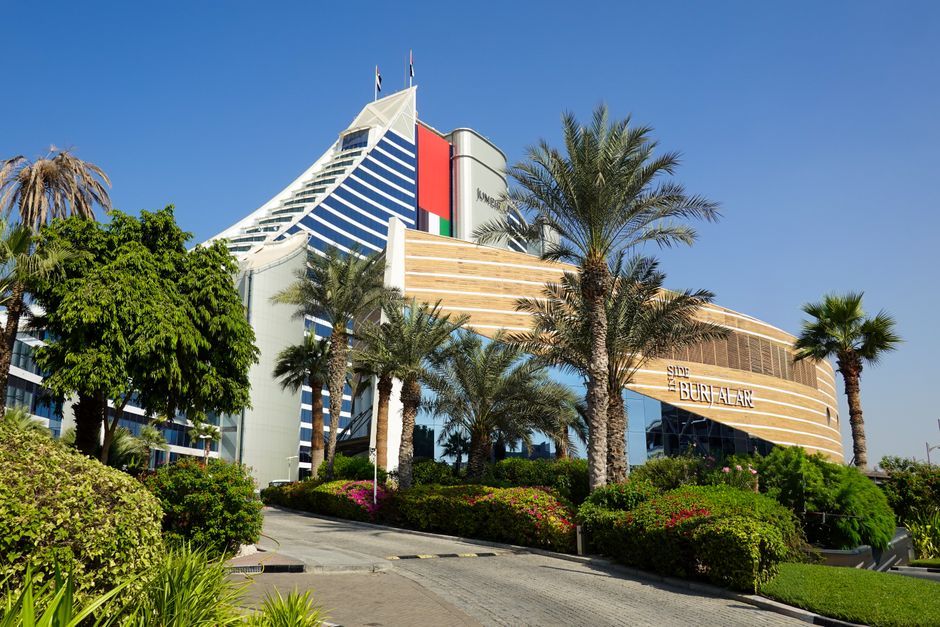
Stock photo for illustration only, not from the actual event
According to data from Dubai's Department of Economy and Tourism, international visitors to Dubai fell by 44% to 6.97 million during the first eight months of the year. Furthermore, CoStar reported that UAE hotel occupancy stood at 67.6% in September, marking a decline of 12.3 percentage points compared to the same period in the previous year.
Saurabh Tiwari, vice president for the Middle East, Maldives and Sri Lanka at IHCL, noted that accessibility and lower flight prices have made India their most dependable source market throughout the crisis. While luxury properties took the steepest occupancy hits due to long-haul exposure, midscale properties successfully maintained performance through domestic, regional, and corporate demand.
“We’re targeting short-haul markets like India, China, and Russia, that are a five- to six-hour flight away. Since jet fuel prices are more expensive than before, it is hard to expect people to come from long-haul markets like the Americas or Australia.”
Saurabh Tiwari, IHCL
To bridge the revenue gap, operators have implemented aggressive discounting and pushed for extended stays. Majestic Hotels reported that long stays now account for 25% to 30% of its business and anticipates fourth-quarter rates to be 15% to 20% lower than last year. Similarly, IHCL slashed room rates by up to 40% during the peak of the crisis and does not project business levels to return to 2025 benchmarks until the final quarter of 2027.
The strategic pivot by UAE hoteliers toward short-haul source markets highlights a broader structural adjustment in tourism resilience. By depending on geographically closer nations, operators can mitigate the immediate shock of volatile jet fuel prices and aviation disruptions. However, this shift also poses long-term pricing power challenges for luxury brands accustomed to high-yield travelers from Western markets.
Source: Skift
Found something wrong in this article? Report an issue with this article
Comments
Leave a Comment