

Skift Global Forum 2026: Traveler Connectivity Responsibility
At Skift Global Forum 2026, Holafly's Richard Trinder urged airlines and hotels to tackle connectivity gaps collaboratively.

Stock photo for illustration only, not from the actual event
- Smartphones serve as the essential control center for modern travel experiences.
- Connectivity failures negatively impact customer perception across every travel brand involved.
- Holafly advocates embedding eSIM technology directly into booking workflows and partner apps.
When a traveler touches down in a foreign country, their immediate instinct is to reach for a smartphone. Boarding passes, hotel addresses, ride-hailing apps, maps, payment tools, and messaging services all reside on the device, and every single one relies on an active internet connection. Without reliable network access, even routine parts of a trip can quickly unravel. A hotel might lose contact with an incoming guest, a ride-hailing platform could fail to link a passenger with a driver, and airline digital services might become entirely unreachable during a critical moment.
This core challenge was a focal point of discussion between Richard Trinder, senior director of strategic partnerships at travel eSIM provider Holafly, and Dan Marcec, intelligence editor at Skift, at Skift Global Forum 2026. Trinder emphasized that no single travel company controls an entire journey end-to-end, yet a connectivity failure directly stains the reputation of every brand associated with the trip. Addressing this vulnerability demands deeper partnerships and embedding connectivity directly into the travel experience from day one.
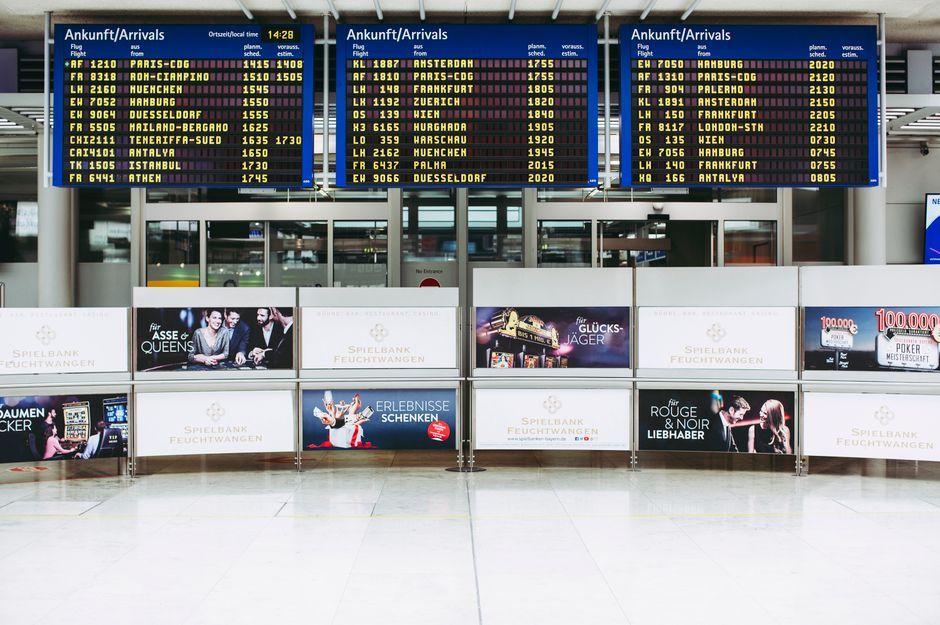
Stock photo for illustration only, not from the actual event
Trinder noted that smartphones have increasingly transformed into the primary control centers of our daily lives, housing digital identity documents, tickets, and financial tools. When a phone loses connectivity, a significant portion of the trip becomes inaccessible instantly. With boarding passes stored digitally, losing network access is nothing short of a crisis. Furthermore, consumers have spent decades growing accustomed to seamless, on-demand digital interactions, leading them to expect identical reliability when crossing international borders and switching network providers.
International travel transitions and airport networks remain notoriously vulnerable to connectivity drops and security gaps. By integrating eSIM capabilities directly into partner booking flows using APIs and software development kits, providers like Holafly are shifting away from traditional reseller models toward deeply integrated digital utility partnerships that protect travelers from sudden service blackouts.
"Today, the consumer has zero tolerance for friction."
Richard Trinder
Marcec compared connectivity to fundamental hotel amenities such as clean water and air conditioning—utilities travelers expect to function smoothly and only notice when they fail. Trinder agreed, describing connectivity as a basic modern necessity akin to the air we breathe and the water we drink. At Holafly, this philosophy drives a company-wide focus on delivering peace of mind, security, and safety by preempting potential network issues before they disrupt a trip.
Achieving this level of reliability requires close coordination across diverse entities that traditionally operate in silos. Airlines, hotels, booking platforms, and connectivity providers each govern a fraction of the journey, yet travelers expect absolute synergy. Acknowledging that no individual travel provider owns the end-to-end itinerary, Trinder stressed that collaborative joint business plans and technical integrations are mandatory to bridge the gap.
Source: Skift
Found something wrong in this article? Report an issue with this article
Comments
Leave a Comment