

Shigeru Miyamoto Becomes First Game Designer to Receive Japan's Order of Culture
Nintendo legendary developer Shigeru Miyamoto, 73, will receive Japan's highest cultural honor, the Order of Culture, presented by the Emperor next month as the first video game creator to achieve this.

Stock photo for illustration only, not from the actual event
- Shigeru Miyamoto, 73, will receive Japan's Order of Culture next month.
- He is the first video game developer ever to be awarded this highest cultural honor.
- The prestigious medal will be personally presented by the Emperor of Japan.
The video gaming industry has reached a monumental milestone as legendary Nintendo game developer and creator Shigeru Miyamoto is set to receive Japan's highest honor for cultural merit next month.
At 73 years old, Miyamoto makes history by becoming the very first video game developer to be awarded the prestigious Order of Culture. The distinguished medal is scheduled to be presented directly by the Emperor of Japan.
The Order of Culture (Bunka Kunshō) is one of Japan's highest national decorations, bestowed upon individuals who have made remarkable contributions to the arts, literature, science, or cultural development. Recognizing a video game creator alongside traditional national artists and Nobel laureates underscores the profound cultural and artistic legitimacy that interactive entertainment has achieved in contemporary society.
Miyamoto's prolific career has shaped the global entertainment landscape for decades through revolutionary franchises such as Super Mario, The Legend of Zelda, and Donkey Kong, defining the technical and creative standards of modern video games.
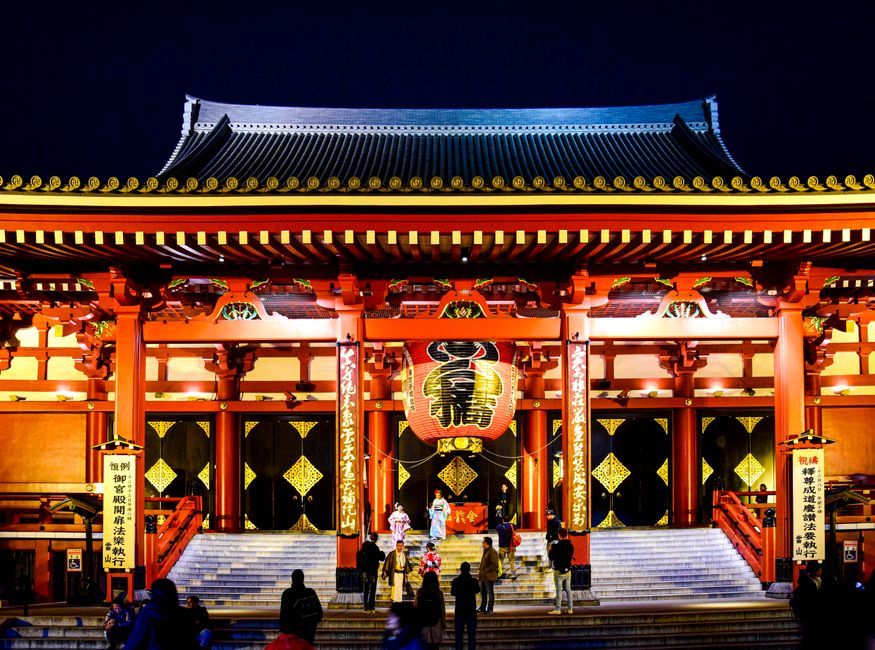
Stock photo for illustration only, not from the actual event
Source: IGN Movies
Found something wrong in this article? Report an issue with this article
Comments
Leave a Comment