

Storm Austen batters southern UK: Thousands lose power
Storm Austen hits southern England and Wales, leaving over 19,000 homes without power, disrupting travel, and causing a historic Brighton pier section to collapse.

Stock photo for illustration only, not from the actual event
- Storm Austen strikes southern England and Wales, cutting power to over 19,000 homes.
- Peak wind gusts reach 84 mph in Jersey, severely disrupting road and rail travel.
- A section of Brighton's historic abandoned West Pier collapses into rough seas.
- Met Office issues amber warnings as consecutive Storm Boelo approaches for the weekend.
The first named winter storm of the season, Storm Austen, has battered southern England and Wales with severe weather, causing widespread power outages that left more than 19,000 properties without electricity. The south-west region bore a heavy brunt with approximately 13,000 properties losing power. Local authorities responded by closing all schools on the islands of Jersey and Guernsey, while several schools in Cornwall delayed openings or shut down entirely.
The fierce storm unleashed destructive winds, recording gusts of up to 84 mph (135 km/h) in Jersey, while Guernsey experienced severe gale-force winds reaching 76 mph. Fallen trees blocked major roads and railway lines, departure boards at Exeter airport displayed numerous cancellations, and cross-channel ferry services between the UK and France were suspended, raising concerns over imminent fresh food shortages in the Channel Islands.
In Brighton, onlookers watched in shock as a portion of the iconic West Pier—an abandoned structure originally opened in 1866 and closed in 1975—succumbed to massive waves and plunged into the sea. Earlier in the week, holidaymakers were evacuated from a caravan park in Perranporth, Cornwall. Hannah Dawson-Turk, one of the evacuees, described the terrifying conditions, noting that the howling wind made it sound as though their accommodation was about to be torn apart.
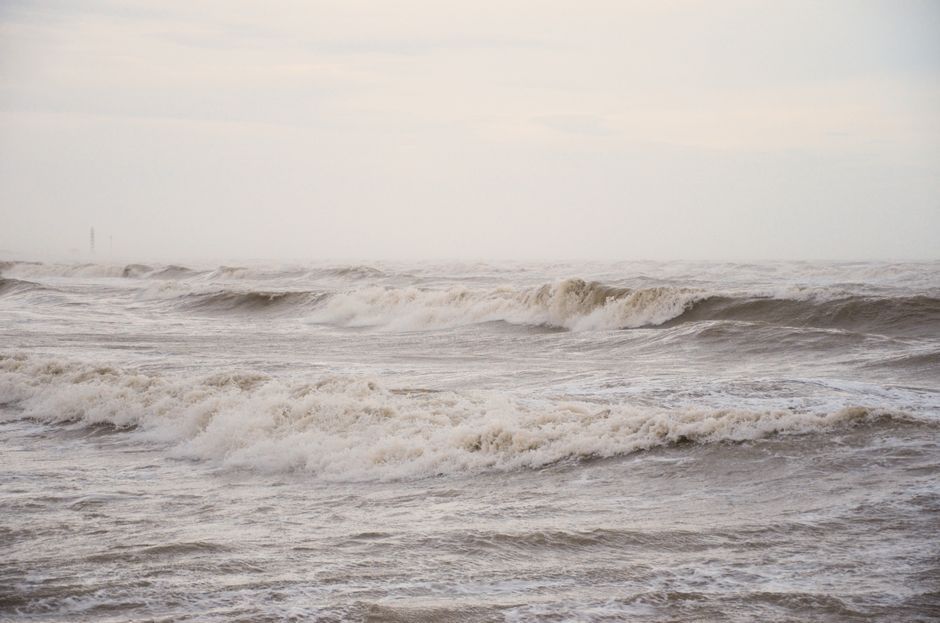
Stock photo for illustration only, not from the actual event
"The storm is very loud outside now, and the waves look huge from our windows."
Hannah Dawson-Turk
This severe weather event coincides with recent government guidelines urging households to stockpile three days' worth of bottled water and tinned food to prepare for potential crises, ranging from natural disasters to cyber-attacks. Just last month, the National Audit Office cautioned that Britain's food supply chain remains highly vulnerable to climate change threats and increasing security risks.
The arrival of back-to-back winter storms underscores the growing vulnerability of UK infrastructure to extreme weather events driven by climate shifts. Government advisories emphasizing household preparedness reflect a broader institutional push toward building localized resilience as severe weather becomes more frequent and intense.
Looking ahead, the Met Office has issued amber and yellow weather warnings as a second system, Storm Boelo, is forecast to bring further heavy rainfall and wind gusts of 60 to 80 mph across Scotland, northern England, and Northern Ireland through the weekend, threatening additional travel chaos and localized flooding.
The Met Office has urged the public to exercise caution while driving, secure outdoor belongings, and stay indoors in coastal areas as Storm Boelo follows closely on the heels of Austen.
Source: BBC Science & Environment
Found something wrong in this article? Report an issue with this article
Comments
Leave a Comment