

First personalised cancer vaccine cuts recurrence risk by 42%
A major clinical trial shows a new personalized skin cancer vaccine combined with immunotherapy cuts the risk of disease return or death by 42%.

Stock photo for illustration only, not from the actual event
- New personalised cancer vaccine combined with Keytruda cuts recurrence or death risk by 42%
- Reduces the risk of melanoma skin cancer spreading by 38% over a two-year period
- Utilises mRNA technology using patient tumour data to train the immune system
- Drugmakers MSD and Moderna plan to engage regulators for approval next year
A major clinical trial has revealed that a new personalised cancer vaccine, administered alongside a widely used immunotherapy drug, has reduced the risk of patients dying or their skin cancer returning by 42%. Researchers state that the findings could mark a crucial turning point in oncology, bringing personalised medicine significantly closer to reality.
The study also discovered that the new drug combination decreased the risk of melanoma, a form of skin cancer, spreading across the body by 38% over two years compared to immunotherapy alone. Manufacturers MSD and Moderna noted that the exact same approach is currently being evaluated against other tumors, including kidney, bladder, and lung cancers.
This novel approach targets cancer patients who have already undergone surgery to remove their primary tumors. During the trial, 1,137 adult participants received Keytruda, an established immunotherapy drug that assists the body's immune system in identifying and attacking malignant cells. Approximately two-thirds also received an experimental vaccine, while the remaining participants were given a placebo.
Named Intismeran, the vaccine leverages the identical mRNA technology utilised in certain Covid-19 shots. It is uniquely tailored to each individual patient, incorporating genetic information derived directly from their tumor to train the immune system to recognize cancer cells and target them if they reappear. Two years post-treatment, vaccinated patients demonstrated a significantly lower likelihood of melanoma recurrence or metastasis.
"The question is how much can we really demonstrate its worth and this trial was the first proof of principle."
Prof Corrie
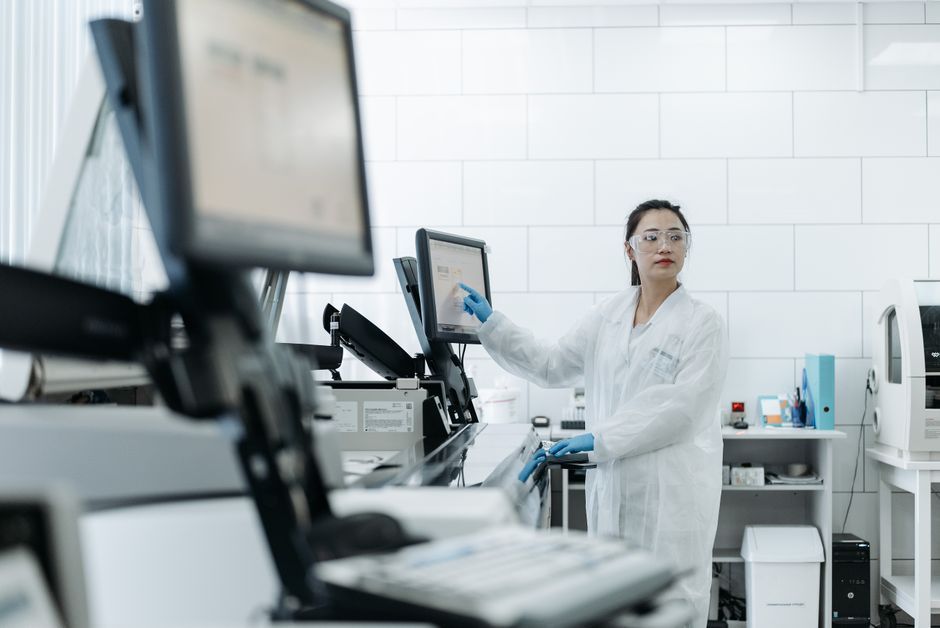
Stock photo for illustration only, not from the actual event
Professor Corrie collaborated with trial participants including 75-year-old Tony Chapman from Corby in the East Midlands, who was diagnosed with melanoma in 2019. After having his initial chest tumor removed, a lump subsequently emerged under his arm, signaling a cancer return that necessitated a secondary operation. He volunteered for the study, though participants remained blinded to whether they received the experimental jab or the placebo alongside immunotherapy.
Adapting mRNA technology for oncology represents a profound evolution from its initial deployment during the pandemic. The fundamental advantage lies in instructing the body to produce specific antigens tailored to an individual's unique mutational landscape, sparing healthy tissue from systemic toxicity. Nonetheless, widespread adoption will ultimately hinge on economic feasibility and genetic sequencing costs within healthcare systems.
Shares in manufacturers MSD and Merck surged following initial success hints during the summer, though investors experienced a sell-off after financial analysts noted results were slightly lower than a prior smaller trial. Both companies confirmed ongoing discussions with authorities to potentially file for regulatory approval as early as next year.
Source: BBC Health
Found something wrong in this article? Report an issue with this article
Comments
Leave a Comment