

Running a Team of AI Agents: Roles, Boundaries and Handoffs
Explore key design principles for multi-agent AI teams, managing role boundaries, handling reliable handoffs, and preventing agent workflow failures.

Stock photo for illustration only, not from the actual event
- Assign each AI agent a single job with defined inputs and verifiable outputs.
- Enforce role permissions through available tools rather than written instructions.
- Make every handoff explicit with attached artifacts and a maintained log.
- Cap coordinator agents with strict budgets and limits to prevent infinite loops.
Setting up a team of AI agents with specialized roles—such as a researcher, a coder, a reviewer, and a coordinator—is straightforward to demo. However, running such a system on real-world workloads for weeks reveals that the most significant challenges live in the handoffs between different roles rather than inside the agents themselves.
Every agent requires a single job description alongside clearly defined inputs and outputs. For instance, a role instructed to research competitors and return a summary with three sources is actionable, whereas a vague directive to help with marketing leaves everyone unable to verify the final output.
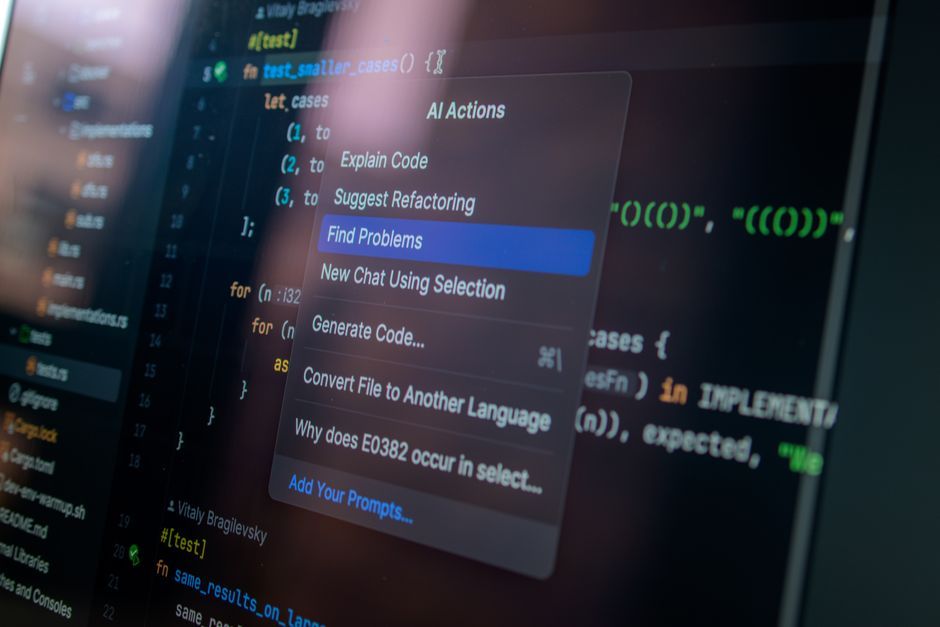
Stock photo for illustration only, not from the actual event
Output formats must be explicitly documented. A researcher delivering a structured table with a dedicated source column provides downstream agents with verifiable data, eliminating the guesswork associated with long essay responses.
Enforcing security boundaries via actual callable tools instead of text instructions is critical. Instructions can easily be ignored or misinterpreted by language models, whereas a tool that simply does not exist in an agent's environment cannot be invoked maliciously or by mistake.
Most system failures occur during handoffs between agents. Passing summaries instead of actual artifacts strips away vital detail, while passing artifacts without context forces the next agent to guess what matters. Explicit handoffs naming the artifact, the reason for movement, and verification criteria along with a log are essential.
Source: Dev.to
Found something wrong in this article? Report an issue with this article
Comments
Leave a Comment