

Rangsiman Rome Outlines 4+1 Day No-Confidence Debate
Rangsiman Rome, People's Party list MP, reveals a 4+1 day framework for the upcoming government no-confidence debate and questions the Ministry of Justice.

Stock photo for illustration only, not from the actual event
- Rangsiman Rome outlines a 4+1 day framework for the government no-confidence debate.
- Voting day and debate days are expected to be held separately for thoroughness.
- Klatham Party requests speaking time, requiring careful quota negotiations.
- Directly questions the Ministry of Justice regarding asset transfers involving Idea Suchada.
Rangsiman Rome, list MP and deputy leader of the People's Party, has disclosed the progress and trends regarding negotiations to establish a timeframe for the upcoming no-confidence debate against the government. Discussions with House Speaker Sophon Sarum have initially concluded that if the government side requests four days, the opposition is willing to accommodate within that four-day framework, provided that whips properly manage and allocate the operating hours.
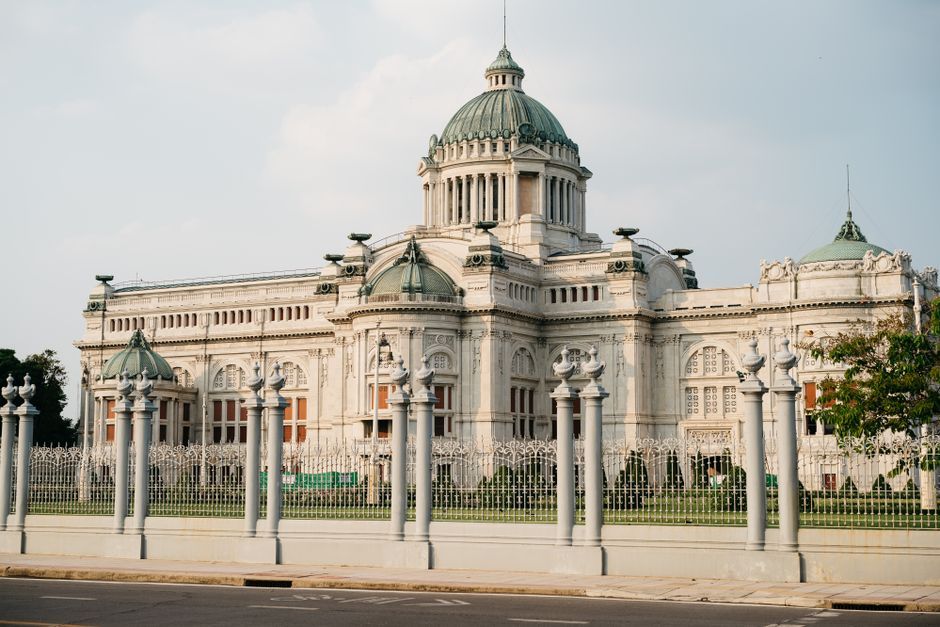
Stock photo for illustration only, not from the actual event
Aside from the core timeframe, Rome noted that another key variable is the Klatham Party's request for speaking time during the session. This requires further discussion to determine feasibility and whether the time should be drawn from the government's or the opposition's allocation. He emphasized that the duration will not follow the previous three-day or five-day formats, but will center firmly on a four-day framework and efficient hourly management.
A no-confidence debate is a vital parliamentary mechanism for holding the executive branch accountable. The "4+1" framework typically designates four days for substantive debate followed by a separate day dedicated solely to voting, ensuring lawmakers have adequate time to review information before casting their ballots. The involvement of smaller parties outside the main opposition bloc adds complexity to time management and requires rigorous negotiation.
Regarding the voting schedule, Rome expressed his view that the voting day and the debate days should not fall on the same date. Given the intense nature of the discussions and the critical issues raised, separating the voting process ensures transparency and allows members sufficient time to exercise their legislative duties properly.
Beyond parliamentary logistics, Rome also raised pointed questions directed at the Ministry of Justice concerning Suchada, also known as Idea. He publicly questioned whether the relevant authorities were deliberately waiting for asset transfers to take place first, a controversial point expected to generate intense scrutiny when the debate officially takes place.
Source: Khaosod Politics
Found something wrong in this article? Report an issue with this article
Comments
Leave a Comment