

Laurentide Ice Sheet expansion may have started 2,000 years ago
Research reveals tiny remains of the Laurentide Ice Sheet began expanding 2,000 years ago before climate changes halted the process.

Stock photo for illustration only, not from the actual event
- Tiny remains of the Laurentide Ice Sheet began expanding again
- The initial expansion process may trace back 2,000 years
- Human activity and global climate shifts ultimately canceled the growth
Recent scientific insights into Earth's climate history have uncovered fascinating details regarding ancient ice masses. Researchers found that the tiny remains of the Laurentide Ice Sheet, which once covered vast regions of North America, began to grow slightly larger once again.
This renewed growth phase did not originate in modern times. Scientific evidence indicates that the expansion process likely commenced as far back as 2,000 years ago, during a period when global conditions briefly favored the accumulation and buildup of ice masses following the last major glacial epoch.
The Laurentide Ice Sheet is among the largest ice masses in Earth's history. Studying its historical expansion and retreat cycles provides scientists with critical baselines for understanding how global temperature shifts trigger large-scale environmental responses and sea-level changes.
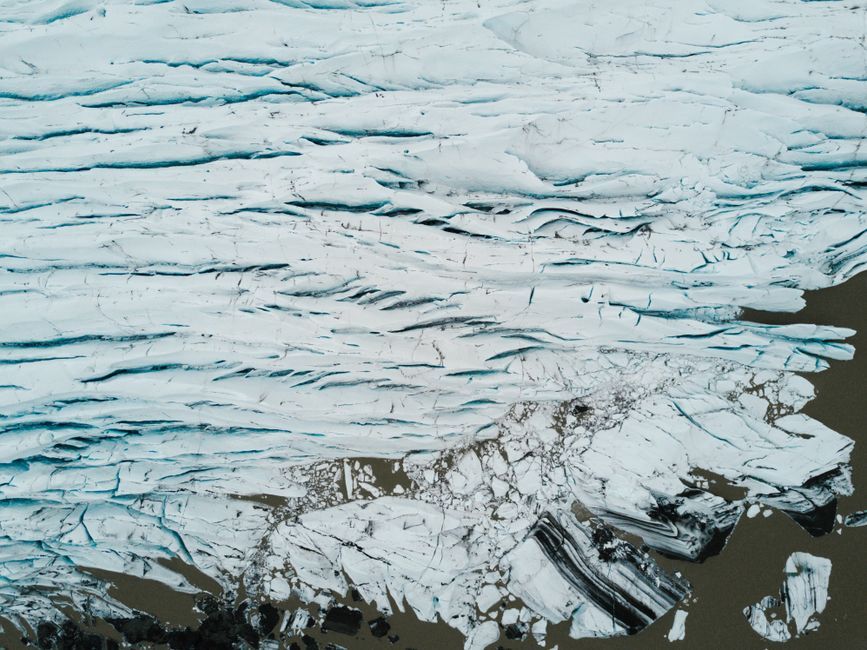
Stock photo for illustration only, not from the actual event
Nevertheless, the ice sheet expansion that started two millennia ago was not allowed to fully develop. Human-induced climate change and shifting global temperatures intervened, effectively halting the natural growth process and interrupting what might have been a major return of glacial expansion.
Source: Ars Technica
Found something wrong in this article? Report an issue with this article
Comments
Leave a Comment