

UK Budget 2024: Four Ways Labour Could Raise Funds Without Tax Hikes
The UK government considers raising taxes on banks, gaming machines, and online marketplaces to boost revenues without breaking income tax pledges.

Stock photo for illustration only, not from the actual event
- UK government fiscal headroom may have halved to around £11bn.
- Potential revenue options include higher taxes on banks and gaming machines.
- Online marketplaces could be made responsible for collecting merchant VAT.
- Labour maintains its manifesto pledge not to raise income tax rates.
The UK government is facing a significant fiscal challenge as it prepares its upcoming budget, with estimates suggesting that the government's cash buffer used to meet fiscal rules may have halved over the past six months, dropping from approximately £24bn to as low as £11bn. This contraction is partly driven by rising interest rates that the government must pay to borrow from private investors.
Chancellor John Healey may need to raise additional revenue to restore this financial buffer and demonstrate that the government's borrowing reduction plan remains on track. At the same time, he faces intense pressure to fund public spending on cost-of-living support and national defense.
However, the Labour Party's 2024 election manifesto explicitly pledged not to raise the rates of income tax, VAT, or National Insurance. While proposals such as increasing capital gains tax or extending a mansion tax were initially floated, government sources have since ruled them out.
According to BBC Verify, the Chancellor is considering alternative strategies ahead of Wednesday's budget announcement. One major target is the banking sector, which has enjoyed higher profits in recent years due to increased interest rates charged on borrowing.
Think tank Tax Policy Associates estimates that raising the surcharge on bank corporation tax from 3% to 5.5% could generate an additional £1bn to £2bn annually for the Treasury. While banks warn that higher taxes might deter investors and indirectly impact pension funds and consumer borrowing costs, the pressure remains high.
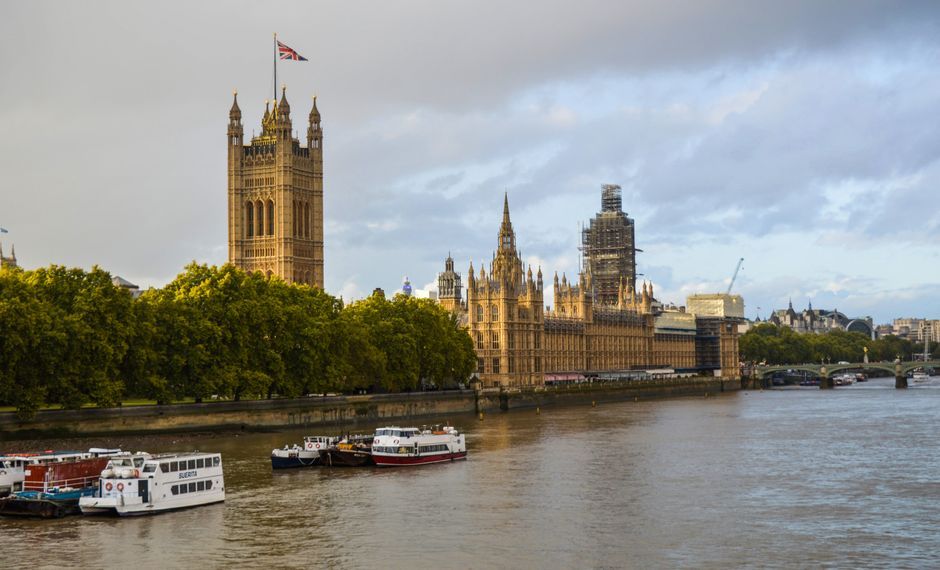
Stock photo for illustration only, not from the actual event
Navigating fiscal constraints without breaking core tax promises requires targeted structural interventions. By focusing on high-profit sectors like banking and addressing systemic leakage in online retail VAT, the Treasury attempts to secure essential revenues while shielding average wage earners from direct tax burdens.
Another focal point is the gambling industry. Former Prime Minister Gordon Brown has urged the Chancellor to hike taxes on electronic gaming machines found in betting shops, which offer payouts of up to £500 per game, citing mounting social harms. The Social Market Foundation estimates that doubling this tax from 20% to 40% could raise between £275m and £460m.
"Doubling the tax on gaming machines could raise significant revenue, though the industry warns it might force betting shop closures."
Social Market Foundation
Additionally, reports indicate that major online marketplaces including Amazon, eBay, and Temu will be held responsible for collecting VAT owed by third-party retailers. The Treasury currently faces a £12bn annual "VAT tax gap" driven by overseas sellers failing to comply with tax rules. Making platforms responsible for collection could raise around £1bn in extra revenue annually, with Amazon alone estimating a £700m contribution.
Despite these measures, the combined total of roughly £3.5bn a year falls short of the massive sums required to fully restore fiscal headroom and cover escalating welfare costs, which are projected to rise from £68bn this year to £81bn by 2031. Consequently, political debates continue over potential welfare spending cuts proposed by opposition parties.
Source: BBC Politics
Found something wrong in this article? Report an issue with this article
Comments
Leave a Comment