

Private Parking Code of Practice Introduced to Curb Unfair UK Charges
The UK government presents a new statutory Private Parking Code of Practice in Parliament to tackle unfair fines and soaring debt recovery fees.

Stock photo for illustration only, not from the actual event
- The UK government laid out a new statutory Private Parking Code of Practice in Parliament on Tuesday.
- The code caps maximum parking charges at 100 pounds, or 60 pounds if paid within a fortnight.
- Parking operators are still permitted to add a 70-pound debt recovery fee for unpaid charges.
- Motoring organizations AA and RAC welcomed the code while urging for further independent appeals processes.
Two years ago, Rosey was told to pay 1,906 pounds because she had taken too long to pay for parking at the Copeland Street car park in Derby. She had paid every single time and had bank records to prove it, but she unknowingly broke the rule requiring drivers to pay within five minutes of entering. Unable to afford the sum as she prepared to get married and buy her first home, her fiance asked the BBC for help.
The case was raised in Parliament by Derby North MP Catherine Atkinson, who described the fines as a five-minute rip-off charge. Although the parking sector subsequently banned the five-minute payment rule through its own code update, the government has now taken a further step by introducing a statutory Private Parking Code of Practice.
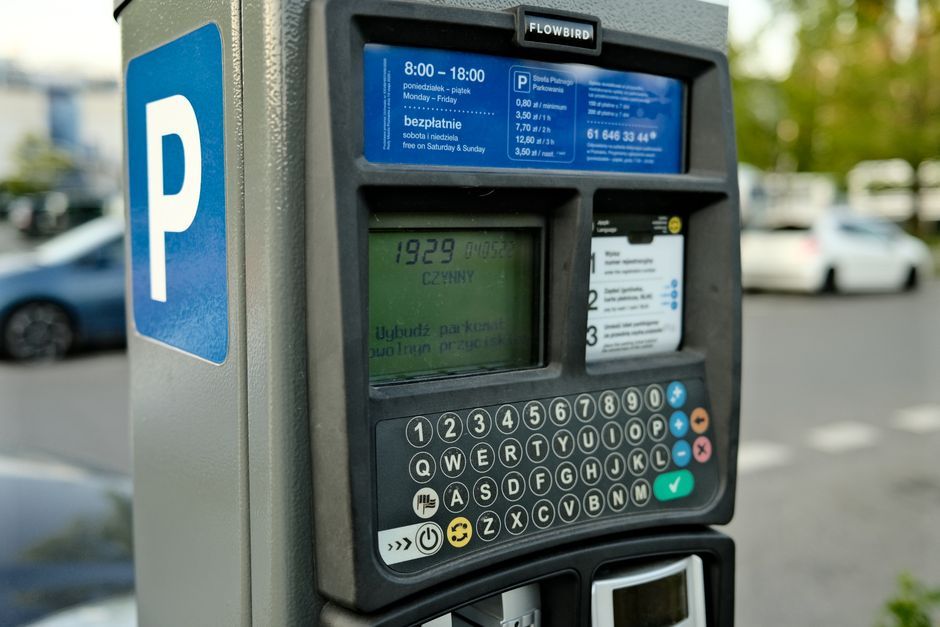
Stock photo for illustration only, not from the actual event
Laid out in Parliament on Tuesday, the government's new code establishes clear standards that parking operators must follow. Housing and communities minister Florence Eshalomi stated that the new code will provide drivers with essential rights and protections. The code is currently undergoing a 40-day parliamentary scrutiny period before officially coming into force 21 calendar days after being issued.
The introduction of the statutory Private Parking Code of Practice marks a significant shift in governmental oversight over private parking operators, transitioning rule-making power from private trade associations directly to the state. By tying enforcement to the potential loss of DVLA data access, the government aims to give real teeth to penalties against rule-breaking firms, addressing long-standing criticisms from campaigners about the lack of practical accountability in the private parking sector.
In several aspects, the government code mirrors the existing private parking sector code, including the five-minute consideration period and the ten-minute grace period after a permitted stay. The maximum parking charge remains at 100 pounds, or 60 pounds if paid within a fortnight, with mandatory reductions to 20 pounds under specific appeal circumstances such as entering an incorrect vehicle registration.
"Up until now, the private industry have held the pen on changing the code of practice. Now the pen is firmly in the hand of the government."
Jack Cousens, head of roads policy at the AA
While motoring groups like the AA and RAC welcomed the statutory code, they believe it does not go far enough. Concerns remain regarding debt recovery fees, which can spiral and lead to County Court Judgments—the very mechanism that resulted in exorbitant bills for drivers like Rosey and Hannah Robinson. The government has stated it will consult next year on whether to cut or scrap the existing 70-pound debt recovery fee cap entirely.
Source: BBC Business
Found something wrong in this article? Report an issue with this article
Comments
Leave a Comment