

George Russell Relieved Mercedes Solved Power Unit Issue Ahead of Hungarian GP
Mercedes driver George Russell reveals the team discovered and resolved a power unit issue hidden within the electrical energy system just in time for the Hungarian Grand Prix.
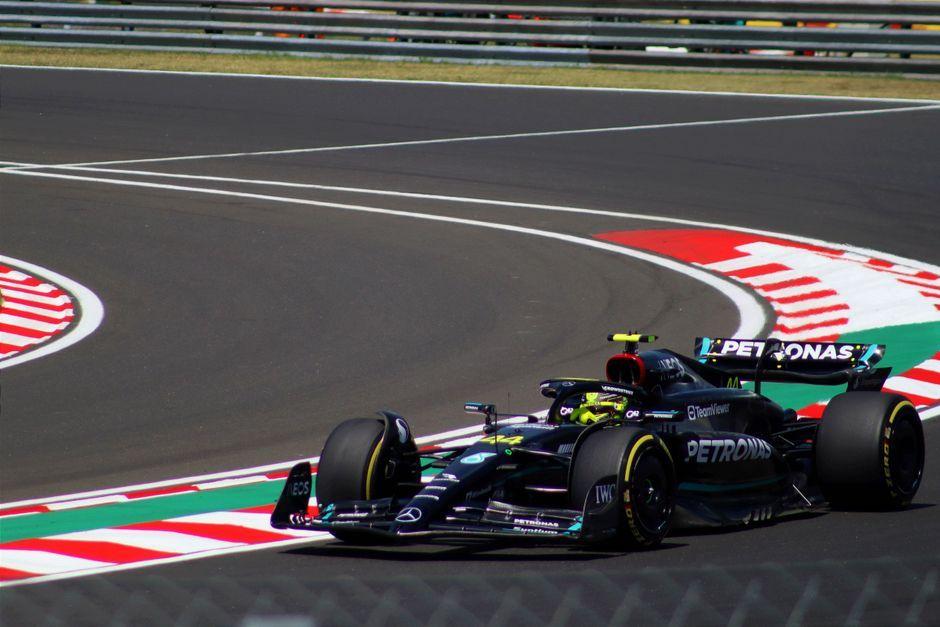
Stock photo for illustration only, not from the actual event
- George Russell trails teammate Kimi Antonelli by 50 points heading into the Hungarian Grand Prix.
- Mercedes has fixed the electrical power deficiency at the end of the lap and out of the first corner from Belgium.
- This issue cost Russell half a second in qualifying and caused the collision with Lewis Hamilton.
- Russell stated the problem stemmed from complex calibration code that was difficult to detect.
Mercedes driver George Russell heads into this week's Hungarian Grand Prix trailing teammate Kimi Antonelli by 50 points, following his first-lap retirement at the Belgian Grand Prix last week due to a collision with Lewis Hamilton.
That incident doubled the points gap after Antonelli won the race—his sixth victory out of 10 rounds this season—even though Russell had previously managed to slash the deficit from 66 points down to 25 over three races in Spain, Austria, and Britain.
Over the weekend in Belgium, Russell battled a series of engine-related issues that hampered his performance. During the break between Belgium and Hungary, Mercedes successfully diagnosed the cause of Russell's electrical power deployment deficit at the end of the lap, which cost him about half of the 0.5-second gap to Antonelli in qualifying.
During the race itself, both drivers suffered a similar lack of electrical power when accelerating out of the first corner following the start. However, due to differing circumstances, Antonelli was less affected because he had to lift off the throttle entering Eau Rouge under pressure from Red Bull driver Max Verstappen, and that lift reset the system, giving him electrical power for the subsequent straight.
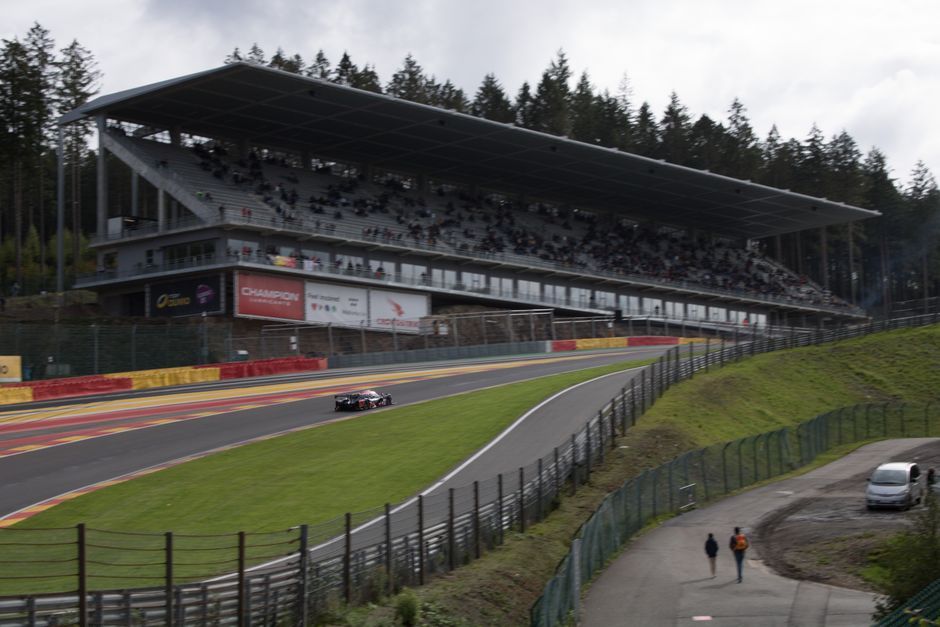
Meanwhile, Russell took Eau Rouge flat-out, meaning the power deficiency left him vulnerable, leading to him being hit by Hamilton at the chicane shortly after.
"These are new power units of extreme complexity, and there are things buried deep within the calibration and the code that are almost impossible to see unless you know what you are looking for. So I am glad we found it."
George Russell
The lingering impact of the energy management issues in Spa meant Russell spent time troubleshooting rather than focusing on other areas. Nevertheless, Russell noted that following the Monaco race, he adjusted his driving style in Spain and Austria, leaving him feeling that he made a fantastic step forward by taking pole position at both venues and winning in Austria.
Modern power units in Formula 1 rely heavily on hybrid systems and electrical energy recovery (MGU-K and MGU-H). Software tuning and energy management are therefore highly sensitive, and even a minor error in calibration code can severely impact driving rhythm and defensive positioning on track.
As for the race in Hungary, the track layout differs entirely from Spa and Silverstone and might appear to favor Ferrari given their strong cornering performance, though both Lewis Hamilton and Charles Leclerc have played down their expectations despite winning two of the last four rounds. Meanwhile, McLaren is preparing a major upgrade this week to push the team back to the front, but Lando Norris remains cautious about his team's chances.
Source: BBC Sport
Found something wrong in this article? Report an issue with this article
Comments
Leave a Comment