

Repurpose Stock Assets With Two Python Stdlib Scripts
Learn how to automate CSV metadata formatting and prevent duplicate uploads across Adobe, Vecteezy, and Dreamstime using Python standard libraries.

Stock photo for illustration only, not from the actual event
- Avoid instant platform rejections using automated CSV generation scripts
- Prevent accidental duplicate uploads with a lightweight 40-line ledger
- Maintain a disciplined project folder layout for long-term digital asset scaling
- Run efficient automation workflows on a minimal 1 vCPU and 2 GB RAM server
Stock creators often face rejections due to paperwork errors rather than poor artistic quality. One developer recently shared an experience where three vector batches were rejected in a single afternoon simply because the CSV headers contained six columns instead of five for Adobe, or had mismatched column orders for Vecteezy. Stock platforms rely on strict automated filters that inspect files instantly before any human reviews the actual artwork.
To solve the challenge of repurposing a single JPG asset across Adobe, Vecteezy, and Dreamstime without maintaining conflicting file formats manually, developers can utilize a lightweight Python script named make_metadata.py. Relying exclusively on the Python standard library with no external pip installations required, this script scans asset folders, converts filenames into default titles, and outputs the exact CSV column counts demanded by each specific platform.
Beyond incorrect headers, another critical pitfall in batch uploading is accidentally submitting duplicate files, which risks triggering account reviews and flags. The upload_tracker.py script is a compact 40-line ledger designed to prevent this by tracking completed uploads inside a simple flat file. By executing a quick pending items check prior to every upload batch, creators can ensure a clean operational record without needing complex database systems.
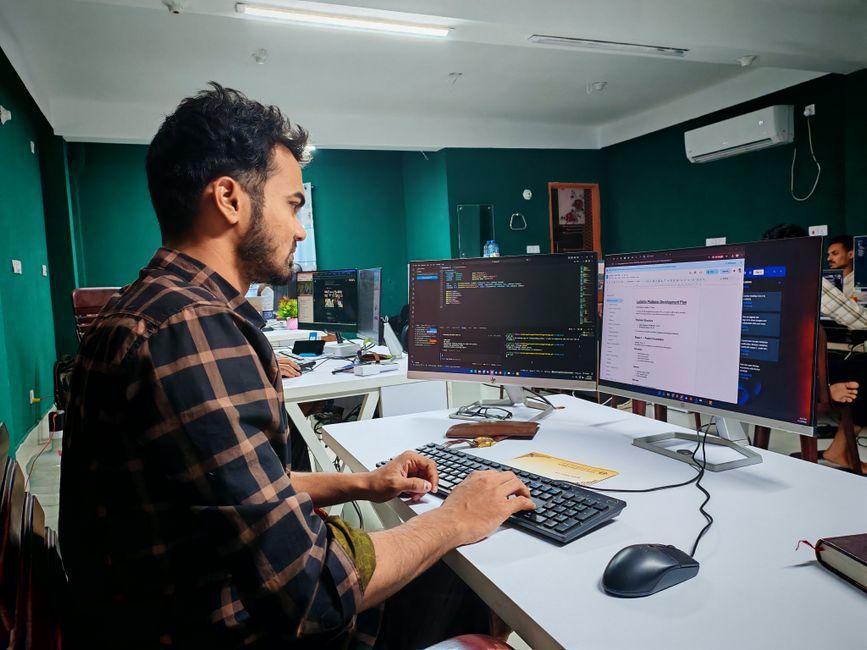
Stock photo for illustration only, not from the actual event
"The pipeline doesn't make the money for you. What it does is remove the paperwork failures, the wrong header, the duplicate post, the broken zip..."
Revanzart
Leveraging Python standard libraries for workflow automation represents a robust architectural approach for solo creators handling high-volume digital asset distribution on modest hardware. Eliminating manual data entry drastically reduces human error, allowing creators to focus entirely on artistic quality and content volume rather than tedious formatting tasks.
Establishing a disciplined folder structure is equally vital to prevent project directories from degrading into disorganized digital clutter. Keeping dedicated folders for raw files, submission-ready packages, final product zips, and permanent research notes ensures that all raw materials remain accessible for future product iterations, even when operating smoothly on a minimal 1 vCPU and 2 GB RAM server environment.
Source: Dev.to
Found something wrong in this article? Report an issue with this article
Comments
Leave a Comment