

Antarctic channel named after former BBC science reporter
A newly formed channel in Antarctica has been named Amos Channel to honour former BBC science correspondent Jonathan Amos after his 38-year career.

Stock photo for illustration only, not from the actual event
- An Antarctic channel is named after former BBC science correspondent Jonathan Amos.
- The geographic feature formed after an ice chunk connecting two islands disintegrated.
- Amos covered polar science for 38 years without ever visiting the continent.
A newly formed geographic feature in Antarctica has been officially named Amos Channel in honour of Jonathan Amos, a veteran science journalist who dedicated 38 years of his career reporting for BBC News before stepping down in 2024.
The newly designated channel is located between Rothschild Island and Alexander Island in the western region of the continent. This waterway emerged after a massive chunk of ice that previously connected the two islands completely disintegrated.
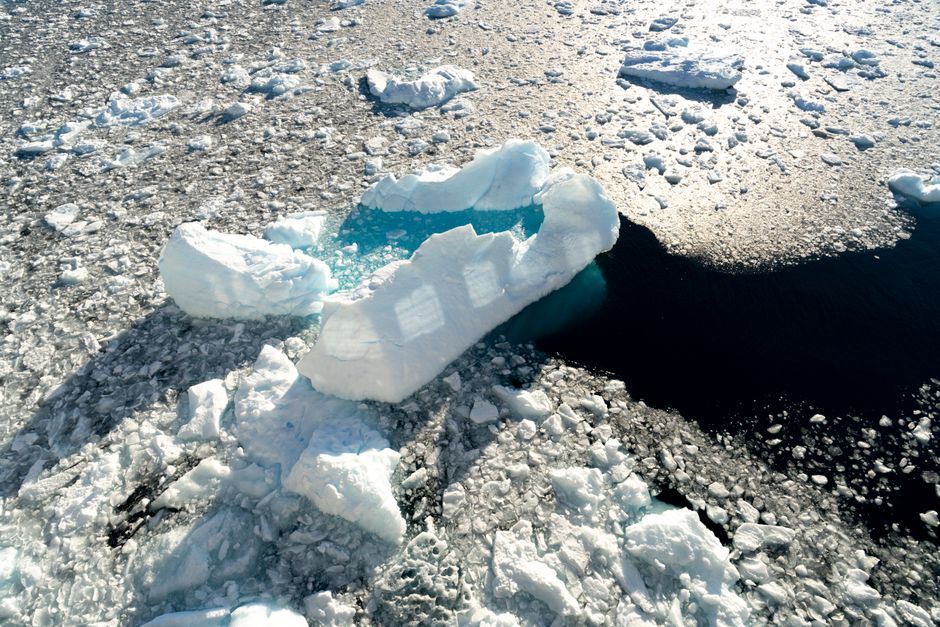
Stock photo for illustration only, not from the actual event
The naming of geographical features in Antarctica follows exceptionally strict protocols. The Amos Channel was officially recommended by the UK Antarctic Place Names Committee, which oversees locations within the British Antarctic Territory. Honoring a journalist in this manner highlights the immense value of bridging complex scientific research with public understanding.
Throughout his extensive career at the BBC, Amos spearheaded coverage on critical polar science topics, ranging from melting ice sheets and shifting penguin colonies to an exclusive report on the historic discovery of Sir Ernest Shackleton's lost ship, the Endurance.
"Antarctica is the front line of the biggest news story on planet Earth - climate change."
Jonathan Amos
Despite writing extensively about the frozen continent from his news desk throughout his career, Amos has never actually travelled to the South Pole. He noted that having a landmark named after him serves as a wonderful incentive to finally visit the region in person.
Source: BBC Science & Environment
Found something wrong in this article? Report an issue with this article
Comments
Leave a Comment