

Burnham faces criticism over plans for mayors to get share of income tax
The UK government is facing backlash over its proposals to let regional mayors retain a share of income tax and business rates, sparking debate over economic inequality.
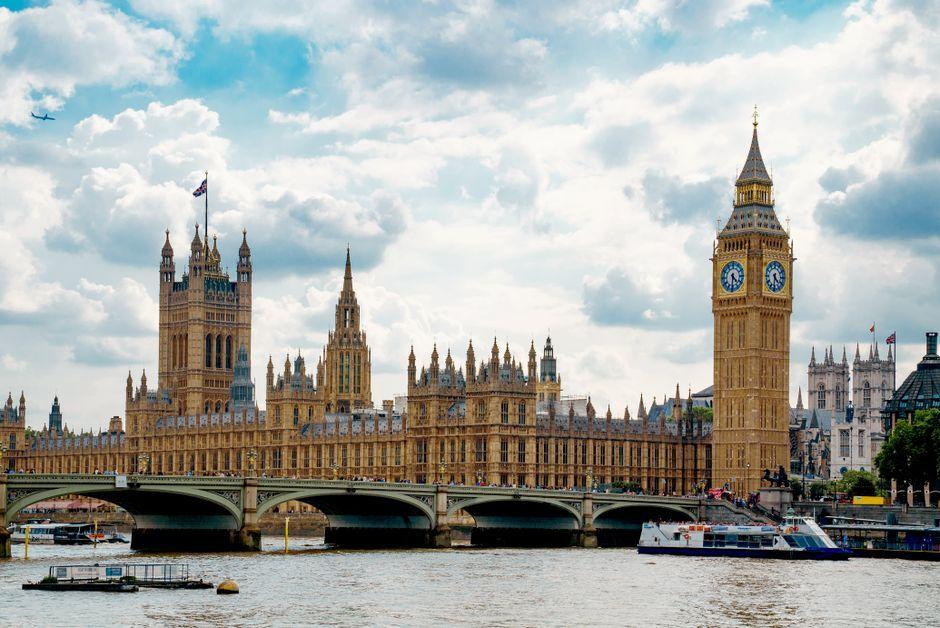
Stock photo for illustration only, not from the actual event
- Government plans to let regional mayors keep a share of business rates and income tax
- Business rates retention expected in April 2027, followed by income tax in April 2028
- Lord Houchen argued for tax rebates, which Andy Burnham firmly rejected
- Backbenchers and opposition parties warned that weaker economies could lose out
The UK government is facing criticism over its controversial plan to allow regional mayors in England to retain a share of income tax and business rates. Andy Burnham stated that the proposals, expected to be phased in starting next April, will grant metro mayors the powers to invest these funds directly into public services within their communities.
The prime minister described the initiative on Friday as representing the largest shift of power out of Whitehall and Westminster to regions across the UK. However, Conservative Tees Valley Mayor Lord Houchen argued that he should be given the ability to offer local taxpayers a tax rebate instead.

Stock photo for illustration only, not from the actual event
First Secretary of State Louise Haigh told the BBC that there is currently no mechanism in place enabling mayors to offer such rebates. Burnham later explicitly rejected the rebate concept, telling reporters that the reforms are not designed to turn local leaders into mini-chancellors of the exchequer who undermine personal finance policy.
Devolution of fiscal powers has long been a central debate in English local governance. Strategic authorities in England have traditionally relied heavily on central government grants for their funding. Shifting tax revenue collection to regional mayors aims to increase local autonomy and financial accountability, though it continuously raises concerns about widening the gap between prosperous metropolitan hubs and economically disadvantaged regions.
Under the current framework, English strategic authorities receive most of their funding through central grants. Mayors are projected to begin retaining revenue from business rates starting in April 2027, and receive a portion of income tax starting in April 2028, with overall income tax rates remaining unchanged. Chancellor John Healey is scheduled to outline further details during his first Budget delivery on October 28.
Tracy Brabin, the Labour mayor of West Yorkshire, voiced support, stating that regional income tax proportions allow residents to see and feel the real benefit of their labor. Nevertheless, internal concerns remain within the Labour Party. Sean Woodcock, a Labour backbencher and MP for Banbury, noted that while he supports the policy, central government redistribution remains essential to support poorer areas.
"If you want to close the gap between the areas that are affluent with the ones that are less so, the ones that are less so need more support, more help, and that means redistribution, frankly, from the centre."
Sean Woodcock
Source: BBC Politics
Found something wrong in this article? Report an issue with this article
Comments
Leave a Comment