

Pheu Thai: No company can monopolize Thai basil
Mp Chayapa Sinthurpai clarified on Oct 27, 2026, assuring citizens that growing and selling holy basil remains unrestricted without needing permits.

Stock photo for illustration only, not from the actual event
- Pheu Thai assures citizens can grow and eat basil normally without permits
- General basil varieties are exempt from plant variety protection rights
- CP Land only registered four specific Kaeo Churi strains 01-04
On October 27, 2026, Ms. Chayapa Sinthurpai, MP for Roi Et and Deputy Spokesperson for the Pheu Thai Party, addressed public concerns regarding the registration of plant variety protection for basil. The party closely monitored the issue to provide clear facts and reassure the public across the country.
The party clarified that standard basil found in local markets and home gardens can be freely cultivated, consumed, and traded without any requirement for permits or royalty fees. These traditional varieties are entirely distinct from the specifically registered strains, meaning local and native basils are not covered by any monopoly.
The Plant Variety Protection Act B.E. 2542 is designed to protect research efforts and incentivize breeders to develop superior, resilient agricultural strains. Legal protection strictly applies to newly developed proprietary varieties rather than traditional indigenous plants historically cultivated by farmers.
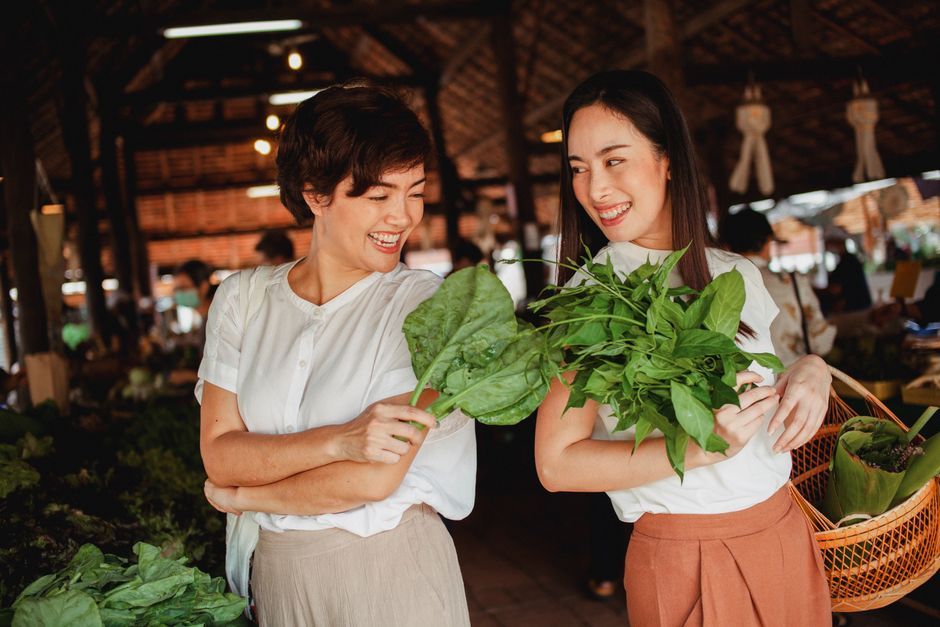
Stock photo for illustration only, not from the actual event
Regarding the registrations under the Plant Variety Protection Act B.E. 2542, CP Land registered four specific strains named Kaeo Churi 01 to 04 since 2024, which carry a protection period of 12 years. An additional strain was developed by Kasetsart University, confirming that protection is strictly limited to these designated varieties.
Source: Khaosod Politics
Found something wrong in this article? Report an issue with this article
Comments
Leave a Comment