

Emma Sicher 2026: Biodesigner Grows Biomaterials From Berries
Berlin biodesigner Emma Sicher develops microbial cellulose from local fruit and SCOBY into edible prototypes and compostable packaging in 2026.

Stock photo for illustration only, not from the actual event
- Emma Sicher grows microbial cellulose from wild berries and microorganisms.
- The EATING SCOBY project features edible prototypes like chips and ice cream cones.
- Research published in 2026 uses wild rowan berries and mirabelle plums.
- Her earlier From Peel to Peel project turned fruit scraps into biodegradable wrappers.
Berlin-based biodesigner Emma Sicher is experimenting with materials grown by bacteria and yeast, transforming microbial cellulose into everything from translucent packaging to edible food prototypes. Some of her samples resemble crinkled pieces of pink glass, while others form glossy, gelatinous spheres. Their unusual colors and textures emerge through fermentation, a natural process in which microorganisms help produce the material itself.
At the center of her practice is SCOBY, a symbiotic culture of bacteria and yeast commonly associated with kombucha. As microorganisms grow in a nutrient-rich liquid, cellulose-producing bacteria form a gelatinous membrane at the surface. This can be harvested and processed into flexible sheets, or developed into different forms for food and material applications.
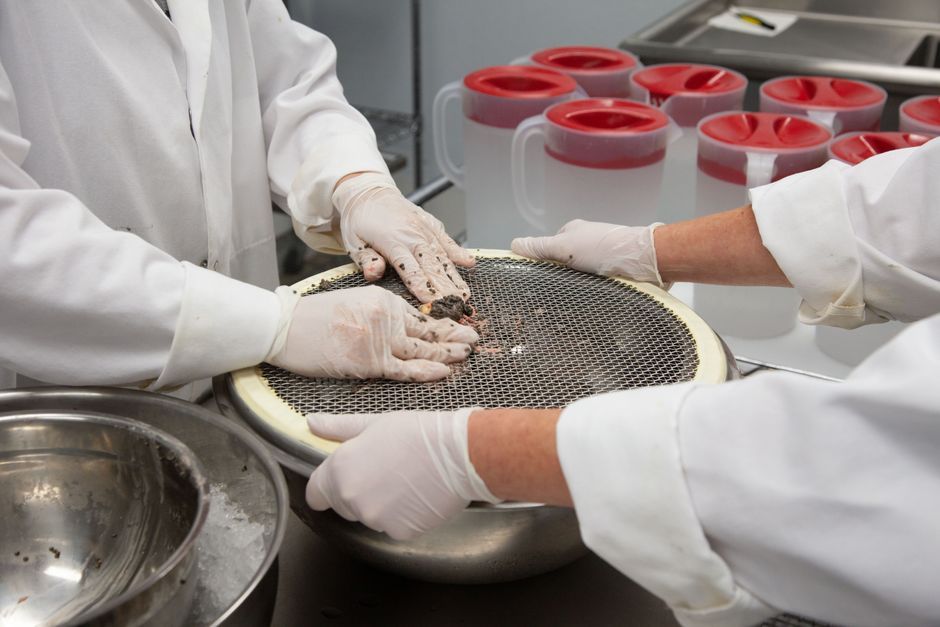
Stock photo for illustration only, not from the actual event
Emma Sicher’s EATING SCOBY project explores the culinary possibilities of this cellulose-rich membrane. Developed during her MA in Eco-Social Design, the research involved food microbiologists and consultation with chefs. Among the prototypes are SCOBY chips that begin crunchy before becoming chewy and slightly gelatinous in the mouth. An experimental ice cream cone offers another application, with the possibility of an inner coating of melted chocolate.
Microbial cellulose represents a major frontier in sustainable materials and bio-design, offering an alternative to petroleum-derived plastics by relying on natural biological growth. However, a key technical challenge in this field is moisture absorption, which can limit the durability of these materials when exposed to wet foods. Research by designers like Emma Sicher highlights both the immense creative potential and the ongoing material science challenges of integrating living organisms into industrial design pipelines.
A double-flavor popsicle takes the material in a different direction, with a consistency the designer compares to blended aloe vera. These familiar food formats make the unusual ingredient easier to imagine on a plate, while introducing new possibilities for its texture and presentation. The prototypes remain experimental, exploring how microbial cellulose might become part of future food systems.
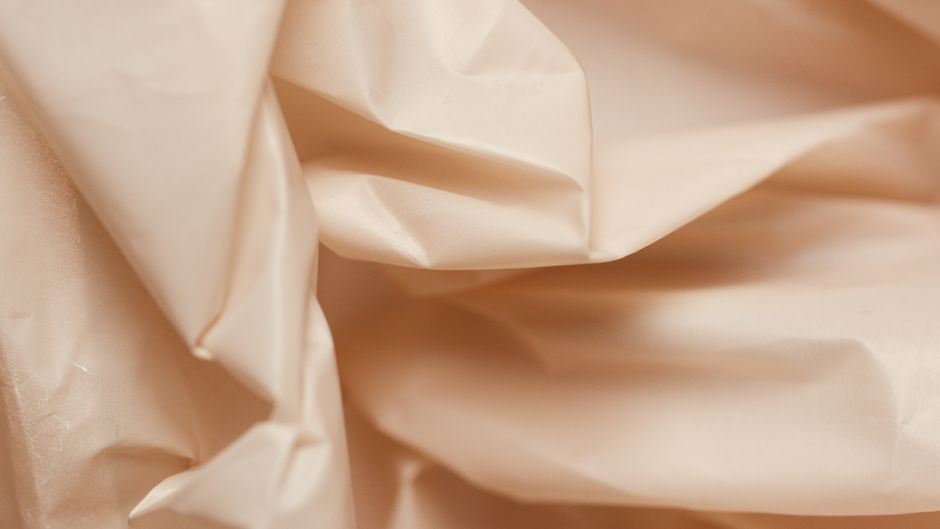
Sicher first explored bacterial cellulose in her 2017 project From Peel to Peel, which proposed biodegradable food packaging grown from discarded fruit and vegetables. Apple peels and beetroot scraps became nutrients for microbial cultures, producing thin sheets that could be dried into wrappers and small containers. The packaging took on different colors depending on the ingredients, ranging from pale yellow to deep pink.
Stock photo for illustration only, not from the actual event
More recently, Sicher has begun investigating how materials can be grown using microorganisms already present in the surrounding environment. In research published in 2026, she describes experiments with rowan berries foraged around Berlin and mirabelle plums collected in Brandenburg. Both successfully produced cellulose membranes through fermentation using naturally occurring microbial communities, without conventional kombucha starter cultures. Her research also draws on fermentation practices she studied with local practitioners in Thailand.
Sicher also brings microbial experimentation into educational workshops, where participants learn to prepare plant infusions and cultivate their own SCOBY membranes. Across these experiments, Sicher works with processes that depend on the behavior of other living organisms, allowing the surrounding ecology to participate directly in the design process.
Source: designboom
Found something wrong in this article? Report an issue with this article
Comments
Leave a Comment