

Nanotyrannus skeleton auctioned for $47.3m in New York
A newly-identified Nanotyrannus dinosaur skeleton named Jodi sold at a New York auction for $47.3 million amid growing debate over private fossil sales.

Stock photo for illustration only, not from the actual event
- A rare Nanotyrannus dinosaur skeleton was sold at auction in New York for $47.3 million.
- The winning bidder remains anonymous following a 12-minute bidding war among six parties.
- The fossil was unearthed in Montana and previously helped resolve a major scientific classification debate.
- Researchers have expressed concern that private ultra-rich fossil collecting could harm scientific research.
The mounted skeleton of a newly-identified dinosaur once misidentified as a young Tyrannosaurus rex has fetched a massive $47.3 million, equivalent to £35.5 million, at an auction held in New York, United States. The high-stakes sale attracted six interested parties and concluded after a tense 12-minute bidding war, though the identity of the successful buyer has not been publicly revealed.
Known as 'Jodi', the specimen was originally discovered on the private land of rancher Jodi Pierson within the Hell Creek Formation, a heavily studied geological site located in the US state of Montana. The fossil was subsequently excavated by commercial palaeontologist Clayton Phipps.
The discovery of the fossil tied to the 'Dueling Dinosaurs' find played a critical role in research published by Lindsay Zanno and James Napoli. Their published study officially classified Nanotyrannus as a distinct genus separate from T. rex, effectively ending decades of debate within the scientific community over whether the two dinosaurs were truly different.
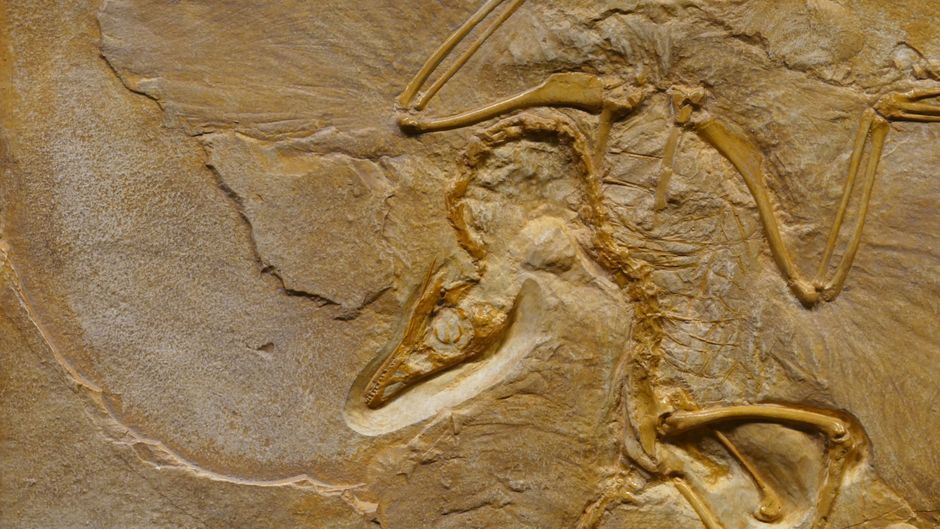
Stock photo for illustration only, not from the actual event
However, the auction of 'Jodi' has surfaced fresh warnings from researchers who caution that such high-profile sales could signal the dawn of a new era where invaluable fossils are hoarded by the ultra-wealthy.
The commercialization and private ownership of scientifically significant dinosaur fossils remain a deeply contentious issue within palaeontology. When critical specimens disappear into private collections, researchers and public museums are often blocked from conducting further analysis or public education. While proponents argue that private sales help fund the expensive and painstaking excavation process, scientists maintain that heritage specimens belong in public institutions for open study.
Following the earlier sale of a dinosaur named 'Gus', researchers told the BBC that such remains ought to be exhibited in public spaces to allow free academic access. Experts previously voiced hope that commercial fossil sales would not become a widespread trend, warning of potential adverse impacts on both scientific research and public education.
Source: BBC Science & Environment
Found something wrong in this article? Report an issue with this article
Comments
Leave a Comment