

Philippines Travel Tax Repeal 2026: Funding Gap Risks
The Philippine Senate plans to scrap its 50-year-old travel tax by late 2026 following House approval, risking a 95% revenue drop for TIEZA without replacement funds.

Stock photo for illustration only, not from the actual event
- The Philippine Senate aims to pass the Travel Tax Abolition Act by year-end after House approval on March 16.
- TIEZA warns that 95% of its operations are at risk due to a lack of replacement funding in the national budget.
- The outbound travel tax raised 8.7 billion pesos in 2025, splitting funds between TIEZA and educational programs.
- Hotel associations oppose the repeal, arguing it drives spending abroad while stalling domestic tourism projects.
The Philippine Senate remains on course to abolish the country's nearly 50-year-old tax on overseas travel before the end of 2026, as Senate President Win Gatchalian confirmed in August. This follows the House of Representatives passing the Travel Tax Abolition Act on March 16, which has also been listed among the priority legislative measures of President Ferdinand Marcos Jr.
The levy requires Filipinos traveling abroad to pay 1,620 pesos or approximately 25 dollars per outbound trip, scaling up to 2,700 pesos or about 42 dollars for first-class passengers. In 2025, the tax generated 8.7 billion pesos or roughly 136 million dollars, with half of the revenue going directly to the Tourism Infrastructure and Enterprise Zone Authority (TIEZA) and the remaining portion funding higher education, arts, and cultural programs.
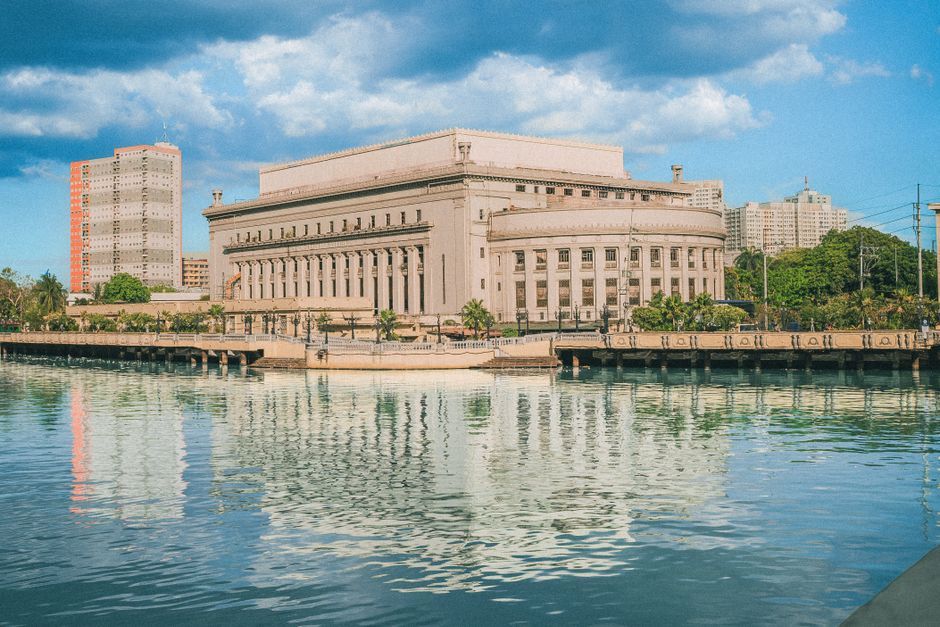
Stock photo for illustration only, not from the actual event
Mark Lapid, chief operating officer of TIEZA, informed lawmakers during a September budget hearing that roughly 95% of the agency's operations are threatened without replacement funding. Crucial projects including water and sewage work in El Nido, Coron, and Baguio, the restoration of Baguio's Burnham Park, and upgrades across 10 domestic airports are currently facing uncertainty.
"A repeal without replacement funding could jeopardize infrastructure, education and heritage programs across the country."
Christina Frasco, Tourism Secretary of the Philippines
Meanwhile, the Philippine Hotel Owners Association has voiced strong opposition to the repeal in its current form, arguing that it would encourage citizens to spend more on trips to destinations like Hong Kong and Vietnam while leaving domestic tourism infrastructure short of necessary financial support.
The debate over repealing the Philippines travel tax highlights the delicate balance between reducing outbound travel costs and maintaining public revenue streams for vital tourism infrastructure. While cheaper overseas trips benefit consumers, the potential lack of funding for regional airports and sanitation projects underscores the need for a comprehensive transition plan to avoid stalling long-term destination development.
Real estate consultancy Leechiu Property Consultants noted that the tax debate has not yet significantly altered hotel investment decisions, emphasizing that infrastructure access remains the primary driver. Boracay currently features 3,678 rooms across 14 projects in its pipeline, while Baguio's hotel pipeline has surged 78% over two years to reach 1,454 rooms following highway and transport upgrades.
Source: Skift
Found something wrong in this article? Report an issue with this article
Comments
Leave a Comment