

Northern Ireland launches new strategy to restore biodiversity
Northern Ireland's agriculture and environment minister launched the Nature Recovery Strategy on Oct 27, 2026, to tackle degraded habitats and declining wildlife.

Stock photo for illustration only, not from the actual event
- Northern Ireland launched a comprehensive Nature Recovery Strategy
- About 40% of plants and animals in protected sites miss favorable standards
- Only 1 out of 49 priority habitat types remains in healthy condition
- The Office for Environmental Protection is investigating site management
A fresh strategic plan aimed at restoring and boosting nature protection across Northern Ireland was officially unveiled by the agriculture and environment minister. Official figures indicate that roughly 40% of plants and animals located within protected zones fail to meet the required benchmark for favorable environmental conditions.
Furthermore, out of 49 distinct priority habitat types—ranging from ancient native woodlands and blanket bogs to species-rich grasslands—only a single category retains a favorable status. The newly introduced Nature Recovery Strategy establishes a long-term, science-driven framework designed to combat biodiversity loss and actively repair damaged ecosystems.
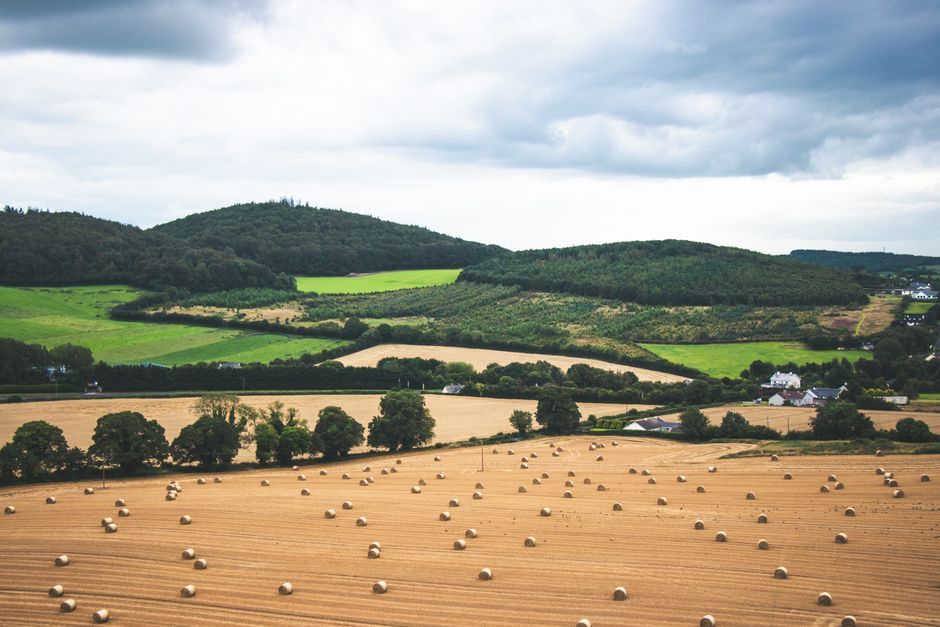
Stock photo for illustration only, not from the actual event
Andrew Muir, the agriculture and environment minister, acknowledged that financial investment will be vital to overcome these hurdles. He emphasized that nature must be placed back at the center of all operations because human flourishing depends directly on thriving natural ecosystems.
"We must protect what remains, restore what has been damaged and create new habitats at scale."
Andrew Muir
While numerous locations across the region sustain rare or threatened species and have been legally designated for better management, the Office for Environmental Protection discovered that insufficient sites are receiving designations, and existing ones are deteriorating. The percentage of sites in favorable condition slumped from 61.7% in 2008 down to 51.5% in 2024, prompting an ongoing official investigation into departmental management.
Northern Ireland's latest conservation framework highlights a widespread global hurdle where policy frameworks often struggle to match the speed of ecological decline on the ground. The intervention by an independent environmental watchdog underscores the critical need for administrative accountability, ensuring that governments back up strategic declarations with tangible funding and rigorous enforcement mechanisms.
The 2023 State of Nature Report previously classified Northern Ireland as one of the most nature-depleted regions globally, revealing that 12% of local species face extinction risks alongside a 14% drop in flowering plants since 1970. Heather McLachlan, the National Trust's Northern Ireland director, stressed the urgency of identifying true priorities, while Joanne Sherwood, director of RSPB NI, noted that the strategy outlines a crucial path forward for declining species.
Source: BBC Science & Environment
Found something wrong in this article? Report an issue with this article
Comments
Leave a Comment