

Otter Portable Newborn Warmer Wins Seoul Design Award 2026
Meet Otter, a portable newborn warmer developed by Design that Matters and MTTS, which won the Grand Prize at the 2026 Seoul Design Award.

Stock photo for illustration only, not from the actual event
- Otter wins the 2026 Seoul Design Award Grand Prize
- Engineered for hospitals with unreliable power grids
- Features an integrated, heat-conducting polycarbonate bassinet
- Tested in clinical settings in Zambia with low-birthweight infants
Providing essential neonatal care in rural clinics and low-resource medical facilities often faces severe hurdles due to frequent power outages and a lack of specialized maintenance support. Addressing these harsh realities, US-based nonprofit Design that Matters and Vietnamese medical device manufacturer MTTS have created Otter, a portable newborn warmer that recently earned the Grand Prize at the 2026 Seoul Design Award.
The portable warming device is specifically engineered to prevent and treat neonatal hypothermia in environments prone to electrical instability. The design is the result of eight years of extensive field research, expert interviews, and product evaluations conducted across Africa and Southeast Asia. Premature and low-birthweight infants face the highest vulnerability to rapid body heat loss, making reliable supplemental warming critical during hospital transfers and examinations.
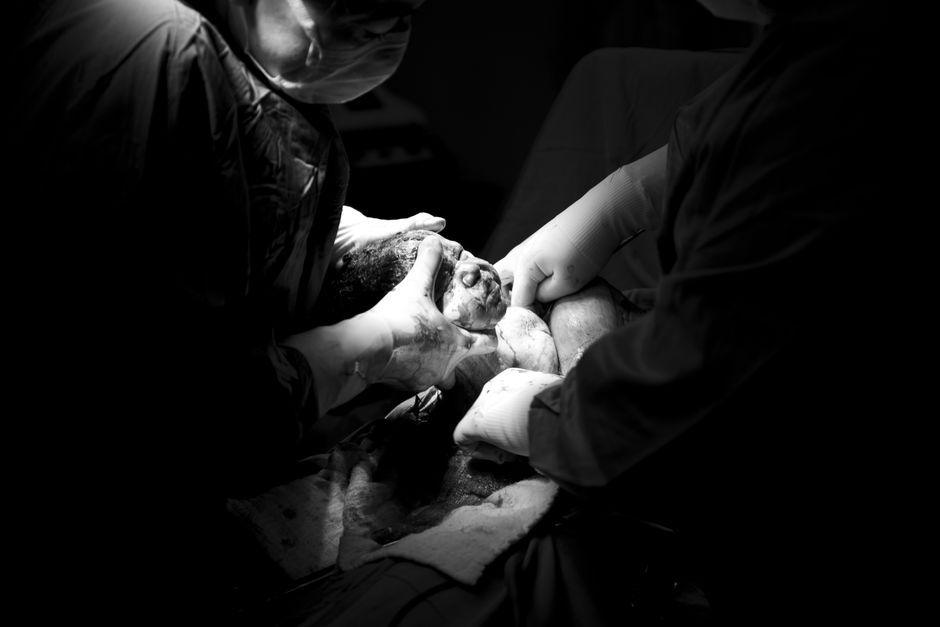
Stock photo for illustration only, not from the actual event
A core engineering decision by the developers was to replace traditional removable water or gel mattresses with a seamless, integrated polycarbonate bassinet that conducts heat efficiently. This continuous surface eliminates seams, fabric layers, and gaps, making it significantly easier for clinical staff to clean and disinfect between patients. Furthermore, it prevents direct contact between the infant and heating elements, minimizing burn risks while reducing reliance on consumable replacement parts.
The development of Otter highlights the profound impact of context-driven design in global health engineering. By removing high-maintenance consumables and vulnerability points like fluid-filled bladders, the creators delivered a robust medical tool tailored to environments where technical support is scarce, proving that effective innovation often lies in simplification rather than added complexity.
Weighing only 3.6 kg, Otter is built to be carried effortlessly between clinical departments without interrupting thermal care. Its built-in battery automatically engages during power cuts and patient transport, providing more than two hours of backup operation at an ambient temperature of 15°C. The intuitive touchscreen interface presents essential data including temperature, status, and estimated battery life, complemented by safety alarms.
"Otter rethinks newborn warming through an integrated, heat-conducting polycarbonate bassinet, a built-in battery, and an intuitive touchscreen interface."
Design that Matters and MTTS
Practical implementation is already underway. Since May 2025, five Otter units have been deployed at Kapiri District Hospital in Zambia as part of an ongoing evaluation study. The devices have successfully maintained thermal stability for fragile infants—including one weighing as little as 840 grams—during inter-departmental transfers and amid documented grid failures lasting between seven and eleven hours.
While ongoing studies continue to evaluate long-term staff acceptance and integration into daily clinical workflows, initial findings underscore the vital role of resilient medical design in challenging healthcare environments.
Source: designboom
Found something wrong in this article? Report an issue with this article
Comments
Leave a Comment