

Doctors Took a Look at Man's Painful Shoulder—They Found the Joint Was Missing
A bizarre medical case of severe shoulder pain reveals a missing joint, linking back to the history of Milwaukee Shoulder Syndrome.
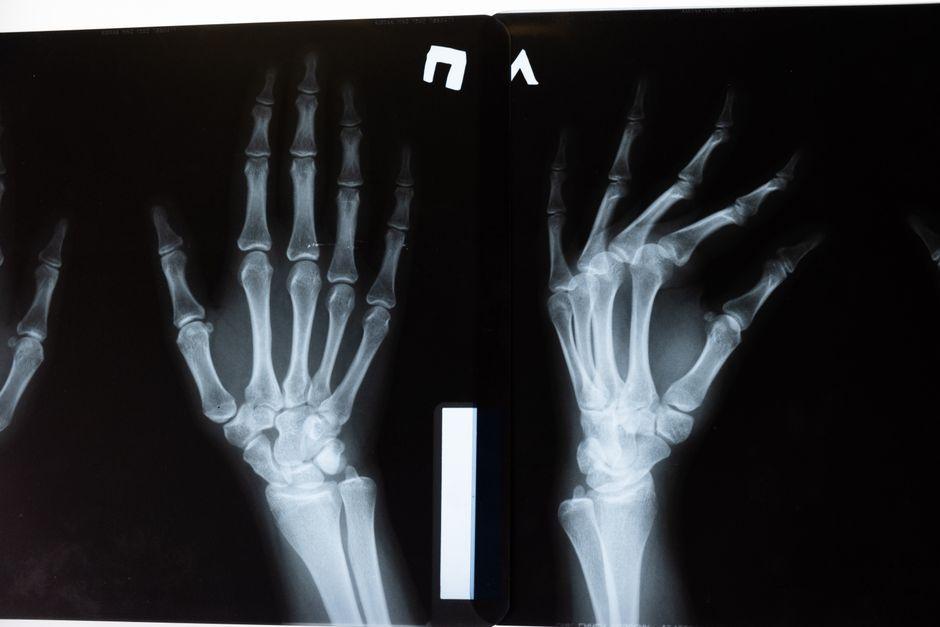
Stock photo for illustration only, not from the actual event
- Doctors examined a male patient suffering from severe shoulder pain.
- Imaging revealed the shocking discovery that his shoulder joint was entirely missing.
- The medical term for this condition was coined back in 1981.
- The naming of the syndrome originated from documented cases in four women.
In the realm of medicine, peculiar cases frequently challenge practitioners and push the boundaries of clinical diagnostics. Recently, medical professionals encountered an astonishing scenario when investigating a man's debilitating shoulder pain, only to discover a structural anomaly so severe that the joint itself was completely gone, leaving both doctors and researchers stunned by the extent of the deterioration.
Such severe joint degradation often points toward rare and destructive arthropathies, echoing medical conditions like Milwaukee shoulder syndrome, a destructive shoulder arthropathy typically seen in older adults. This condition aggressively targets the rotator cuff and surrounding joint structures, leading to massive tissue destruction and the eventual erosion of bone and cartilage over time.

Stock photo for illustration only, not from the actual event
Milwaukee Shoulder Syndrome is a unique and aggressive arthropathy characterized by rapid joint destruction, frequently linked to the accumulation of basic calcium phosphate crystals and enzymatic damage. Cases where joints appear severely degraded or missing highlight the silent yet devastating progression of chronic inflammatory conditions that can erode skeletal structures before patients seek advanced intervention.
Tracing the history of this medical terminology, the specific designation known as Milwaukee shoulder syndrome was officially established in 1981. Rather than being named after an individual physician or researcher, the moniker was derived directly from the initial cohort of patients studied, which comprised four women exhibiting these distinct and severe joint abnormalities.
Source: Ars Technica
Found something wrong in this article? Report an issue with this article
Comments
Leave a Comment