

UK Budget 2026: Energy bills, wages and bank taxes
UK government's upcoming Budget set to scrap fixed gas standing charges, help first-time buyers, and raise bank taxes amid 3.5% inflation.

Stock photo for illustration only, not from the actual event
- Household energy bills face their biggest rise in four years, jumping by £276 annually in January.
- Fixed gas standing charges to be scrapped for approximately 23 million homes.
- Your First Home scheme launched to help first-time buyers in England with a 2.5% deposit.
- Banking sector expected to face higher taxes to fund cost-of-living support measures.
The UK government, led by the chancellor alongside Prime Minister Andy Burnham, is preparing to unveil key economic measures in the upcoming Budget to provide households with breathing space amid the ongoing high cost of living. The comprehensive policy package includes targeted energy bill overhauls and housing support. The speech, scheduled to last about an hour, will be broadcast live on BBC iPlayer and the BBC News website, though ministers have maintained a tightly run ship to prevent leaks.
Among the most pressing concerns for citizens is the household energy outlook. Typical annual energy bills are forecast to experience their steepest rise in four years, climbing by £276 in January. To counteract this burden, the chancellor announced that fixed daily standing charges for household gas—averaging £108 a year—will be removed for about 23 million homes. Energy regulator Ofgem aims to implement this removal by 2027 or as soon as possible thereafter.
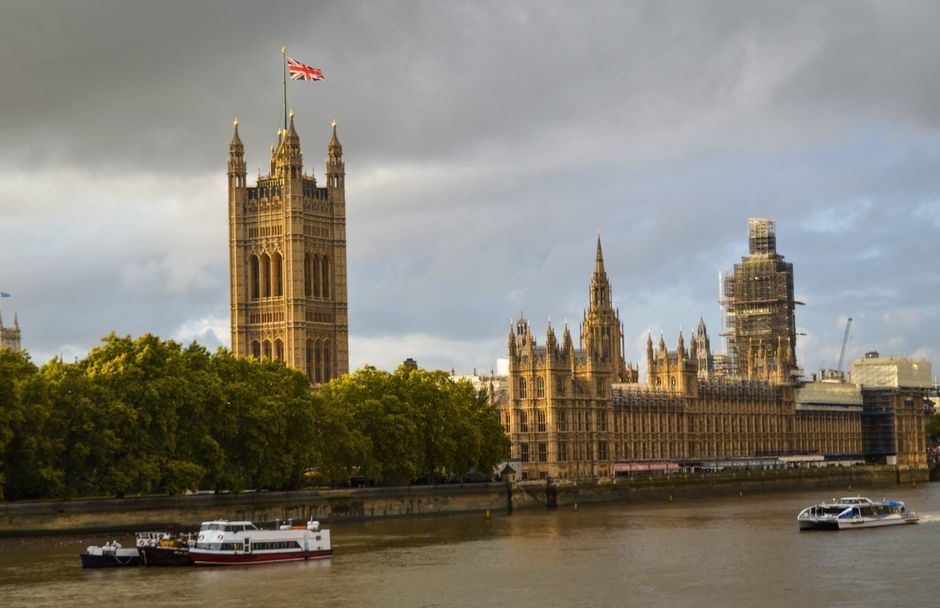
Stock photo for illustration only, not from the actual event
However, this reduction will be counterbalanced by higher unit costs for gas. The Treasury estimates that three-fifths of households will achieve an average saving of £45 a year, with lower users saving more while heavier users face larger bills. Additionally, the government plans to remove tariffs from 100 food items, saving households up to £21 annually, while fuel duty will remain frozen alongside the 5p cut introduced in 2022.
In the housing sector, the Budget will provide further details on Burnham's Your First Home scheme, designed to assist first-time buyers in England. The initiative enables buyers to purchase new-build properties with a modest 2.5% deposit, supplemented by a government loan worth 20% of the property's value. Eligible buyers must have combined income thresholds of £110,000 outside London and £140,000 within the capital.
This upcoming fiscal package illustrates the government's delicate balancing act: attempting to cushion households from inflationary pressures—with inflation having hit 3.5% in September—while securing revenues through targeted levies on banks and online retail platforms to fund public relief and high street tax cuts.
Minimum wage increases will also feature in the announcement, though workers aged 18 to 20 are set to receive smaller increases compared to previous years. Meanwhile, pensioners relying solely on the state pension are expected to be shielded from income tax through a new personal allowance, even as the full state pension rises above the current £12,570 threshold to £13,036.40, which would otherwise pull one million people into taxation.
Bank executives anticipate higher tax burdens as the chancellor looks for easy revenue targets to fund household support, potentially reversing a previous Conservative cut to the profit surcharge and raising balance sheet levies. Furthermore, online retail giants like Amazon and eBay are expected to become responsible for collecting taxes on behalf of platform traders, allowing the government to raise business rates thresholds for high street shops and cut unnecessary paperwork for British businesses.
Source: BBC Politics
Found something wrong in this article? Report an issue with this article
Comments
Leave a Comment