

UK Budget: Energy Payments, Minimum Wage and Taxes
UK government announces cost-of-living relief, including a 100 pound energy payment for council tax bands A to D, VAT extensions and wage hikes.

Stock photo for illustration only, not from the actual event
- Homes in council tax bands A-D in England get a 100 pound payment in January
- Gas standing charges to be scrapped and shifted onto unit energy prices
- National minimum wage rises by 3.9% with over-21s receiving 13.21 pounds an hour
- Fuel duty 5p cut and electricity VAT reduction extended until July
The UK government has unveiled a new budget package aimed at easing cost-of-living pressures as prices rise faster than anticipated, with annual energy bills expected to climb by hundreds of pounds in January. The financial relief measures are funded through additional taxes levied on banks.
Households residing in properties within council tax bands A to D in England will receive a one-off 100 pound "Household Energy Payment" starting in January, which will be paid directly into their bank accounts. Although designated to help with soaring utility bills, recipients are free to spend the funds on anything they wish.
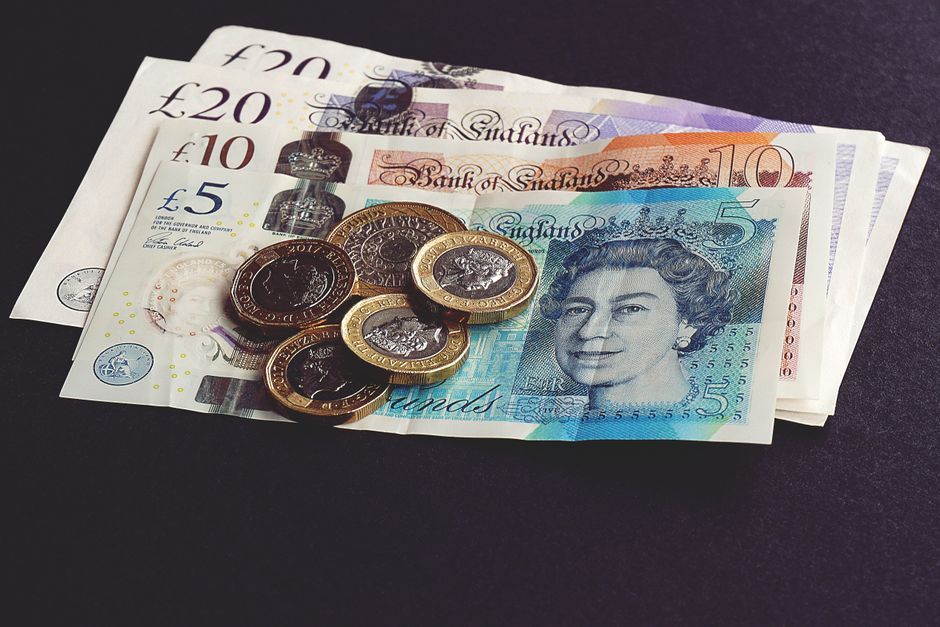
Stock photo for illustration only, not from the actual event
Regarding gas connection fees, known as standing charges, the government plans to scrap these fixed daily charges in England, Scotland, and Wales next year or as soon as possible. These costs will instead be shifted onto the unit price of energy. The Treasury calculates that 60% of households will save an average of 45 pounds a year, with lower-energy users benefiting the most.
Other energy measures include extending the temporary VAT cut on electricity bills from April through to July. Additionally, the 5p temporary cut on petrol and diesel fuel duty will also be extended to July, keeping the levy at 52.95p per litre amidst surging motor fuel prices driven by ongoing impacts from the conflict involving Iran.
This budget announcement highlights the UK government's delicate balancing act between protecting household finances and raising state revenue through banking taxes and adjustments for high savers. While analysis from the Office for Budget Responsibility warns of potential long-term pressures on private renting, the administration remains heavily focused on direct cash transfers and wage floors for vulnerable citizens.
In savings policy, the government has scrapped previous plans to reduce the annual tax-free cash Isa allowance to 12,000 pounds for under-65s starting in 2027, opting instead to introduce a new "Starter Isa" for novice investors. However, individuals holding substantial savings or failing to utilize their tax allowances will face higher tax rates rising by four percentage points to 24% and 44% respectively from April.

Stock photo for illustration only, not from the actual event
Minimum wage rates are set to increase by 3.9% in April, resulting in the following adjustments:
- Eligible workers aged 21 and over on the National Living Wage will receive 13.21 pounds an hour, up from 12.71 pounds
- Workers aged 18, 19, or 20 will see the minimum wage increase to 11.27 pounds an hour, up from 10.85 pounds
- Those aged 16 or 17 will receive 8.31 pounds an hour, up from 8 pounds
- The separate apprentice rate will also increase to 8.31 pounds an hour
Furthermore, the state pension will increase by 3.9% in line with the triple lock policy. The flat-rate state pension for those reaching pension age after April 2016 will rise to 250.70 pounds a week, or 13,036.40 pounds annually. The government has also reaffirmed commitments to exempt individuals whose sole income derives from the state pension from income tax until at least 2030 through a new Pension Tax Allowance.
Source: BBC Business
Found something wrong in this article? Report an issue with this article
Comments
Leave a Comment