

UK Budget 2026: John Healey buys time but leaves big questions
John Healey unveils a cautious UK budget pushing the tax burden to a record 38.6% while wrestling with debt, inflation, and Middle East conflict fallout.

Stock photo for illustration only, not from the actual event
- UK tax burden rises to a historic high of 38.6%
- Household real incomes expected to remain subdued for two years
- Borrowing costs surge by £14bn over the past year due to inflation
John Healey's latest budget presentation for the UK marked a course-correction rather than a radical new path, reflecting how heavily financial fallout from the Middle East conflict has weighed on households, businesses, and government finances alike.
Official forecasters highlighted that while earnings are projected to rise, the increase fails to fully compensate for escalating prices and higher taxes. Consequently, inflation- and tax-adjusted household incomes over the next two years are set to lag behind levels seen at the start of the parliament.
Tax policies have further compounded the pressure. The continuation of freezing income tax thresholds—known as fiscal drag—has quietly scooped up more revenue from pay packets, driving the overall tax burden to a new historic peak of 38.6% of national income.
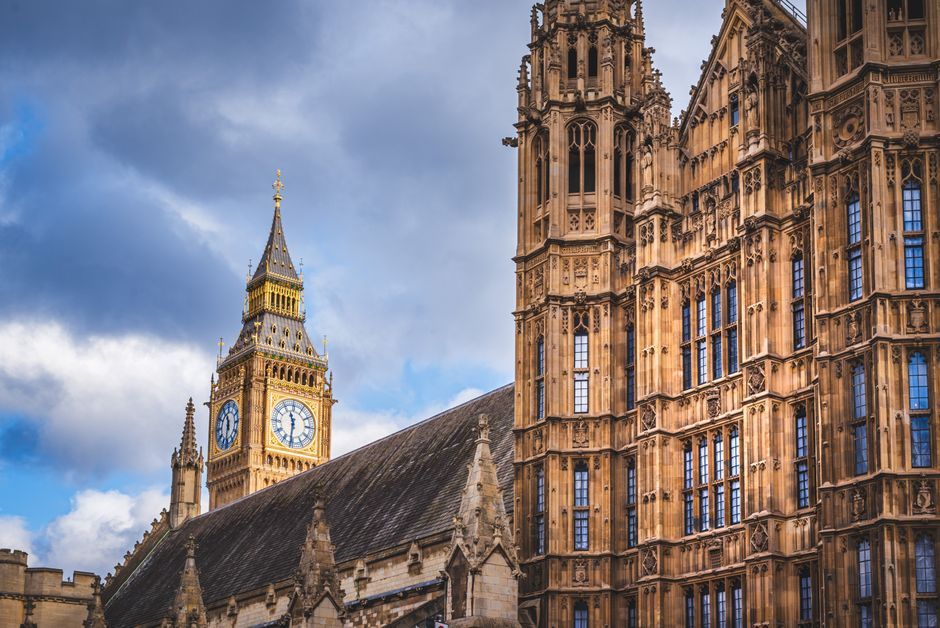
Stock photo for illustration only, not from the actual event
Opting for what critics termed a safe and cautious budget was a calculated move to reassure financial markets and prevent debt interest repayments from spiraling further, especially with volatile energy prices threatening to deplete fiscal safety margins.
Yet, this breathing space has merely postponed critical decisions regarding public services.

Stock photo for illustration only, not from the actual event
Prioritizing areas like health and defense could leave unprotected sectors such as justice and higher education trailing behind inflation after 2028.
Meanwhile, housing targets have suffered a significant blow, with official estimates showing that 190,000 fewer homes will be built by 2032 due to regulatory hurdles and inflated costs. The Chancellor must now rely heavily on external economic improvements to turbo-boost future prosperity.
Source: BBC Business
Found something wrong in this article? Report an issue with this article
Comments
Leave a Comment