

UK £100 Energy Payment: Who Qualifies and When It Arrives
The UK government announces a £100 winter energy payment for households in council tax bands A to D, starting in January 2027.

Stock photo for illustration only, not from the actual event
- Around 20 million households in England will receive a £100 energy bill support payment.
- The scheme is strictly restricted to properties within council tax bands A to D.
- Funds will be paid directly into bank accounts starting from early January 2027.
- The initiative is funded by raising the bank corporation tax surcharge from 3% to 6%.
Chancellor John Healey has announced a £100 payment to assist households across England with their winter energy bills, aiming to ease financial pressures as living costs remain a major concern. Up to 20 million households are expected to benefit from this targeted financial support introduced as part of the recent Budget rollout.
While the £100 support represents a significant sum for many individuals, analysts at Cornwall Insight have highlighted that typical yearly energy bills are projected to jump by £276 in January. Some newer forecasts even suggest annual bills could rise by roughly £400 to reach £2,100, meaning the government payment would cover only a fraction of the overall increase in household energy expenses.
Eligibility for the payment is restricted to residents living in properties classified under council tax bands A to D in England. Householders can verify their specific council tax band by checking their paper billing statements or utilizing the government's online postcode checker. Furthermore, the Chancellor noted that funding will be distributed to Scotland, Wales, and Northern Ireland so they can implement equivalent schemes, with the Welsh government already confirming a matching £100 cost-of-living payment for bands A to D.
Utilizing existing council tax band frameworks is a common mechanism for governments to distribute rapid financial support, though it often leaves out those who fall outside traditional property classifications. Funding such welfare policies through targeted corporate tax hikes on banks represents a deliberate effort to redistribute windfall profits toward household energy relief during times of market volatility.
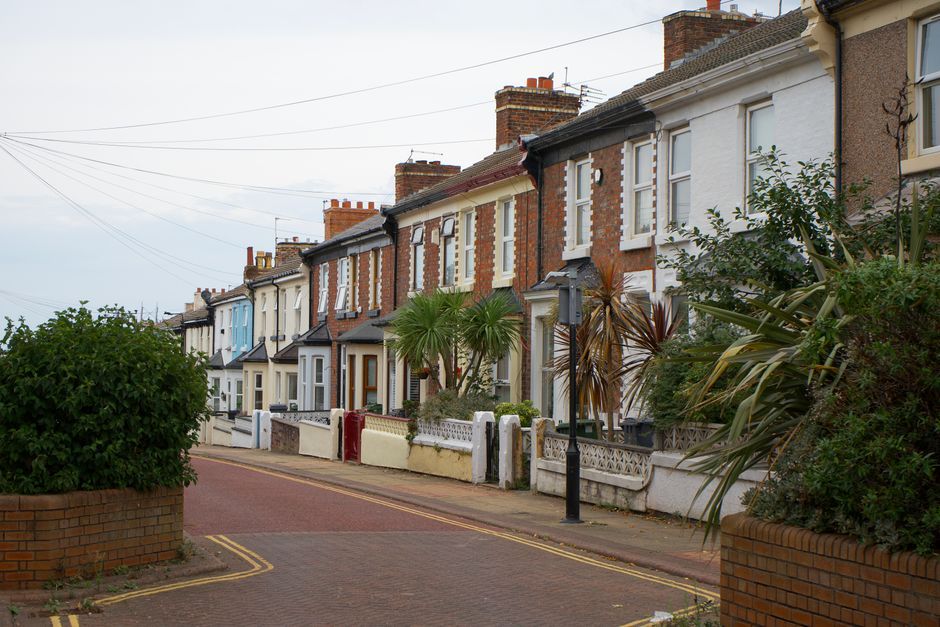
Stock photo for illustration only, not from the actual event
For households that pay their council tax via direct debit, the money will be deposited automatically into the corresponding bank account starting in early January. University students residing in halls of residence will not qualify because student halls do not fall under council tax bands A to D. However, students living off-campus in private rental properties rated within bands A to D will indeed be eligible for the payment.
Because students do not pay council tax directly, local authorities will be tasked with determining alternative distribution methods for them and for residents who pay via cash or other exemptions. The government intends to issue guidance to local councils regarding these alternative payouts. Although the support is intended for energy bills, the cash will land directly in bank accounts, leaving recipients free to allocate the funds as they choose.
The funding for this £100 cash transfer is generated through an increase in the banking sector's corporation tax surcharge. Specifically, the surcharge will rise from 3% to 6% over a 15-month period running from January 1, 2027, through March 31, 2028, securing the revenue needed for the winter support package.
Source: BBC Business
Found something wrong in this article? Report an issue with this article
Comments
Leave a Comment