

Healey unveils £100 energy bills help in first Budget
UK Chancellor John Healey announced his first Budget, offering £100 for energy bills in council tax bands A-D, funded by higher bank profits tax.

Stock photo for illustration only, not from the actual event
- John Healey unveils his first Budget featuring a £100 energy payment
- Funded by raising large bank profit taxes from 3% to 6%
- Scrapping gas standing charges during 2027 and extending fuel duty cut
- Raising minimum wage by 3.9% while scrapping the planned Cash ISA cut
UK Chancellor John Healey delivered his inaugural Budget speech to a packed House of Commons on October 28, 2026, unveiling a series of measures aimed at easing the ongoing cost of living crisis, cheered on by Prime Minister Andy Burnham and frontbench colleagues during the hour-long address.
Among the primary relief measures is a one-off £100 energy payment directed at households residing in council tax bands A to D across England. The Welsh government has confirmed it will match the payment, while Scottish authorities plan to replicate the scheme. Furthermore, Healey announced that gas standing charges across England, Scotland, and Wales will be abolished during 2027 or as soon as feasible, shifting these fixed daily fees onto per-unit energy prices, meaning higher energy consumers will face increased bills.
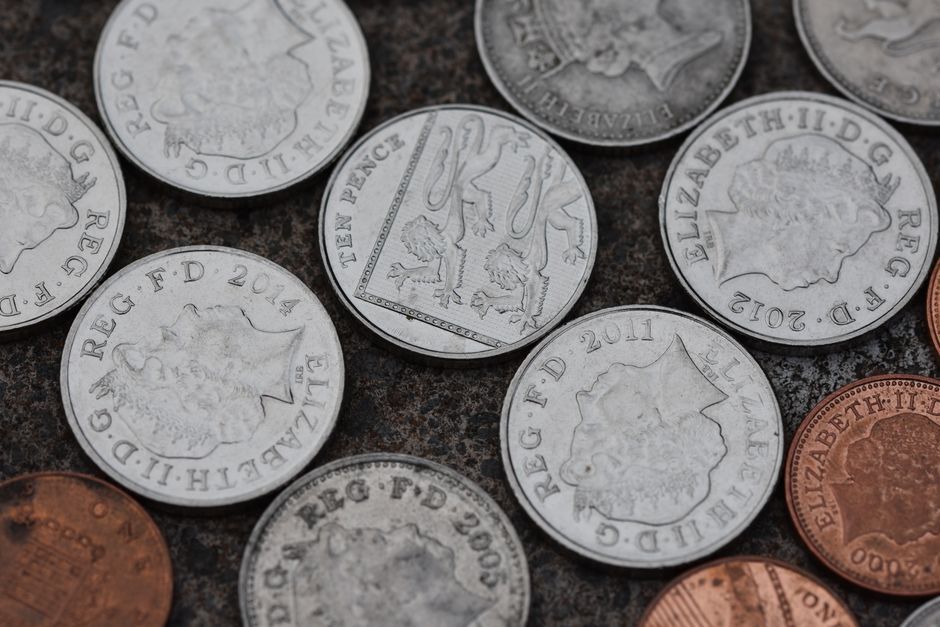
Stock photo for illustration only, not from the actual event
To support businesses and high streets, the temporary 5p reduction in fuel duty for both petrol and diesel has been extended until July. Additionally, minimum wage rates are scheduled to rise by 3.9% starting in April. High street shops in England will also see the threshold at which they begin paying business rates increased from £12,000 to £18,000, although vape shops and adult gaming centres are excluded from this relief.
To help finance these initiatives, Healey increased the profit tax on major banks from 3% to 6%, effective from January next year until April 2028, alongside higher levies on high-stakes gambling machines. Income tax thresholds will remain frozen, and taxes on income derived from savings and property rentals will rise to 24% for basic rate taxpayers from April 2027, following a previous postponement. However, the reduction of the Cash ISA allowance from £20,000 to £12,000 annually, introduced previously by Rachel Reeves, has been scrapped entirely.
The introduction of the Labour government's first Budget under John Healey highlights the delicate balancing act between supporting vulnerable citizens through economic pressures and managing tight public finances, especially with growing national debt and forthcoming defense reviews. Independent forecasters like the Office for Budget Responsibility have downgraded next year's growth forecast to 1%, underscoring the structural challenges facing the UK economy.
"Scrapping standing charges on gas and a £100 energy payment for households in council tax bands, A to D, whilst welcome, will not touch the sides, when many forecasts show bills set to jump over £400 in January."
Sharon Graham, Unite General Secretary
The Budget drew mixed reactions from various political and economic figures. Helen Miller, director of the Institute for Fiscal Studies, remarked that the fiscal plan contained numerous fiddly measures but lacked growth-boosting catalysts. Meanwhile, left-wing critics such as Unite general secretary Sharon Graham dismissed the living cost provisions as baby steps, and Green Party leader Zack Polanski argued the Budget failed young people and the environment.
Source: BBC Politics
Found something wrong in this article? Report an issue with this article
Comments
Leave a Comment