

UK economy faces Middle East energy shock, says OBR
The Office for Budget Responsibility forecasts slower UK growth, inflation peaking at 3.8% in 2027, and interest rates potentially rising to 4.5%.

Stock photo for illustration only, not from the actual event
- OBR cuts next year's growth forecast sharply from 1.6% to 1%
- Inflation expected to remain higher for longer, peaking at 3.8% in 2027
- Interest rates predicted to potentially rise as high as 4.5%
- Soaring energy bills and fuel costs squeeze household living standards
The UK economy is feeling the full force of the conflict in the Middle East through soaring energy prices, according to the latest official forecast from the Office for Budget Responsibility (OBR). While the UK has no direct involvement in the US-Iran war, the resulting energy shock poses the single biggest near-term risk to its economic growth, living standards, and public finances.
Although the OBR slightly raised its growth forecast for the current year, it sharply downgraded its prediction for next year from 1.6% down to 1%. Economic growth is expected to rebound in subsequent years, but rising energy bills filtering through supply chains will drive up consumer prices at a faster pace in the interim.
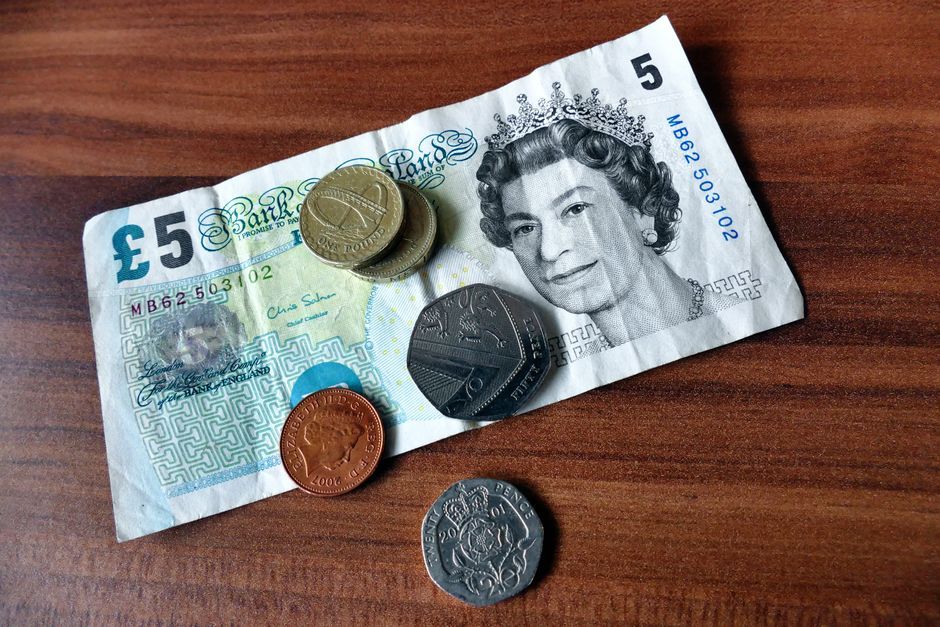
Stock photo for illustration only, not from the actual event
High global oil prices have already hit motorists hard at fuel pumps, with petrol priced at nearly £1.73 per litre on average and diesel nearing £1.99. These elevated expenses ripple across a wide range of goods, including food, as transport costs rise. Consequently, the OBR now forecasts that inflation will peak at 3.8% in 2027 before gradually easing toward the Bank of England's 2% target by the end of the decade.
"Small beer given the surge in inflation we expect over the winter."
Economists at Pantheon Macroeconomics
The bleak inflation outlook is set to suppress living standards next year as household spending power is squeezed by costly energy bills. Lower-income households will bear the heaviest burden since energy costs account for a larger share of their monthly budgets. Meanwhile, the Bank of England is widely expected to raise interest rates from their current 3.75% level, with OBR forecasts suggesting rates could climb as high as 4.5%.
This downward revision by the OBR highlights the vulnerability of national economies to external geopolitical shocks, particularly regarding energy commodities. When oil and gas prices spike, the inflationary pressure cascades through transportation, manufacturing, and public expenditure, forcing central banks to tighten monetary policy even as domestic growth slows down. This creates a challenging balancing act for policymakers trying to protect household purchasing power while maintaining macroeconomic stability.
Higher interest rates will also increase the government's debt interest repayments, driving up overall public borrowing beyond previous estimates alongside increased welfare and pension spending tied to inflation. However, the OBR emphasized that significant uncertainty remains regarding these projections due to the fluid situation in the Middle East and its potential future trajectory.
Source: BBC Business
Found something wrong in this article? Report an issue with this article
Comments
Leave a Comment