

DUP blocks Michelle O'Neill from Glasgow economic summit
Northern Ireland's First Minister Michelle O'Neill has been blocked by the DUP from attending the National Economic Council in Glasgow.

Stock photo for illustration only, not from the actual event
- DUP blocks Northern Ireland First Minister Michelle O'Neill from Glasgow economic summit
- The decision follows unionist anger over Sinn Féin's role in the Portadown protests
- Deputy First Minister Emma Little-Pengelly will also not participate in joint engagements
- DUP leader Gavin Robinson defends the move as a democratic decision by party officers
Northern Ireland's First Minister Michelle O'Neill has been blocked by the Democratic Unionist Party (DUP) from attending a national economic summit in Glasgow, Scotland. The high-profile National Economic Council, convened by Prime Minister Andy Burnham over the summer, aims to foster greater collaboration across nations and regions, with Friday's meeting set to bring together devolved leaders.
The Sinn Féin vice-president and Deputy First Minister Emma Little-Pengelly were both invited to participate in the Glasgow gathering. However, DUP leader Gavin Robinson confirmed that his party colleague Little-Pengelly will not take part in joint engagements with O'Neill, and permission has been withheld for the first minister to operate on a solo basis. The political maneuver stems from intense unionist backlash regarding Sinn Féin's involvement in protests that blocked a controversial Orange Order march from traversing the predominantly nationalist Garvaghy Road in Portadown.
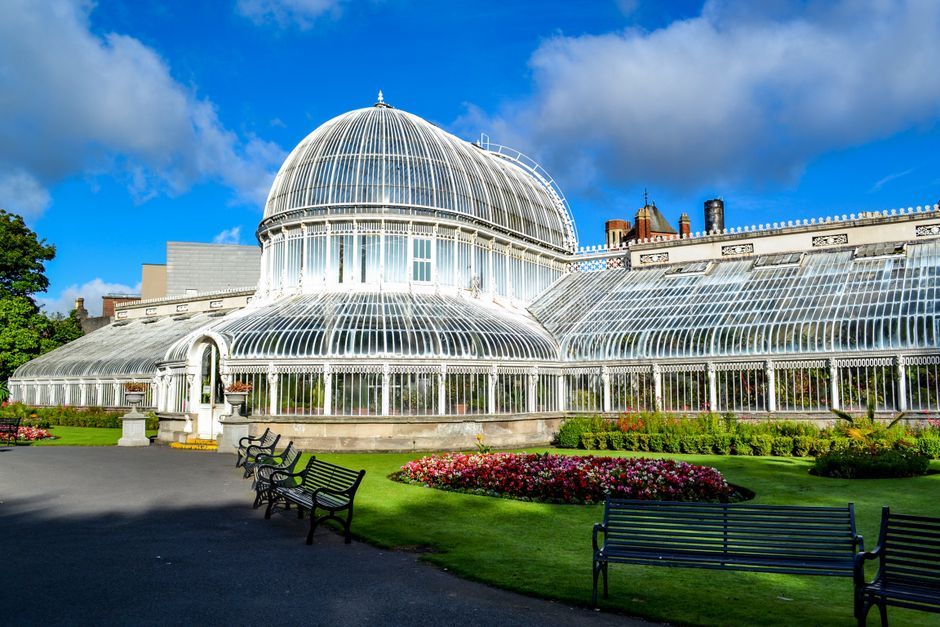
Stock photo for illustration only, not from the actual event
The DUP's ruling officer committee convened for a meeting on Thursday morning to deliberate actions against Sinn Féin following last month's unnotified demonstrations in Portadown, an event that has led police to interview O'Neill and other senior party figures. While unionists accused Sinn Féin of unlawful behavior, the party's deputy leader defended her actions, insisting it was the right course of action.
Context and Analysis: This political standoff highlights the fragile nature of Northern Ireland's power-sharing administration, where historical and cultural flashpoints like the Drumcree dispute can immediately paralyze cross-community governance. DUP's refusal to engage in joint national platforms underscores deep internal and external pressures faced by unionist leadership to respond aggressively to nationalist actions.
Internal pressures within the DUP have intensified as rival unionists and some party members challenge leadership handling of the crisis. Last week, Upper Bann MP Carla Lockhart resigned from the party's ruling officer board in opposition to leader Gavin Robinson's strategy, arguing that Little-Pengelly should have been withdrawn to force O'Neill out of their joint Stormont office. Other prominent figures, including former MP Lord McCrea and Mid Ulster councillor Clement Cuthbertson, have also voiced support for Lockhart's stance.
"We have considered all options and we keep all options on the table."
Gavin Robinson
Appearing on the BBC's The View programme, Robinson maintained that the party reached a democratic decision on managing the Drumcree fallout, questioning the logic of penalizing the wider public in Northern Ireland rather than focusing on those who broke the law. Meanwhile, O'Neill stated she would return to the Assembly alongside her party colleagues to continue serving the public.
Source: BBC Politics
Found something wrong in this article? Report an issue with this article
Comments
Leave a Comment