

Garmin Health 2026: Expanding Wearables into Patient Care
Garmin highlights its Bangkok event vision, expanding wearables into remote patient monitoring, personalized medicine, and global research while launching the Cirqa screenless smart band.

Stock photo for illustration only, not from the actual event
- Garmin Health scales B2B ecosystem for medical and research applications
- Asia-Pacific grows rapidly, with Thailand positioned as a key regional market
- Cirqa launched as Garmin's first screenless smart band with 10-day battery life
Smartwatches and fitness trackers were once primarily used to count steps, monitor heart rates, or track sleep quality. However, the vision presented by Garmin Health at the Garmin Health Media Event 2026 in Bangkok highlights a broader role for wearables as continuous data sources for healthcare, clinical research, corporate wellness programs, and remote patient monitoring.
Jörn Watzke, Senior Director of Garmin Health Global Sales, noted that the Asia-Pacific region is critical to this business sector, with Thailand emerging as one of the fastest-growing markets alongside Singapore, South Korea, and Vietnam. Garmin Health's business in Asia grew by over 25% last year, while the active customer base and research projects in APAC increased by more than 50% this year. Globally, Garmin reported revenues of $7.246 billion and shipped over 20 million products in 2025.
The Garmin Health B2B model enables corporate partners to integrate services into the Garmin ecosystem, utilizing wearable data and connection tools to build customized healthcare solutions. Applications range from disease prevention and rehabilitation to insurance, corporate wellness, and workplace safety. A notable example is Orbit Health's Neptune software, which uses high-resolution sensor data from Garmin devices to remotely monitor Parkinson's disease symptoms and treatment responses, holding CE mark certification as a Class IIa Medical Device Software in the EU.
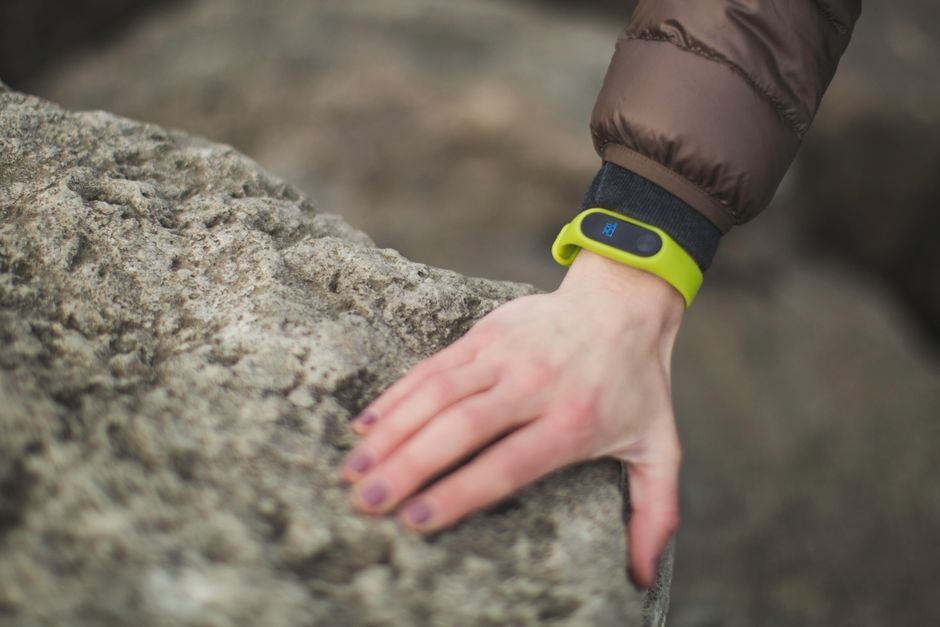
Stock photo for illustration only, not from the actual event
Another application involves Twin Health, which integrates Garmin wearable data with Continuous Glucose Monitors to build individual metabolic models, known as Whole Body Digital Twin. Furthermore, Garmin devices support more than 1,260 research initiatives worldwide, including King's College London's EMBRACE study targeting 20,000 pregnant women globally to mitigate gestational diabetes risks, and the University of Copenhagen's DELPHI project.
"The goal of longevity is not just extending lifespan, but expanding healthspan—the period of life spent in good health."
Jörn Watzke, Senior Director, Garmin Health Global Sales
Longevity was a core theme discussed in Bangkok. Watzke referenced data indicating that walking 10,000 steps five days a week for two years correlates with a 57% lower risk of type 2 diabetes. Nevertheless, researchers emphasize that these statistical correlations do not imply identical risk reductions for every individual or replace professional medical guidance.
Garmin's aggressive push into B2B and remote healthcare illustrates a significant industry shift. Wearable tech manufacturers are moving beyond lifestyle consumer products to establish robust health data infrastructures that bridge patients, hospitals, and researchers, setting new standards for digital health integration globally.
On the consumer front, Garmin unveiled the Cirqa Smart Band, its first screenless smart wristband designed for 24/7 health tracking. It monitors Body Battery, stress, Pulse Ox, women's health, sleep scores, HRV, and skin temperature across more than 80 sports profiles. Offering up to 10 days of battery life, the device syncs data to the Garmin Connect app without requiring a paid subscription.
Source: Techsauce
Found something wrong in this article? Report an issue with this article
Comments
Leave a Comment