

Rome Clarifies Article 152 Debate, Focuses on Censure
Rangsiman Rome clarifies that Article 152 discussions are merely member proposals, while the People's Party emphasizes a no-confidence debate.

Stock photo for illustration only, not from the actual event
- Rangsiman Rome notes Article 152 is currently a member proposal
- No final decision has been made on the parliamentary motion
- The People's Party prioritizes a formal no-confidence debate
- Opposition strategy regarding government scrutiny remains under review
Member of Parliament Rangsiman Rome has addressed recent media reports concerning a general debate under Article 152 of the constitution, clarifying that the matter is currently only a proposal among party members and no final conclusion has been reached.
The issue gained public attention following reports of opposition movements preparing parliamentary mechanisms to examine government performance, which includes Article 152 provisions allowing lawmakers to question the cabinet without holding a confidence vote.
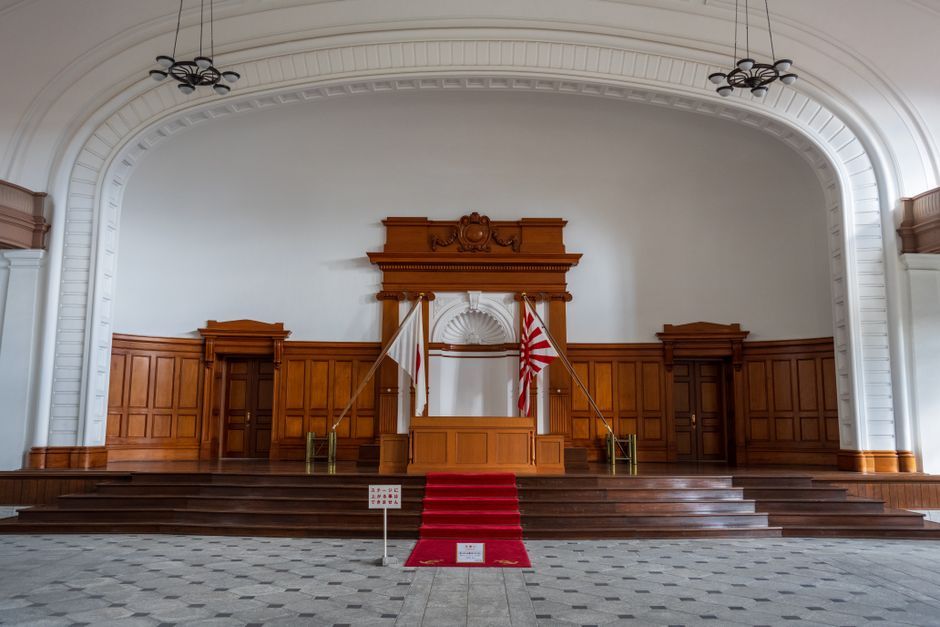
Stock photo for illustration only, not from the actual event
Meanwhile, viewpoints from the People's Party indicated a distinct strategic priority. Kornnaphat shared perspective highlighting that the party places greater emphasis on a general debate aimed at a no-confidence vote rather than pursuing Article 152, considering censure motions as a more direct mechanism for holding the administration accountable.
A general debate under Article 152 of the Thai Constitution serves as a parliamentary tool allowing MPs to question or provide recommendations to the cabinet without resulting in a confidence vote, differing significantly from a censure debate under Article 151 which directly challenges a minister's political standing. This strategic distinction explains the careful deliberation within opposition ranks regarding which parliamentary instrument to deploy.
These statements illustrate the ongoing internal discussions among opposition lawmakers as they evaluate the most effective approach for parliamentary oversight, with final decisions regarding official motions still pending further coordination.
Source: Matichon Politics
Found something wrong in this article? Report an issue with this article
Comments
Leave a Comment